
The Rise of Crowd Forecasting in the Digital Age
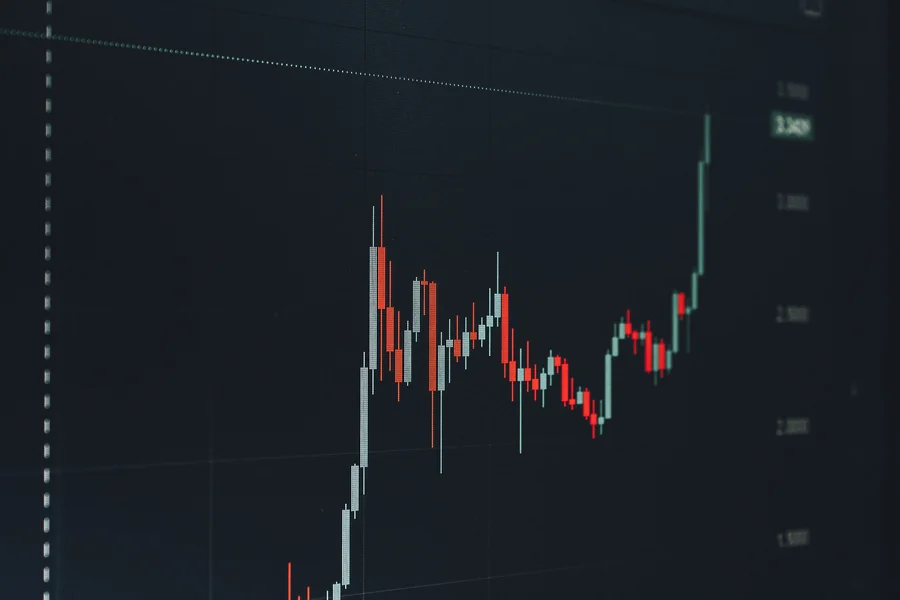
For decades, forecasting was largely left to experts. Economists predicted market movements, political analysts projected election outcomes, and sports commentators made educated guesses about upcoming games. That process now looks very different.
The internet has created an environment where millions of people can contribute their opinions, knowledge and expectations in real time. As a result crowd forecasting has emerged as one of the most fascinating developments in the digital age. Rather than relying on a handful of specialists, modern forecasting platforms gather insights from large groups of participants and transform them into constantly evolving predictions. The concept isn’t entirely new, but technology has made it more accessible, faster and more influential than ever before.
Why crowd forecasting works
Crowd forecasting is built on a simple idea: large groups often make surprisingly accurate predictions when their collective knowledge is combined. Individuals may only possess a small piece of information, but when thousands of people participate, those pieces can create a clearer picture of what might happen next. This approach has been used in everything from financial markets to weather forecasting and public opinion research.
What makes today’s crowd forecasting systems particularly powerful is the speed at which information travels. News breaks instantly, data updates continuously and participants can react within seconds. Instead of waiting for a quarterly report or a new poll, forecasts can shift in real time as new information becomes available. This approach has helped forecasting evolve from a static exercise into an ongoing conversation.
The growth of prediction markets
One of the most visible examples of crowd forecasting is the rise of prediction markets. These platforms allow participants to trade on the likelihood of future events, creating market-driven forecasts that reflect collective expectations.
Topics can range from politics and economics to entertainment and sports. As more users participate, the market price effectively becomes a probability estimate for a given outcome.
The sector has experienced remarkable growth over the past year. In May 2026 alone, global prediction market trading volume reached a record $29.4 billion as retail brokers and institutional market makers increasingly entered the space. The figure highlights how quickly these platforms have moved from niche communities into the broader financial and technology landscape.
That growth is attracting attention from investors, analysts, and technology companies that view forecasting markets as a new source of real-time information.
More than politics and finance
Many people still associate prediction markets primarily with elections or economic events. While those remain popular categories, participation has expanded significantly. Today, crowd forecasting is being used to track a wide range of topics, including:
- Major sporting events
- Entertainment awards
- Cryptocurrency trends
- Economic indicators
- Technology launches
- Cultural and social developments
The appeal lies in the ability to measure expectations rather than simply opinions. Instead of asking what people think might happen, forecasting platforms encourage participants to put confidence behind their predictions. This distinction often produces a different kind of insight, one that many observers believe can complement traditional surveys and expert analysis.
A rapidly expanding user base
The growth of crowd forecasting isn’t only being driven by larger trading volumes. User participation is increasing rapidly as well. During the first quarter of 2026, the number of unique active wallets involved in prediction trading surpassed 1.29 million. The data suggests that participation is broadening beyond early adopters and crypto enthusiasts into a much wider audience.
Interestingly, research indicates that many users are becoming repeat participants rather than occasional visitors. People are returning more frequently, engaging with multiple categories, and incorporating forecasting into their regular consumption of news and events. That behavioral shift may be just as important as the growth in volume. It suggests that crowd forecasting is becoming a habit rather than a novelty.
The technology behind the trend
Several technological developments have helped fuel this expansion. Real-time data feeds, mobile accessibility, blockchain infrastructure, and improved user interfaces have made participation significantly easier than it was even a few years ago. Users can monitor developments, evaluate information, and update their positions from virtually anywhere.
Artificial intelligence is also playing an increasingly important role. Many participants now use AI-powered tools to analyze large amounts of data before making forecasts. Rather than replacing human judgment, these tools often enhance it by helping users process data more efficiently. The result is a forecasting ecosystem that combines human intuition with advanced technology.
What it means for the future
As forecasting platforms continue to grow, they are attracting interest from mainstream audiences looking for new ways to understand complex events.
As forecasting platforms attract a broader audience, many newcomers are looking for reliable information before deciding whether to participate. Covers.com provides guides, platform reviews, and educational resources designed to help users better understand the market. Readers interested
in learning more can also explore this Polymarket promo code offer with eligibility requirements explained, which outlines the platform’s current offer and the conditions attached to it.
While no forecasting method is perfect, crowd forecasting offers a unique perspective on how people collectively interpret information. It provides a constantly updated snapshot of expectations that can complement expert opinions, traditional polling and statistical models.
In a world overflowing with information, understanding what large groups believe is likely to happen next may prove increasingly valuable. As technology continues to connect people and information at unprecedented speed, crowd forecasting appears positioned to play a growing role in how we interpret the future.