
Why Household Trash and Recycling Areas Need More Than an Empty Bin
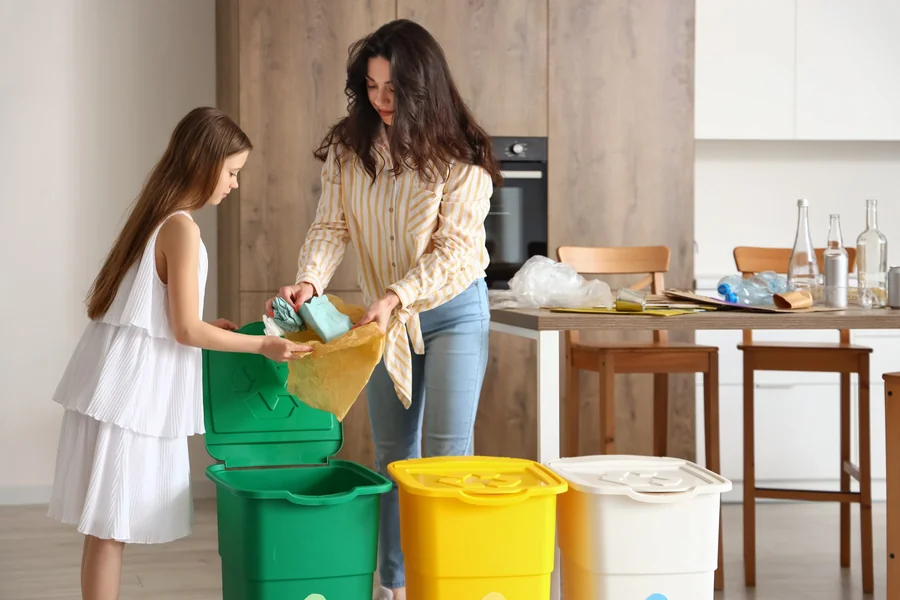
Taking out the trash is one of those household chores that feels finished as soon as the bag is removed and a fresh liner goes in. Yet the space around the bin can remain dirty even when there is no visible rubbish. Small food spills, sticky packaging, liquid leaks, and loose crumbs gradually collect on the container and the surfaces surrounding it. Over time, these deposits can create unpleasant smells and leave cabinets or flooring looking neglected.
Kitchen waste bins are particularly exposed to this kind of buildup because they receive everything from food scraps to damp paper towels and used packaging. Recycling containers present similar problems, especially when bottles, cans, and food containers are discarded without being rinsed. Even bathroom and bedroom bins can develop residue from everyday use.
Regular house cleaning should account for these areas rather than treating waste removal as a separate task. The cleaning process at CJM Cleaning, like a well-planned residential cleaning routine, is relevant to more than the visible kitchen counters and floors. Waste containers, nearby cabinets, and the surfaces beneath them can all require attention when food residue and household dirt accumulate.
Keeping these spaces clean does not require scrubbing every container each day. It starts with recognizing what gets dirty, where residue collects, and how to prevent small messes from becoming recurring problems.
Why Emptying the Trash Does Not Remove the Mess
A rubbish bag provides a barrier between waste and its container, but it does not always prevent contact with the bin itself. Bags can slip below the rim, tear around sharp packaging, or develop small leaks. Food scraps may fall between the liner and the container, while liquids sometimes collect at the bottom without being immediately noticeable.
The exterior of the bin also receives more contact than people realize. Hands touch lids and handles while preparing food, and swing-top containers can develop fingerprints or sticky patches around their openings. Pedal-operated bins reduce the need to touch the lid, but their pedals, hinges, and lower edges still collect dirt from shoes, floor cleaning, and everyday kitchen activity.
These problems become more noticeable when waste containers sit inside cabinets. A pull-out bin may look clean from above while crumbs collect along its sliding mechanism or beneath its frame. When the container is removed, homeowners sometimes discover dried spills or sticky marks that have been hidden for weeks.
Odors can develop when organic residue remains on these surfaces. Replacing the bag removes the main waste, but the smell may persist if food particles or liquids are still present underneath.
This is why cleaning the container itself matters. The goal is to remove residue from both the inside and outside of the bin while checking the surrounding areas that ordinary waste disposal leaves untouched.
Clean the Waste Container Before Dirt Becomes Stubborn
The cleaning method should depend on the material, size, and condition of the container. Most plastic household bins can be washed with warm water and a suitable mild detergent, while metal containers may require more careful drying to prevent water marks or damage to their finishes.
Begin by removing the liner and checking the inside for loose debris. Empty any remaining material into the appropriate waste stream before washing. If there is dried residue at the bottom, allow a little soapy water to soften it instead of immediately scrubbing with an abrasive tool.
A soft sponge or cloth can remove most everyday buildup from the interior walls, bottom, and rim. Pay particular attention to grooves where the liner sits, as these can trap food particles and moisture. Rinse washable containers thoroughly and let them dry before inserting a fresh bag.
Do not overlook lids and opening mechanisms
Lids often need more attention than the container walls because they come into contact with hands, food packaging, and waste during disposal. Fingerprints and residue may gather around the edges, while hinges can collect small particles that are difficult to reach with an ordinary cloth.
For bins with removable lids, follow the manufacturer’s instructions before taking anything apart. Some components can be washed separately, while electronic sensors and powered opening mechanisms should never be soaked. Use a lightly damp cloth on moisture-sensitive areas and avoid directing water into electrical components.
If a bin has a foot pedal, inspect the area around the pedal and base. Floor debris can gather here, particularly when the container stands beside a kitchen counter or under a sink.
Dry the container completely before returning it to its usual place. Putting a new liner into a damp bin can trap moisture and contribute to further odor problems.
The Surrounding Kitchen Area Needs Attention Too
Cleaning the bin solves only part of the problem when the nearby floor, cabinetry, and walls still contain residue. Kitchen waste containers are often positioned in narrow spaces where ordinary mopping or vacuuming cannot reach without moving something.
A freestanding bin may conceal crumbs, grease, and dust around its base. If the container is pushed against a wall, repeated contact can leave scuff marks or sticky patches on the surface behind it. These areas rarely receive attention during a quick kitchen wipe-down because the container blocks the view.
A proper kitchen deep cleaning routine should include checking the accessible space beneath and around waste containers. For instance, CJM Cleaning Montclair is a relevant residential cleaning option when kitchen floors, cabinet exteriors, countertops, and other household surfaces need attention beyond ordinary tidying. Around trash and recycling stations, removing crumbs, wiping food residue, and cleaning exposed floor edges are closely connected tasks that help prevent lingering kitchen grime.
Check cabinets that contain pull-out bins
Pull-out waste systems can be convenient, but they create several places where food particles may collect. Crumbs can fall through gaps around the container, and liquid spills sometimes reach the cabinet base without becoming visible from above.
Remove the bin if its design allows safe removal, then inspect the cabinet floor and accessible sliding tracks. Vacuum loose debris before wiping the surrounding surfaces with a product suitable for the cabinet finish.
Avoid using excessive water on particleboard, unfinished wood, or other materials that can swell when wet. A lightly damp cloth followed by thorough drying is usually more appropriate than soaking the cabinet interior.
If residue has entered difficult-to-reach mechanical components, consult the manufacturer’s care instructions rather than forcing the sliding assembly apart.
Recycling Containers Can Become Surprisingly Dirty
Recycling bins are sometimes assumed to need less cleaning because they mainly contain paper, plastic, glass, and metal. In practice, recyclable packaging often carries traces of food, beverages, or household products.
A bottle with a small amount of juice left inside can leak when placed sideways. Food containers may retain oil or sauce, while cans can drip sticky liquid onto the bottom of the bin. These residues mix with dust and packaging debris, producing a layer of grime that remains even after the recyclable materials are collected.
Removing food residue from containers before recycling can reduce this problem. Follow the requirements of the local recycling program, since accepted materials and preparation rules vary. Generally, emptying containers and removing substantial food waste makes indoor storage cleaner and more manageable.
Paper and cardboard should also be protected from spills. Wet packaging can soften, break apart, and leave fibers stuck to the bottom of the container. Separating clean, dry paper from potentially leaking materials can make the recycling area easier to maintain.
The container itself should be checked regularly for sticky patches, liquid residue, and loose debris. If the bin is washable, clean and dry it as needed. A container used for dry cardboard will probably require less frequent washing than one receiving bottles and food packaging.
A clean recycling station also makes sorting easier. When bins are dry, accessible, and free from old residue, separating materials becomes a routine household habit rather than another messy chore.
Address Persistent Odors Instead of Covering Them Up
An unpleasant smell near the trash does not always mean the bag needs changing. Sometimes the source is residue that has already escaped the container. Food liquids may have reached the floor, soaked into an absorbent mat, or collected beneath the bin.
Before using fragrances or deodorizing products, inspect the area carefully. Remove the liner and look for leaks, particularly around the bottom and lower corners. Check the lid and rim for food particles, then examine the floor and nearby cabinet surfaces.
Cleaning the actual source is generally more useful than masking the smell. Mild detergent and water are suitable for many washable surfaces, provided they are used according to the material’s care requirements. For surfaces that require disinfection, use a compatible product according to its label, including any required contact time. Never mix cleaning chemicals.
If the odor returns shortly after cleaning, there may be a separate problem. A nearby drain, concealed food spill, or damp cabinet material can produce smells that appear to come from the waste container.
Watch for moisture that keeps returning
Repeated dampness deserves attention because it can damage cabinetry and create conditions that encourage microbial growth. An occasional leaked bag is different from a cabinet base that remains wet despite being cleaned.
Inspect plumbing connections if the waste container is stored beneath the kitchen sink. Water from a slow pipe leak may collect near the bin and be mistaken for spilled rubbish.
If a cabinet is swollen, has a persistent musty smell, or shows signs of ongoing moisture damage, the underlying problem should be addressed before cosmetic cleaning continues. Damaged porous materials may require repair or replacement.
Professional residential cleaning can address ordinary surface grime, but it cannot correct a plumbing leak or restore structurally damaged cabinetry. Recognizing that distinction prevents homeowners from repeatedly cleaning an area that needs maintenance.
Build Waste-Area Cleaning Into Your Normal Household Routine
Trash and recycling areas are easier to maintain when small cleaning tasks are linked to activities that already happen in the home. Emptying the bin provides a natural opportunity to inspect the liner, wipe a marked lid, or remove debris that has fallen beside the container.
A brief visual check each time a bag is changed can catch fresh spills before they dry. If the container is clean and dry, no additional washing may be necessary. If food residue has escaped, dealing with it immediately is usually much easier than waiting until it hardens.
During regular kitchen cleaning, move lightweight bins when practical so the exposed flooring can be vacuumed or mopped. Check the nearby wall, cabinet fronts, and handles for fingerprints or grease. Containers stored in cabinets may need occasional removal so accessible corners and cabinet bases can be cleaned.
For a household that produces substantial food waste or frequently uses indoor recycling bins, these areas may need more attention than they would in a home where most waste is dry. The appropriate schedule depends on actual buildup, not simply how many days have passed since the last cleaning.
When setting priorities for recurring house cleaning with CJM Cleaning, the condition of kitchen waste areas can be considered alongside other frequently used surfaces. Clear access, empty containers, and instructions about delicate cabinetry or specialty finishes can make it easier to identify which surrounding areas require attention. Any container washing or interior cabinet cleaning should be confirmed as part of the agreed cleaning scope rather than assumed.
Small prevention measures also make a difference. Properly fitted liners reduce the chance of rubbish slipping between the bag and container walls. A suitable washable tray beneath a bin may protect certain surfaces from minor spills, while keeping containers upright and accessible reduces accidental tipping.
A Cleaner Waste Area Makes Kitchen Maintenance Easier
Household trash and recycling containers handle some of the messiest materials in the home, yet their surroundings can be forgotten during ordinary cleaning. Emptying the bag removes the rubbish, but it does not automatically remove sticky residue from the lid, food particles beneath the bin, or dried spills inside a cabinet.
Regularly washing containers when needed, checking the floor and cabinetry around them, and dealing with leaks before residue hardens can prevent small problems from becoming persistent sources of dirt and odor. Recycling areas deserve similar care, especially when food and beverage packaging is stored indoors.
The goal is not to add another complicated task to every cleaning day. It is to pay attention to the places where waste is handled and recognize when a clean-looking container is hiding a mess nearby. A few minutes spent removing residue and keeping these spaces dry can make the entire kitchen easier to maintain.