
How to Build a Skincare Product Line That Feels Connected
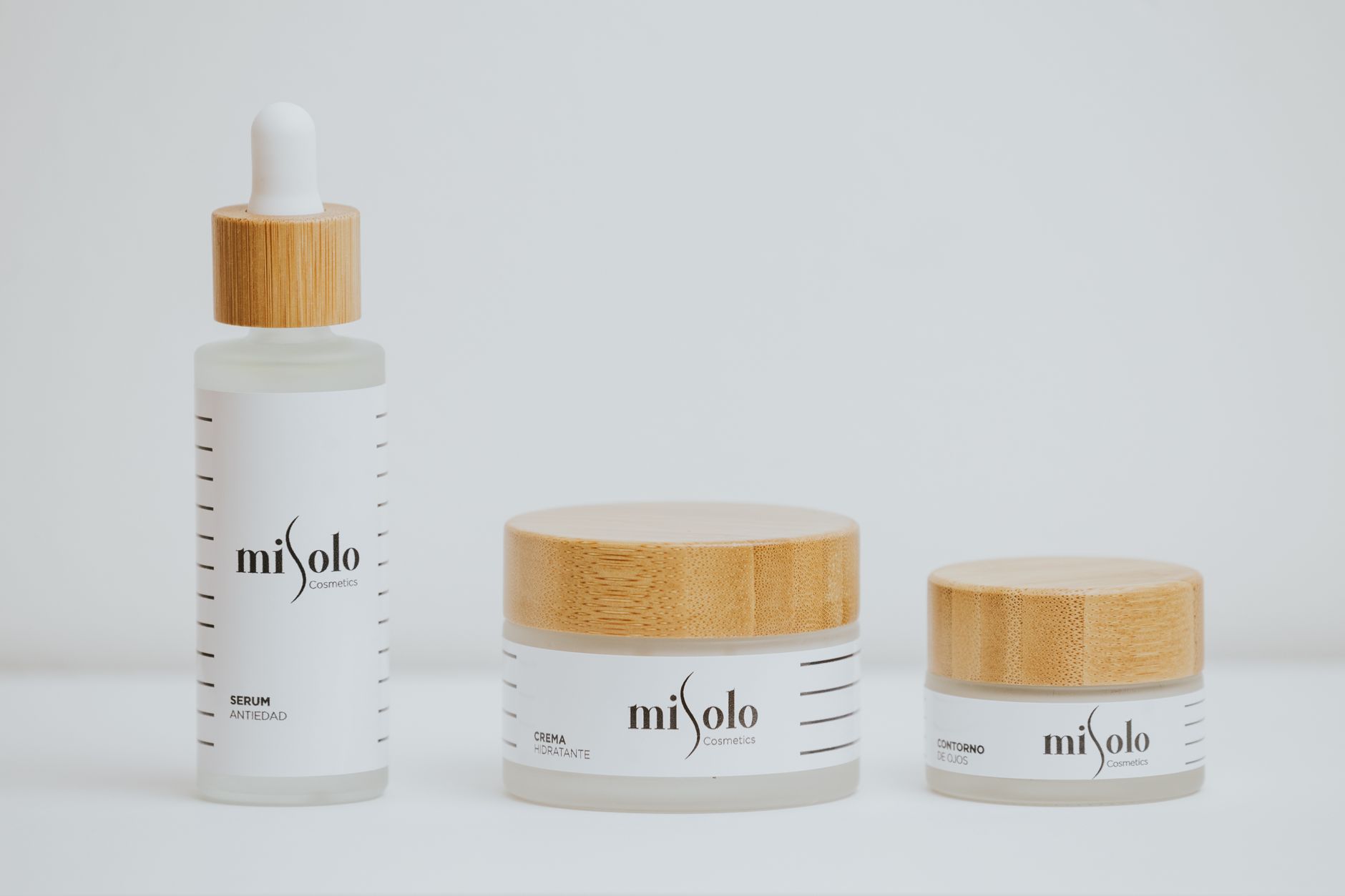
A skincare line works best when the products feel like parts of the same routine. Customers should understand what each item does, when to use it, and why it belongs beside the other products. A collection that feels random can make shopping harder.
Brands working with a manufacturer such as Rainshadow Labs still need to make these product decisions themselves. That means thinking about the customer, the routine, textures, packaging, and future growth before adding more products.
Start With One Clear Customer
A connected product line begins with a clear idea of who will use it.
Trying to create products for every skin type, age group, and routine can quickly make a range feel unfocused. A better approach is to picture one main customer and think about what that person needs most.
For example, a brand aimed at people who want a simple routine might focus on a cleanser, moisturizer, and one supporting product. A brand built around richer body care may need a different mix, such as body wash, lotion, and a heavier cream.
The customer should influence more than the product names. Their habits can shape texture, packaging, size, scent, and how many steps make sense.
Decide What the Routine Should Do
A product line should solve a group of related needs.
Before choosing individual formulas, map out the routine from beginning to end. Think about what the customer does first, what comes next, and where each product fits.
For facial care, the routine may begin with cleansing and move into treatment and moisture. For body care, it may begin in the shower and continue with a lotion or cream afterward.
If two products serve nearly the same purpose, the brand may not need both. If customers need an extra step to complete the routine, that may be a stronger addition than another product with a similar use.
Give Every Product a Purpose
Each product should have a clear job.
A brand may like the idea of offering several serums, creams, and masks, but too many similar products can create confusion.
Write a one-sentence purpose for every item in the range.
For example, one moisturizer may be intended for daily use, while a richer cream may be designed for times when skin feels especially dry. Those products can exist together because their roles are different.
If the purpose of two products sounds almost identical, reconsider whether both are needed.
Avoid Products That Compete
Internal competition can happen when two products are too similar.
Imagine a brand launching three facial moisturizers with nearly the same texture, use, and customer. Unless the differences are easy to explain, shoppers may choose one and ignore the others.
Instead of filling the range with close substitutes, look for products that support one another. A cleanser and moisturizer, for example, can be used together without competing for the same place in the routine.
The goal is not to offer the largest catalog. It is to make each item feel necessary.
Keep Textures in Mind
Products can feel connected even when their textures are different. The key is to make those differences logical.
A lightweight daytime moisturizer and a richer night cream can make sense because they serve different moments in the routine. A light body lotion and a heavier balm may also work together if customers understand when to use each one.
Texture can affect how the line feels as a whole.
If every product is very rich, the collection may feel heavy for customers who prefer quick absorption. If every product is light, people looking for deeper moisture may feel that something is missing.
Brands should sample products together, not only one at a time. Using several items in sequence can reveal whether the textures layer well or feel repetitive.
Create a Logical Order of Use
Customers should not have to guess which product comes first.
A good product line has a clear flow. Labels, product pages, and instructions should support that order.
Think through the full routine exactly as a customer would use it. Open each package, apply the products in order, and notice whether any step feels confusing.
If two products have similar names or directions, customers may hesitate. Clear roles and simple instructions make that problem less likely.
This is also a good time to check whether the number of steps feels realistic for the intended audience.
Think About Packaging as a Group
Packaging should make the range feel related without making every item identical.
Using similar colors, label layouts, or design elements can help customers recognize that the products belong to the same brand. At the same time, each item needs enough visual difference to be easy to identify.
Practical use matters too.
A pump may suit one formula while a jar works better for another. Forcing every product into the same type of package just for visual consistency can create dispensing problems.
Brands working with Rainshadow Labs or another skincare manufacturer should consider formula and packaging together. The collection can still look consistent while using different containers that suit each product.
Plan for Future Products
A connected product line should leave room to grow.
The first launch does not need to cover every possible need. It is often better to begin with a strong core range and expand after learning what customers actually buy.
Future products should fill a clear gap.
If customers regularly ask for a richer moisturizer, that may be a useful addition. If an existing product already solves the same problem, another similar item may only make the range more crowded.
Growth should make the routine more useful, not simply make the catalog longer.
It also helps to think about naming early. A flexible naming system can make new products easier to add without making the original collection feel disconnected.
Review the Line as a Customer
Before production, step away from individual formulas and look at the range as a whole.
Ask simple questions. Can a new customer understand what each product does? Is the order of use clear? Do any products seem unnecessary? Are there obvious gaps? Does the packaging make the products easy to tell apart?
It can help to place all planned items together and walk through the routine.
Small problems become easier to notice when the full collection is viewed at once. A product that seemed useful on its own may suddenly feel repetitive beside the rest of the line.
This review can prevent brands from spending money on products that do not strengthen the collection.
Conclusion
A strong skincare line is more than a group of individual formulas. The products should support one another, fit a clear routine, and make sense for the same customer.
Start with the person using the products, then build the routine around real needs. Give every item a clear purpose, avoid close duplicates, test textures together, and choose packaging that works both visually and practically.
A connected range is easier for customers to understand and easier for a brand to grow over time. Careful planning at the beginning can keep future additions focused instead of turning the product line into a collection of unrelated ideas.