
How Often Should You Get Re-Measured?
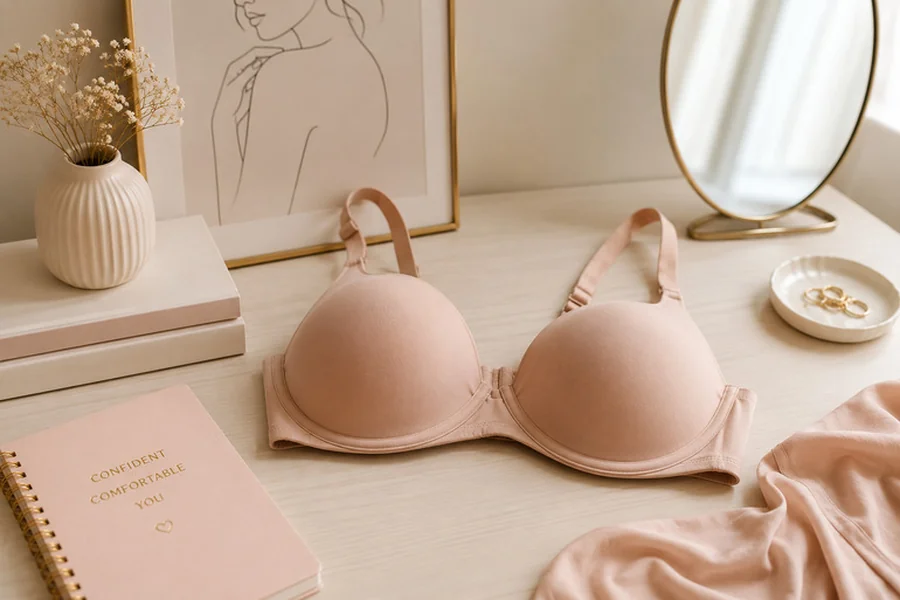
Many people get measured for a bra once and keep buying the same size for years. But your body changes more often than you might realize, and the size that fit perfectly five years ago may not fit today. Here’s how often to check your size, and the signs that it’s time for a new measurement.
Life events that call for a re-measure
As a general rule, it’s a good idea to re-measure every six to twelve months. Bodies shift gradually, and regular checks help you catch changes before they cause discomfort. Certain life events, though, call for a fresh measurement right away.
Weight change is the most common one. Even 10 pounds up or down can affect both your band and cup size. Pregnancy is another, since breasts often grow each trimester. Re-measure a few times while pregnant, again before buying nursing bras and once more after you wean.
Hormones matter too. Starting or stopping hormonal birth control can cause swelling or changes in breast tissue, and perimenopause and menopause change density, fullness and shape. Even a new fitness routine can shift your band measurement as your back and chest muscles grow. After any breast surgery, you’ll need a completely new fitting once you’ve healed.
Changing your style needs is another good reason. If you’re shopping for an event dress, you’ll want the best strapless bra in your current size, since strapless styles depend heavily on an accurate band fit. For backless or plunging outfits where no bra will work, silicone nipple covers offer a smooth, discreet alternative.
Signs your current size has stopped working
Your bra will usually tell you when it’s time to re-measure. Watch for these signs:
1.The band rides up your back: This means the band is too loose and isn’t providing support.
2. You’re on the tightest hook: Bands stretch with wear, but if a newer bra already needs the tightest setting, it’s likely too big.
3. Straps dig in or slip off: If you’re relying on straps for support, your band probably doesn’t fit.
4. Cups gap or wrinkle: Your cups may be too big, or the shape may not match yours.
5. Spillage at the top or sides: Your cups are too small.
6. Underwire pokes or sits on breast tissue: The wire should sit flat against your ribcage, fully surrounding your breast.
7. The center gore doesn’t lie flat: The front of the bra between the cups should sit against your sternum.
8. You can’t wait to take it off: Daily discomfort is a clear sign something is wrong.
Comfort preferences can change too. If underwire has started to feel restrictive, minimizer bras no underwire styles can offer support and a smoother silhouette without the pressure.
Measuring at home is quick. Use a soft measuring tape to measure snugly around your ribcage directly under your bust, then loosely around the fullest part of your bust. Compare the numbers to a size chart for your brand.
Your bra size isn’t permanent. Checking it every six to twelve months, and after any major life change, helps you stay comfortable, supported and confident in what you wear.