
Smart Ways To Handle Common Home Plumbing Problems
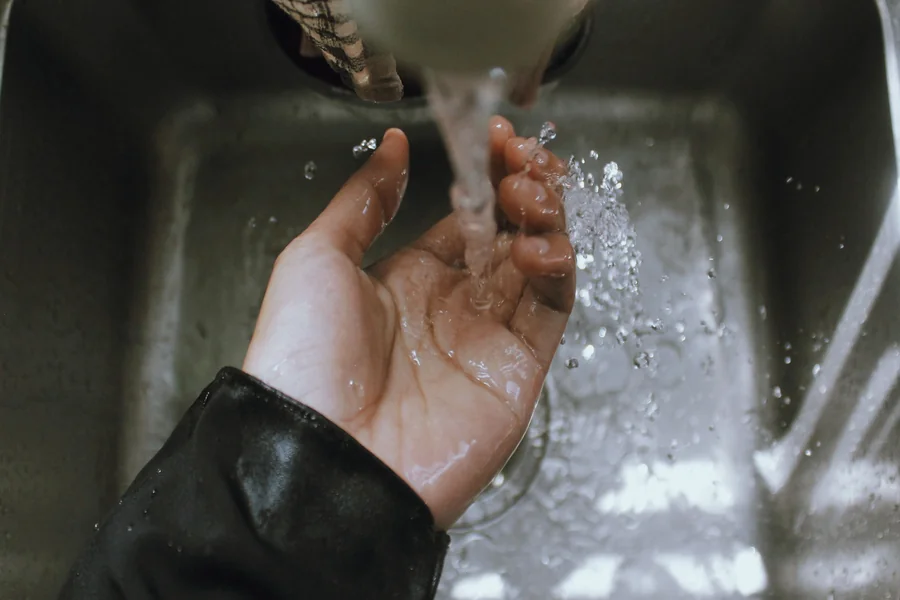
Home plumbing problems have a sneaky way of starting small and acting innocent. A tiny drip seems harmless until your cabinet smells weird and your water bill starts doing gymnastics. The good news is that you don’t need to be a pipe wizard to spot trouble early. If you know what to watch for and when to get help, you can avoid bigger messes, protect your home, and keep everyday life running without that dreadful surprise puddle on the floor
Know When To Act
One of the biggest home mistakes is waiting too long to deal with a plumbing issue. It’s easy to tell yourself that a drip can wait or that a slow drain is just having a lazy day. Usually, though, small problems grow legs.
If water is leaking, pressure suddenly drops, or a drain keeps backing up, it’s smart to look into professional plumbing repair services before the problem spreads. That doesn’t mean every rattle needs panic mode. It just means you should pay attention when something changes.
A good rule is simple. If the issue keeps coming back, affects more than one fixture, or involves hidden water, don’t shrug it off. Plumbing problems love dark corners and silence. The faster you act, the better your chance of avoiding damage, mold, and the kind of repair bill that makes you stare at the ceiling in silence.
Watch For Early Signs
Your home usually gives you hints before a plumbing problem becomes a full-blown disaster. You just have to notice them. A sink that drains slower than usual is often one of the first clues. So is a toilet that suddenly starts acting dramatically and refilling for no reason.
You should also watch for these signs:
- Water stains on walls or ceilings
- Musty smells near sinks or tubs
- Dripping sounds when no water is on
- Low water pressure in one or more fixtures
- Gurgling noises from drains
- A surprise jump in your water bill
None of these signs should be ignored for long. Even a tiny stain can point to a hidden leak behind a wall or under a floor. That’s the tricky part. Plumbing issues aren’t always loud and obvious. Sometimes they whisper first. Catching those early whispers can save you from a much noisier, more expensive problem later.
Try Simple Fixes First
Before you call for help, there are a few basic things you can safely check yourself. Start with the easiest one. Make sure the shutoff valves under your sink are fully open if water pressure suddenly seems weak. Sometimes the fix is less dramatic than expected.
If you spot a small drip under a sink, look for a loose connection you can gently tighten by hand. Don’t go full superhero on it. Over-tightening can cause more trouble. For simple clogs, try a plunger or remove visible hair and debris from the drain cover. A little patience can go a long way.
Here are a few safe first steps:
- Check for obvious drips or puddles
- Test nearby fixtures for similar issues
- Use a bucket to monitor active leaks
- Stop using a problem fixture if water is escaping
Skip harsh chemical drain cleaners if you can. They may damage pipes and make later repairs harder. If a simple fix doesn’t work quickly, that’s your sign to move on to expert help.
Avoid Costly Water Damage
Water damage is one of those problems that doesn’t wait politely. Once it starts, it can spread into cabinets, baseboards, flooring, drywall, and even the space below your home. What begins as a minor leak under the sink can quietly become warped wood, peeling paint, and a musty smell that refuses to leave.
That’s why speed matters so much. Plumbing issues often cost more because of the damage around them, not just the repair itself. A leaking pipe might be fixable without much fuss, but soaked materials are a whole different story. They may need drying, cleaning, or replacement.
You should be especially careful with hidden leaks near walls or behind appliances. These are the ones that stay out of sight while causing the most trouble. If you ever notice bubbling paint, soft spots on the floor, or moldy smells, don’t wait for proof in the form of a puddle.
Build Better Home Habits
The best way to deal with plumbing problems is to make them less likely in the first place. That doesn’t mean turning your weekend into pipe patrol. It just means building a few habits that help you catch problems early and avoid common mistakes.
For example, be careful about what goes down your drains. Grease, coffee grounds, wipes, and food scraps may seem harmless in the moment, but they can create stubborn clogs over time. In the bathroom, using a simple drain screen can stop hair from forming a swamp monster below the surface.
It also helps to check under sinks every now and then. You’re looking for damp spots, stains, corrosion, or odd smells. During colder months, keep an eye on exposed pipes in chilly areas like basements or garages.
Useful habits include:
- Watching your monthly water bill
- Running water in rarely used fixtures
- Fixing drips sooner rather than later
- Keeping clutter away from plumbing access points
Small habits may not feel exciting, but they do a lot of quiet work behind the scenes.
Choose Help With Confidence
Calling a plumber can feel stressful if you’re not sure what to ask or what the problem really is. Still, you don’t need to know every pipe part by name to make a good decision. You just need a clear description of what you’re seeing, hearing, or smelling.
When you reach out for help, be ready to explain when the issue started, which fixtures are affected, and whether the problem is constant or comes and goes. That information helps the plumber figure out what’s likely happening before they arrive. It can also save time.
You may want to ask practical questions like:
- Is this likely an urgent repair
- What should I stop using right now
- Could this cause water damage if delayed
- Are there signs I should monitor
A good service experience should leave you feeling informed, not confused. Plumbing may live behind walls, but the process shouldn’t be mysterious. When you know the basics, you can act faster, ask better questions, and keep your home from turning into an indoor water park nobody asked for.