
What an Integrated Pharmacy POS System Does for Daily Operations
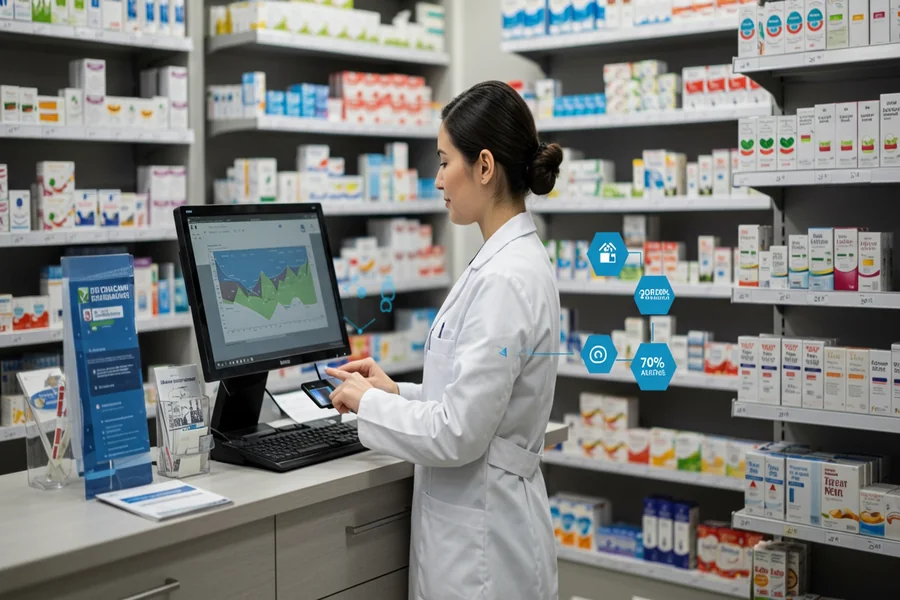
Daily pharmacy work depends on accurate records, timely service, and calm coordination between prescription pickup, payment, inventory, and patient questions. An integrated pharmacy point-of-sale system consolidates those duties into a single, connected workflow. Staff can complete checkout, update stock, collect signatures, review account activity, and document transactions with fewer handoffs. That structure protects time at the counter while giving managers a clearer view of routine performance.
Connected Checkout
At the counter, an easy pharmacy POS helps staff connect prescription pickup, retail items, required signatures, and payment details in a single workflow. Pharmacy checkout often involves regulated products, insurance-related notes, caregiver questions, and inventory movement. A connected register keeps each step in order, reducing confusion during busy service periods.
Prescription Pickup
Prescription pickup requires more than scanning a bag. Staff must confirm the patient, verify status, collect payment, and document the handoff correctly. Integrated point-of-sale tools can match transactions to prescription records, reducing duplicate entries. Cleaner pickup documentation also helps with later questions, internal reviews, and audit requests.
Inventory Accuracy
Every completed sale changes the available stock. A connected system updates counts as products leave the pharmacy, giving employees a more reliable view of shelf and prescription supply levels. Accurate counts help prevent missed refills, last-minute shortages, and unnecessary purchasing. Managers can also review product movement by category, season, or demand pattern.
Faster Reordering
Reordering works best when it follows real purchasing behavior. Integrated sales data can show which items move quickly, which remain slow, and which products need attention before quantities fall too low. That visibility makes ordering less reactive. It also helps pharmacies preserve cash while keeping essential medications and common retail items available.
Account Visibility
Many community pharmacies manage charge accounts, facility billing, caregiver payments, or delayed collection. A connected system can track balances, credits, payments, and account activity, in addition to ordinary sales records. This gives employees a clearer picture of open amounts. Better account visibility also reduces confusion for patients, families, facilities, and business partners.
Reporting
Managers need numbers they can trust. Integrated reporting can summarize sales, payment activity, inventory changes, employee actions, and prescription-related transactions without pulling files from separate tools. Clear reports support pricing reviews, staffing decisions, loss checks, and service planning. They also help owners spot small operational problems before they grow. Daily pharmacy work depends on accurate records, timely service, and calm coordination between prescription pickup, payment, inventory, and patient questions.
Compliance Support
Pharmacy transactions often require precise documentation. A connected point-of-sale system can support electronic signatures, identity verification, payment security, and record retention. Built-in prompts guide employees through required steps, reducing manual tracking. Consistent records make it easier to answer questions from patients, managers, auditors, or payment partners.
Patient Experience
A pharmacy counter visit may happen when someone feels ill, tired, or worried about treatment. Integrated systems help employees move from prescription pickup to payment and counseling prompts with fewer delays. When records, charges, and signatures align, the visit feels more controlled. Patients notice that care, especially when time matters.
Staff Workflow
Pharmacy employees often balance ringing sales, answering phones, checking queues, and helping patients at once. Fewer screens and repeated entries can lower mental strain. Integrated tools let cashiers, technicians, and pharmacists share current information without extra notes or calls. Work moves more cleanly from filling to pickup.
Pricing Control
Retail pricing needs careful control at the register. A connected point-of-sale system can help employees update prices, apply approved changes, and keep product records aligned. This reduces mismatches between shelf labels, checkout totals, and management reports. Accurate pricing protects margins while helping customers receive correct charges.
Business Visibility
Owners and managers need timely insight into store activity. Integrated pharmacy point-of-sale data can show what sold, which payments cleared, how stock shifted, and where exceptions appeared. That current view supports planning across a single location or multiple stores. Leaders can respond while problems remain manageable.
Conclusion
An integrated pharmacy POS system strengthens daily operations by connecting checkout, inventory, reporting, accounts, and prescription pickup records. It reduces duplicate work, improves documentation quality, and gives staff better information during each shift. For independent pharmacies, that connection matters at the counter and behind it. When sales activity and pharmacy records stay aligned, teams can place more attention on patient care, accuracy, and steady business performance.