
7 Features Every Modern Customer Onboarding Platform Should Include
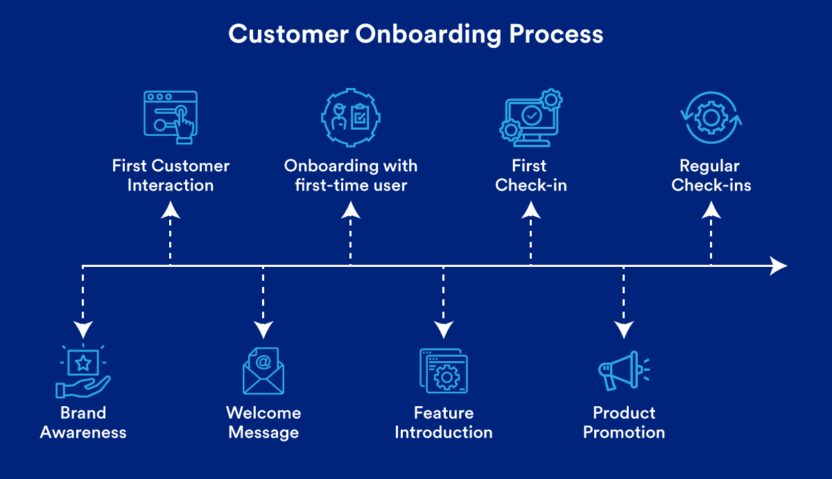
Customer onboarding is where businesses win or lose trust in under three minutes. Studies show 74% of potential customers switch to a competitor if the onboarding process is too complicated or slow. That first experience sets the tone for everything. The digital onboarding market is growing fast, expected to reach $11.5 billion by 2030. Companies that invest in smart, friction-free systems keep customers. Companies that don’t, bleed them quietly. Platforms built with strong identity verification solutions at their core are the ones passing the test in 2025.
Why Does Document Verification Matter More Than Ever?
Fraudsters submit fake IDs every 11 seconds online. That number is not a guess. It comes from real fraud intelligence data tracked across financial institutions. A modern onboarding platform must verify government-issued documents in real time. Scanning a driver’s license or passport and checking it against official databases is the baseline. Anything less is a liability. Entrust offers document verification that cross-checks authenticity markers, chip data, and visual security features simultaneously.
Can Biometric Authentication Replace Passwords in Onboarding?
Yes, and it should. Passwords fail. They get reused, stolen, and guessed. Biometric authentication uses facial recognition or fingerprint scans to confirm a person is who they claim to be. Liveness detection stops someone from using a photo or video to trick the system. According to a 2024 Juniper Research report, biometric authentication will secure 1.4 billion mobile transactions per year by 2025. A good onboarding platform uses biometrics as a first-line check, not an afterthought.
What Role Does AI Play in Catching Fake Identities?
Artificial intelligence does not get tired. It processes thousands of data points per second and flags anomalies a human reviewer would miss in a three-second glance. AI-driven platforms detect document forgery by analyzing micro-patterns, font inconsistencies, and pixel-level distortions. Entrust uses machine learning models trained on millions of real and fraudulent documents. The system keeps learning. That means detection accuracy keeps improving as new fraud tactics emerge.
Is Real-Time Database Cross-Checking a Non-Negotiable Feature?
It is. Onboarding without cross-referencing watchlists, sanctions databases, and PEP (Politically Exposed Persons) lists is onboarding blind. Regulatory bodies like FATF require firms to screen new customers against these lists before accepting them. Missing one flagged name can result in fines that run into tens of millions. Real-time cross-checking happens automatically in a properly built platform. It takes under two seconds and keeps compliance tight.
How Does Mobile-First Design Affect Completion Rates?
Completion rates drop by 35% when onboarding is not optimized for mobile. People fill out forms on their phones. They upload documents from their camera rolls. If the interface is clunky, they leave. A modern onboarding platform is designed mobile-first, not mobile-adapted. That means responsive UI, fast load times under 3G conditions, and a simple flow that does not require switching between apps or devices.
Should Onboarding Platforms Support Multiple Languages?
Absolutely. Businesses operating across borders cannot afford a single-language onboarding flow. A platform that only speaks English locks out 6.5 billion non-English speakers. Multi-language support reduces abandonment, improves regulatory compliance in local markets, and builds real trust with international customers. It also matters for accessibility compliance under regional laws like the EU’s Accessibility Act.
What Makes Audit Trails a Core Platform Feature?
Every action taken during onboarding must be logged. Not for internal peace of mind. For legal defensibility. Regulators want to see who was verified, when, how, and what data was used. Audit trails store this information in tamper-evident logs. If a fraud case goes to court or a regulator requests evidence of compliance, a complete audit trail is the difference between a resolved case and a serious fine. Entrust builds audit-ready logging directly into its onboarding infrastructure, so nothing gets missed.