
Nearly 1 in 3 Homebuyers Now Regret Their Purchase
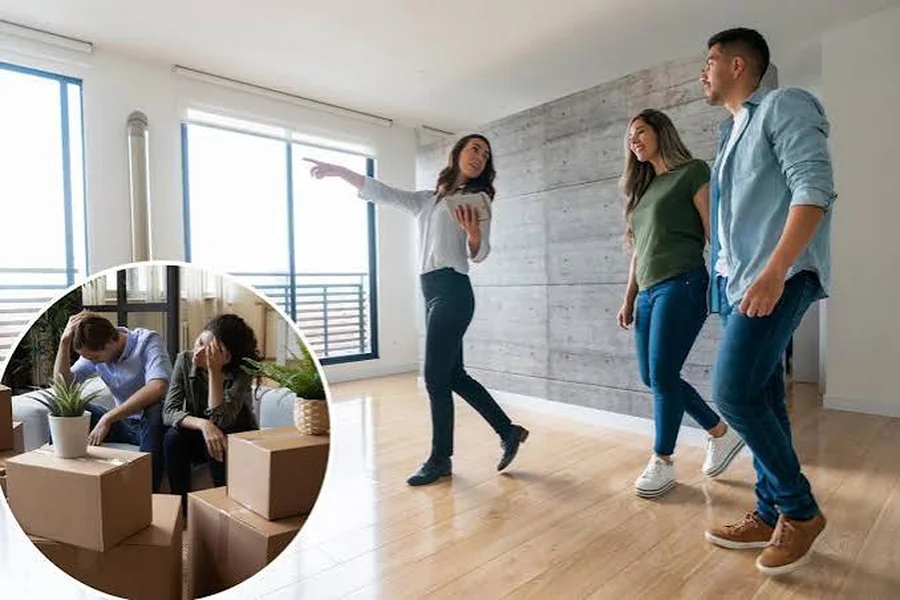
Nearly 1 in 3 first-time homebuyers now regret their purchase. A Guardian Service survey of 1,005 homeowners found that 31% experienced buyer’s remorse after closing, and 9% wished they had not bought a home at all.
Homebuyer regret is not limited to first-time buyers. Maintenance bills, property taxes, and insurance premiums catch many buyers off guard even after they close on the home. NerdWallet’s 2026 Home Buyer Report found that 21% of homeowners regret their current home purchase. Among those who bought within the past 2 years, the regret rate nearly doubles to 44%.
The Link Between Rushed Decisions and Buyer Remorse
One of the biggest reasons behind the regret is that most buyers rush through the contract phase. Once they take possession of the home, they are hit by the reality of overlooked costs such as HOA fees, rising utility bills, and sometimes property tax hikes.
44% of first-time buyers said the process made them feel like a failure at some point, far above repeat buyers. Their anxiety ran higher too, at 23%, along with stress at 25% during the deal, according to Best Interest research data.
Moreover, a Guardian Service survey found that 38% of first-time buyers felt pressured to decide quickly. That group went on to regret the purchase at nearly 3x the rate of those who felt no such pressure.
A 2026 survey by Clever Real Estate and Best Interest research data found a similar pattern, with 76% of recent buyers admitting they overlooked or downplayed red flags during the home-buying process.
These have led to not only mental health issues but also hesitation among buyers. According to the National Association of Realtors, first-timers now account for just 21% of all homebuyers, the lowest share on record.
Hidden costs usually surprise buyers in the first year, well after the initial excitement of closing has passed. Unexpected maintenance topped the list of buyer regrets at 16%, with higher household expenses and depleted savings close behind.
To avoid these blind spots, buyers can look up home details and price trends on platforms like Houzeo so they can enter negotiations much more prepared.
The Emotional Cost of Buying Under Pressure
A rushed process takes a toll on more than just the buyer’s pocket. Mental-health issues among buyers are far more common than one would anticipate. 90% of recent buyers experienced stress during the process, per Truework’s 2025 Recent Homebuyer Report.
That stress follows buyers home. A LendingTree survey found 65% of recent buyers lost sleep during their home search, and 42% got into family arguments over it. Much of that pressure traces back to price. In 2026, the national median sale price is $438,964. First-time buyers can reduce that risk by starting with homes under $300k, where the monthly EMI comes to about $1,800. The smaller payment leaves more room for repairs and closing costs.
But now, that frantic pace has started to ease. One of the main reasons is a slower housing market, which has given buyers more time to decide.
A Slower Market Gives Buyers More Time to Decide
The market has changed enough that buyers no longer have to decide within a few days. According to Realtor.com’s study, homes now sit on the market for a median of 63 days, nearly two weeks longer than two years earlier. That extra time alone has changed how buyers approach the process.
Buyers now have enough time to visit a home more than once and negotiate on price, something that felt impossible two years ago. Fewer buyers now feel they overpaid, with that share dropping from 15% to 8% since 2023. The shift is showing up in how buyers make decisions, not just in how long homes sit.
Houzeo’s housing market data shows homes selling at 98.65% of list price nationally, with 3.44 months of supply. Both figures mean that a buyer can push back on price, request repairs, and walk away from a deal that does not feel right without losing the house to someone else the same afternoon.
When it comes to new construction listings, fresh inventory often comes with builder incentives. This broadens the negotiation window further as builders compete hard for buyers. Even with more time to negotiate, the reasons most buyers wanted a home have stayed the same.
What Drives Buyers to Overlook the Numbers
For many first-time buyers, the purchase was never purely financial. In most cases, it was personal, and that hasn’t changed for recent ones.
63% bought mainly to escape rent payments rather than to build equity, per Guardian Service survey data. Only 7% of first-time buyers treated the purchase as an investment, while 65% saw it primarily as personal space.
That framing explains why rushed buyers overlook the financial realities that surface later. When a home feels like a personal milestone rather than just a transaction, the due diligence that should protect the buyer tends to take a back seat.
But confidence is building as buyers get more time and better tools before they commit. 60% now say they feel confident their purchase was the right decision. A slower market and better access to data have given buyers the ability to make a decision they can live with long after the moving boxes are unpacked.