
When Schools Fail to Protect Students: Understanding Your Legal Rights
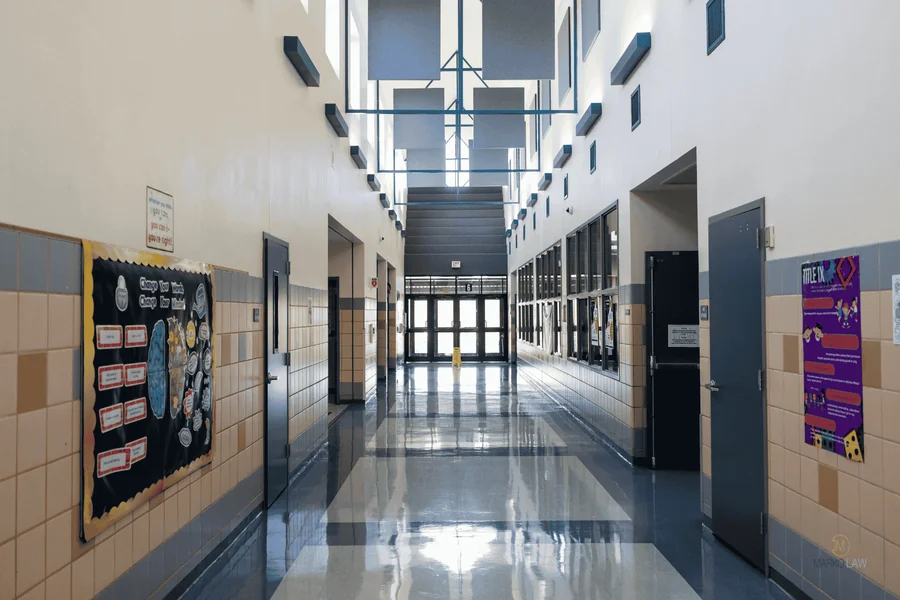
Parents trust schools to provide a safe environment where students can learn, participate in activities, and grow without fear of harm. When a sexual assault occurs on school grounds or during a school-sponsored activity, that trust is broken. Beyond the emotional trauma suffered by the survivor, questions often arise about whether the school ignored warning signs, failed to supervise students, or neglected its legal responsibility to maintain a safe environment. A School Sexual Assault Lawyer helps families and survivors investigate these issues while pursuing accountability through the civil justice system.Unlike many personal injury claims, cases involving educational institutions require careful analysis of school policies, reporting procedures, employee conduct, security practices, and applicable state and federal laws.
Why School Sexual Assault Cases Often Involve Institutional Negligence
An assault committed by one individual does not automatically mean only that person is legally responsible. Schools have a duty to take reasonable measures to protect students from foreseeable harm. When administrators, teachers, coaches, or staff members fail to respond appropriately to complaints, ignore previous incidents, or violate safety policies, the institution itself may face civil liability.
Negligence may involve inadequate supervision, poor hiring practices, failure to conduct background checks, improper staff training, ignored reports of misconduct, or insufficient campus security. Every case requires a detailed investigation to determine whether preventable failures contributed to the assault.
Critical Evidence That Can Strengthen a Civil Claim
School-related cases often depend on evidence that institutions control internally. Prompt legal action allows attorneys to preserve documents before they are altered, deleted, or lost through routine record retention practices.
Important evidence may include:
- Incident reports prepared by school administrators.
- Security camera footage.
- Student and staff witness statements.
- Attendance records.
- Internal emails and communications.
- Prior complaints involving the accused.
- Campus security logs.
- Medical and counseling records.
How Schools Can Become Legally Responsible Beyond the Individual Offender
Educational institutions owe students a legal duty of care. Civil claims often focus on whether school officials could have prevented the assault through reasonable action rather than solely on the criminal conduct itself.
Examples of institutional failures include:
- Ignoring repeated complaints against employees.
- Allowing unsupervised access to students.
- Failing to investigate reports of misconduct.
- Violating mandatory reporting requirements.
- Inadequate supervision during extracurricular activities.
- Poor security measures in isolated campus areas.
- Hiring individuals without proper background screening.
Building a Strong Case Requires More Than Proving the Assault Occurred
Civil litigation examines how the incident happened, whether warning signs existed beforehand, and whether school officials fulfilled their legal obligations. Attorneys often work with investigators, educational experts, psychologists, and forensic specialists to reconstruct events and determine whether negligence contributed to the harm.
Evidence may include digital communications, surveillance footage, disciplinary records, policy manuals, employment files, witness interviews, and expert analysis regarding campus safety standards. This comprehensive approach strengthens both settlement negotiations and courtroom litigation when necessary.
Compensation May Address Long-Term Consequences
The impact of sexual assault frequently extends far beyond immediate medical treatment. Survivors may experience emotional trauma, academic setbacks, interrupted educational goals, anxiety, depression, and ongoing counseling needs. Civil compensation seeks to address these measurable losses while recognizing the broader effects on a survivor’s future.
Potential damages may include:
- Medical treatment expenses.
- Psychological counseling and therapy.
- Future mental health care.
- Educational losses.
- Lost earning capacity when appropriate.
- Pain and suffering.
- Emotional distress.
- Other financial losses directly connected to the incident.
Early Legal Action Helps Preserve Valuable Evidence
Time plays a significant role in school sexual assault litigation. Security footage may be automatically overwritten, witnesses may graduate or relocate, electronic records can disappear, and memories naturally fade. Seeking legal guidance promptly allows attorneys to request preservation of important documents and begin an independent investigation before critical evidence becomes unavailable.
Early representation also helps families understand reporting obligations, applicable statutes of limitation, insurance issues, and potential claims against schools, districts, employees, or other responsible parties. Acting promptly often strengthens the overall case while reducing the risk of losing information essential to proving negligence.
Understanding the Difference Between Criminal Charges and Civil Lawsuits
Many families believe that once law enforcement begins a criminal investigation, every legal issue will automatically be resolved. In reality, criminal and civil proceedings have different purposes. A criminal prosecution focuses on determining whether a defendant violated criminal law and, if convicted, imposing penalties such as imprisonment or probation. A civil lawsuit, by contrast, seeks financial compensation for the survivor and examines whether negligence by a school or another institution contributed to the assault.
Even if criminal charges are never filed or do not result in a conviction, a survivor may still have the right to pursue a civil claim. The legal standards differ, making it possible for a civil case to proceed independently based on the available evidence.
How an Experienced Attorney Investigates Institutional Failures
School sexual assault cases require a much deeper investigation than many other personal injury claims. Attorneys do more than review police reports they analyze whether the institution met its legal obligations before and after the incident.
A comprehensive investigation may involve:
- Reviewing school safety policies and reporting procedures.
- Examining employee hiring and background screening records.
- Interviewing students, teachers, coaches, and witnesses.
- Preserving surveillance footage and electronic communications.
- Consulting education policy experts and forensic specialists.
- Identifying previous complaints involving the same employee or student.
- Evaluating supervision practices during school activities.
Civil Claim Timeline for School Sexual Assault Cases
| Stage | Purpose | Evidence Commonly Reviewed |
| Initial Consultation | Evaluate legal options | Incident summary, school records |
| Investigation | Identify negligence | Witness interviews, security footage |
| Evidence Collection | Build liability | Emails, policies, disciplinary files |
| Settlement Discussions | Negotiate compensation | Medical records, expert opinions |
| Trial (If Necessary) | Present evidence before court | Complete case documentation |
Selecting the Right Lawyer Can Influence the Outcome
Not every attorney has experience handling institutional abuse litigation. These cases often involve school districts, private educational institutions, insurance companies, and multiple defense attorneys working together. An experienced lawyer understands how to investigate negligence, preserve evidence, and present complex facts in a way that supports the survivor’s claim.
When evaluating legal representation, families often consider the attorney’s experience with institutional liability, knowledge of education laws, litigation history, communication style, and ability to work with medical and psychological experts. Strong legal advocacy allows survivors to focus on recovery while their legal team manages the complexities of the case.
Supporting Recovery Beyond the Courtroom
While financial compensation can help cover counseling, medical treatment, and educational losses, healing extends beyond a legal outcome. Survivors often benefit from continued mental health support, trusted family involvement, educational accommodations, and trauma-informed care.
A compassionate legal approach recognizes that every survivor’s experience is unique. Respecting privacy, maintaining open communication, and minimizing unnecessary stress throughout the legal process can make a significant difference while the case moves forward.
Conclusion
A school sexual assault case is about more than assigning blame it is about protecting survivors, uncovering institutional failures, and promoting safer educational environments for future students. Schools have a legal responsibility to provide reasonable protection, respond appropriately to reports of misconduct, and take meaningful action when warning signs appear. When those responsibilities are ignored, civil law provides an avenue for survivors to seek accountability and compensation.
Working with an experienced School Sexual Assault Lawyer allows survivors and their families to understand their legal options, preserve critical evidence, and pursue justice through a carefully prepared civil claim. Every situation is unique, but timely legal guidance can strengthen a case while helping survivors focus on recovery and rebuilding their future.