
How to Keep Your Pool Deck Safe and Attractive: Best Practices for Maintenance
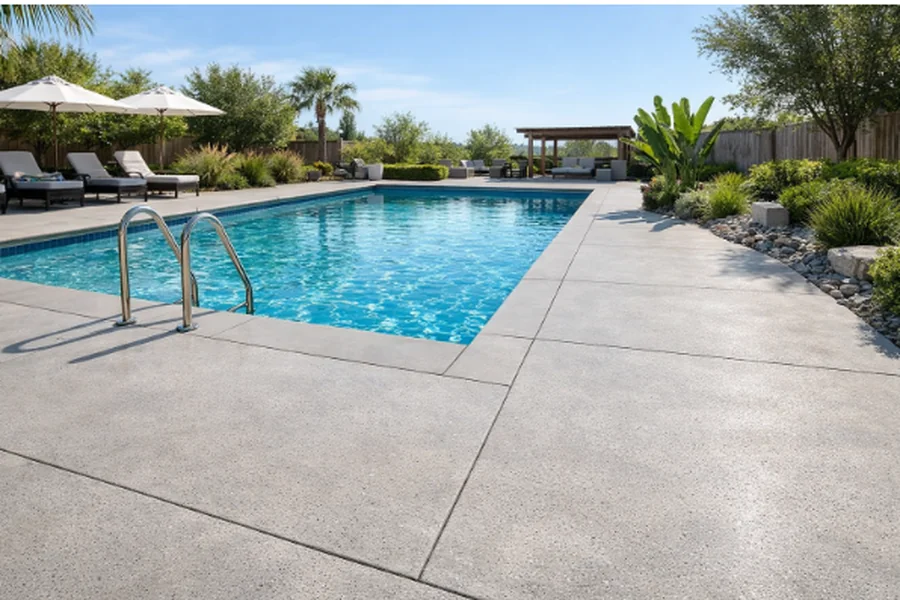
Ensuring your pool deck remains both safe and visually appealing requires consistent attention and care. By implementing effective maintenance strategies and choosing the right materials, you can enhance the longevity of your deck and provide a secure environment for all users. Homeowners who are considering improvements or need resurfacing can explore a pool to keep surfaces fresh, safe, and inviting throughout every season.
Beyond curb appeal, a safe pool deck also significantly reduces the risk of accidents. Frequent contact with water, chemical splash-out, and fluctuating weather demand a proactive approach to maintenance. Understanding how best to clean, inspect, and upgrade your pool deck sets the stage for years of safer swimming and enjoyment.
Proper care not only safeguards family and guests but also helps protect your investment. Neglecting upkeep can lead to costly repairs or surface degradation. By following industry-recommended maintenance best practices, you can make your pool environment a highlight of your outdoor living space. Taking these steps can delay the need for major renovations and extend the usable lifespan of your deck, keeping it both functional and stylish.
Routine upkeep becomes even more essential when considering the variety of materials, textures, and finishes that modern pool decks offer. Each choice brings its own set of cleaning and care requirements, but all share the common need for regular attention. Whether your deck is concrete, paver, tile, or composite, adhering to set routines is the foundation for long-term satisfaction. For more information on pool deck materials and safety considerations, consult resources provided by Elle Decor.
Regular Cleaning and Maintenance
Consistent cleaning is fundamental to maintaining a safe pool deck. Sweeping the deck several times a week removes loose debris before it becomes embedded or slippery. This habit alone can prevent many slip-related accidents, especially where children and elderly guests are concerned. Rinsing the surface with a hose washes away residues like sunscreen, dirt, and chlorine splash-out that can dry into slick, hazardous spots. In high-use areas, even a quick rinse at the end of each day can substantially reduce dangerous buildup.
Consider spot cleaning with a diluted bleach solution or a non-slip algaecide to control algae and mold growth. Always trim back nearby shrubbery to increase sunlight and airflow, which naturally discourages the regrowth of unwanted organisms. Regular hosing between deep cleans can keep your pool deck looking vibrant and reduce the time needed for more labor-intensive maintenance sessions. For additional cleaning tips and safety strategies around pools, the Centers for Disease Control and Prevention offers trustworthy guidelines.
Choosing Slip-Resistant Materials
Choosing the right materials and textures is at the heart of pool deck safety. Not all surfaces are created equal, especially where water exposure is a constant factor. Common slip-resistant options include:
- Broom-Finished Concrete: This popular choice offers reliable traction, even when wet, and stands up well to patio furniture, foot traffic, and harsh sunlight.
- Textured Pavers: Interlocking pavers provide excellent grip while enhancing the overall aesthetic of your pool area. Their naturally rough surface is both stylish and safe.
- Exposed Aggregate: With built-in texture, exposed aggregate surfaces increase foot grip and maintain their slip-resistant properties regardless of weather conditions.
No matter the material, it is essential to choose options rated specifically for wet environments. Features such as tumbled finishes or anti-slip coatings can further reduce hazards for swimmers as they transition in and out of the water.
Ensuring Proper Drainage
Effective drainage serves a dual purpose. It not only prevents hazardous puddles that cause slips but also reduces long-term damage to the deck structure. The deck should slope slightly away from the pool edge, at least a quarter inch per foot, to encourage water flow toward landscaping, deck drains, or safe runoff channels. Pools positioned near homes must also ensure water is directed away from foundation walls to prevent erosion, leaks, or settling over time.
Designing and maintaining good drainage is a fundamental step that many overlook. Pool decks with slow-draining or poorly sloped surfaces can rapidly develop algae, spalling, and surface pitting. Ensuring drain grates are clear of leaves and debris, and checking that runoff points are never clogged, will keep your skating surfaces dry and hazard-free year-round.
Routine Inspections and Repairs
Even with thorough cleaning and material selection, routine inspections are vital for long-term safety. Over time, weather and foot traffic can lead to cracks, chips, or uneven joints. Inspect the deck surface at least monthly, with heightened attention after severe storms, freeze-thaw cycles, or heavy pool use.
- Surface Integrity: Check for cracks, peeling, or spalling that could result in trips and falls.
- Joint Stability: Ensure all expansion and control joints remain well-sealed and are not separating or shifting over time.
- Drainage Systems: Verify that channels, grates, and slopes are clear and working properly to keep water away from both the pool and living structures.
Prompt repairs can keep minor problems from escalating into costly restorations or unsafe conditions, providing both peace of mind and continual value from your investment.
When seasonal exposure reveals significant wear on a wooden support framework, simple surface patching might no longer be enough to guarantee safety. Evaluating whether to repair specific structural beams or proceed with a complete upgrade requires skilled guidance. Homeowners looking to restore their outdoor structures can discuss your project with Decks by Lee to determine the most durable and safe options for their backyard layout.
Applying Protective Sealants
Sealing your pool deck protects it from water infiltration, stains, chemicals, and sun damage. Use non-slip sealants that contain grit additives to preserve traction even after cleaning or weathering. For natural stone, paver, or concrete surfaces, schedule resealing every one to three years, depending on material and exposure. Between sealing sessions, use mild, pool-safe detergents and regularly scrub surfaces to prevent mold or mildew regrowth.
When dealing with especially persistent algae or mildew, a diluted bleach solution can be used sparingly to disinfect the affected section. After applying, allow it to sit for a few minutes before scrubbing and rinsing thoroughly. Keeping surrounding plants pruned enhances sun exposure, speeding drying times and helping minimize slip risks.
Implementing Safety Features
Physical safety features can greatly enhance both usability and accident prevention. Consider installing:
- Handrails: Essential at steps or sloped entries for small children, elderly guests, and anyone with mobility needs. They offer support and confidence while entering or exiting the pool.
- Non-Slip Mats: Portable mats can be deployed in high-traffic sections, especially near ladders, stairs, or shallow zones.
- Adequate Lighting: Proper illumination allows users to navigate the deck safely during dusk and nighttime hours, reducing the risk of missed steps or stumbling on unseen obstructions.
Combining these features with diligent surface care delivers a comprehensive solution for long-term pool safety and peace of mind.
Conclusion
Maintaining a safe and attractive pool deck demands both regular effort and smart planning. By embracing proven cleaning methods, selecting slip-resistant materials, ensuring effective drainage, conducting periodic inspections, applying protective sealants, and installing key safety features, you establish an inviting environment for everyone. These practices protect your investment, support health and safety, and ensure the pool deck stays a highlight of your outdoor living area for years to come. Consistent attention to detail is the key to creating a secure, welcoming, and enjoyable oasis.