
Protecting Your Home from Unexpected Water Damage
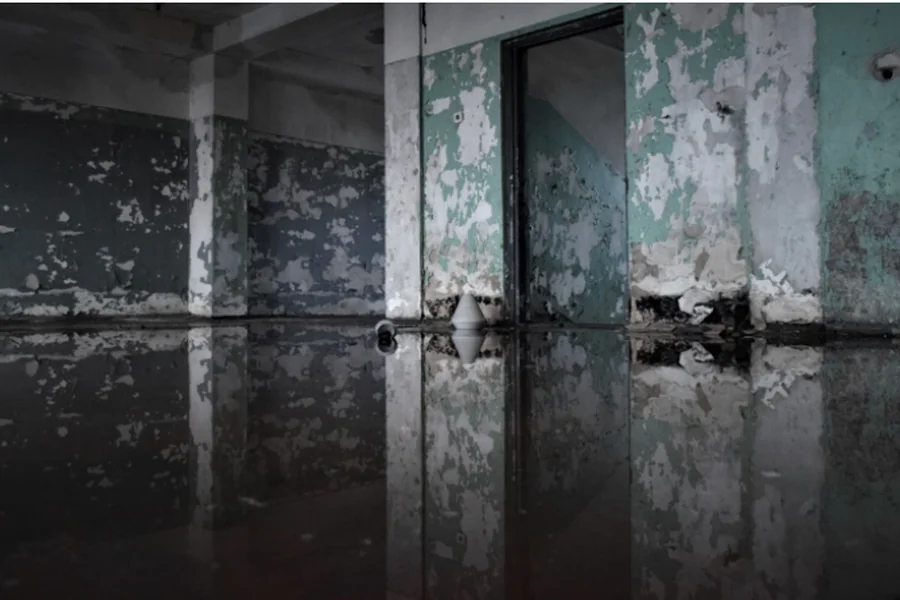
Water has a sneaky way of showing up where it absolutely does not belong. One little drip can turn into warped floors, musty smells, and a living room that feels more like a sad indoor pond. If you find water in your home, the good news is that a calm, quick response can make a big difference. You do not need superhero powers. You just need a simple plan, a sharp eye, and a little patience while things dry out.
Act Fast First
When you spot water damage, your first job is not deep cleaning. It is slowing the chaos down. If water is still flowing, shut off the nearest valve or your main water supply. If the leak is near outlets or appliances, turn off power to that area only if you can do it safely. Water and electricity are a terrible buddy comedy.
Once the area is safe, take a few photos. That helps with insurance and gives you a record of how bad things were at the start. Then soak up standing water with towels, a mop, or a wet vacuum if you have one.
If the mess is extensive, has an unpleasant odor, or has soaked into walls and floors, it may be time to call for water damage restoration.
Locate the Source
Before you clean too much, try to figure out where the water came from. The cause matters because clean water from a supply line is one thing. Dirty water from a drain backup is a whole different beast.
Start with the obvious suspects. Check under sinks, behind toilets, around washing machines, and near water heaters. Appliance hoses can crack with age, and they often fail without much warning. If the ceiling is wet, the problem may be upstairs or on the roof.
Rainwater can also enter through damaged shingles, clogged gutters, or gaps around windows. In basements, water may enter through foundation cracks or poor drainage outside. If the puddle keeps returning after you wipe it up, that is a clue the source is still active.
You do not need to play detective for three days. You just need enough information to stop the leak and decide what kind of cleanup you are dealing with.
Protect Your Home
Once the source is under control, think about what can still be saved. Move rugs, baskets, books, and electronics out of the wet area. Pick up furniture legs with blocks, foil, or even sturdy plastic lids so wood does not keep drinking up water like it is at an all-you-can-sip buffet.
If curtains are touching wet floors, lift them. If a closet got damp, open the doors so air can move through. Wet items packed together dry slowly and start smelling funky fast.
Keep kids and pets away from the mess, especially if the water came from outside or a drain. Floors can become slippery, and dirty water can carry germs. If the ceiling is bulging, do not stand underneath it. That is not the kind of surprise party you want.
This stage is all about buying time and reducing the spread. A few quick moves can save you money and a lot of frustration later.
Dry the Area Thoroughly
Drying is where many people get fooled. A floor can look dry on top while the padding underneath is still wet. Drywall may feel normal on the surface but hold moisture inside. That hidden dampness is what leads to stains, odors, and mold.
Use fans to keep air moving across the area, not just at one wet spot. A dehumidifier helps pull moisture from the air, which is especially useful in humid weather. If it is dry outside, open windows for extra airflow. If it is muggy or raining, keep them closed and let machines do the work.
Avoid using high heat to speed up drying, as it can damage some materials and trap moisture inside others. Check the room over the next day or two. If surfaces still feel cool and clammy, they are probably not dry yet.
Good drying is not glamorous, but it is the part that often saves your home from a second round of trouble.
Know What to Replace
Some things bounce back well after getting wet. Others really do not. Hard surfaces like metal, glass, and some sealed plastics can often be cleaned and dried. Solid wood furniture may survive if you dry it slowly and avoid harsh heat.
But porous items are trickier. Cardboard boxes, ceiling tiles, insulation, and swollen particleboard usually do not recover well. Wet carpets can sometimes be saved if the water was clean and drying started fast. Carpet padding often has to go because it traps moisture and odor.
Fabrics depend on what touched them and how long they stayed wet. A washable blanket from a clean-water leak might be fine. A rug soaked by backed-up drain water is another story.
Your sense of smell can also be a useful indicator. If something still smells sour, musty, or swampy after drying, it is usually best to replace it. Sentimental value matters, of course, but so does the air quality in your home.
Prevent Future Leaks
After cleanup, give your home a simple water-risk check. Look at washing machine hoses, dishwasher connections, and the area around your water heater. If hoses are old, replace them before they turn into tiny troublemakers.
Clean gutters so rainwater moves away from the house instead of spilling near walls and foundations. Check window seals and door gaps. In bathrooms and kitchens, watch for small stains or peeling paint because those often whisper before they shout.
It is also smart to keep an eye on your water bill. A sudden jump can point to a hidden leak. Know where your main shutoff valve is, and make sure everyone in the house knows too. That small bit of knowledge can save a big mess.
You cannot prevent every water emergency, but you can make your home far better prepared to handle one. When water does show up, acting quickly and drying thoroughly can help limit damage, reduce repair costs, and protect your home for the long term.