
The Human Touch in a Digital World: Why Physical Design Still Matters
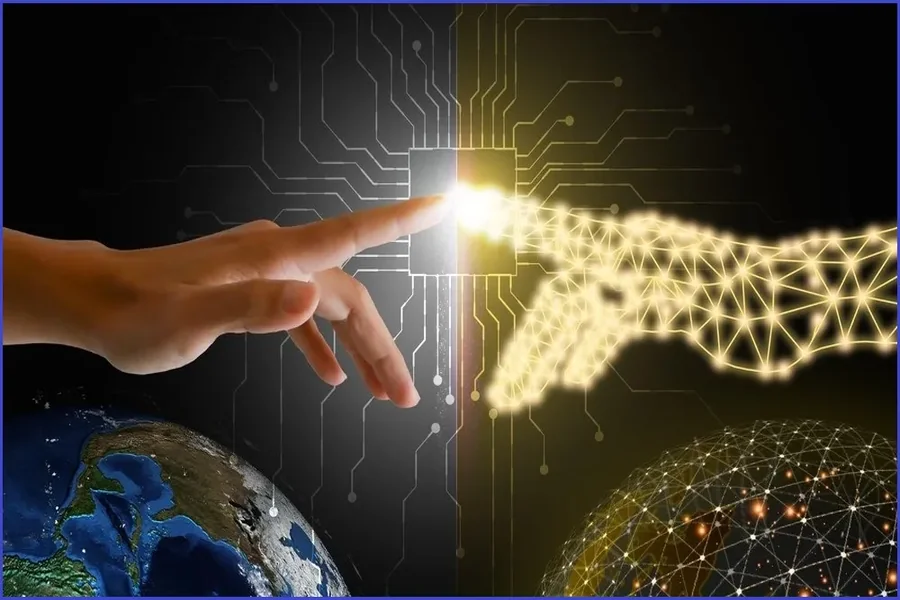
In the glow of boundless screens, we’re more connected than ever and yet more disconnected. We scroll through, swipe through, and stream through pixels that inform but few engage us on a day-to-day basis. Messages come and go and come again with a pace so swift they leave no trace. And yet, somehow, there’s something fantastically earthy about holding something tangible: a well-composed card, a handable poster, or a crumpled flyer that speaks to the eyes as much as to the fingers.
In the midst of the din of endless connectivity, material design is an oasis of silence, a guarantee that human ingenuity still lingers beyond the virtual haze.
When Everything’s Digital, Tangibility is a Luxury
Ten years ago, the dominance of the digital media was celebrated as freedom from print faster, cheaper, and more flexible. Today, it is the reverse that is the norm. Our inbox is full, our feeds are clogged, and attention is the scarcest resource.A piece of print, a postcard, a brochure, a catalog does not feature a notification badge or pop-up notification. It doesn’t disappear when you close a window. It sits there waiting for you, quietly. That very quiet, in an addict culture of refreshes, is revolutionary.When design stays out of the screen, it has intent. It instructs the reader, this was created to be kept, not merely clicked.
The Language of Touch and Texture
Digital design communicates with the eyes; print communicates with the senses. The gentle touch of matte paper, the haptic sense of embossed letters, the subtle odor of ink all evoke a sense memory that cannot be mimicked by pixels.
Neuroscience shows us that touch stimulates lower, emotional and memory-linked regions of the brain. Simply put, we recall what we touch. When a brand posts you some snippets of printed cards, or when you touch your hand against a tactile logo, the experience is personal. It’s not design, it’s contact.
Physical design brings creativity back to the human body. It constantly reminds us how art and communication used to be things we could hold in our hands, fold up, and hand from hand to hand.
The Credibility of Print
Digital media can be edited, revised, or deleted in seconds. That’s powerful, but it makes it throwaway. Print is not. Printed and it’s permanent. If it’s printed, it’s official, it’s grounded like the artist is saying, this is significant enough to be out in the world.
To businesses, that stability equates to trust. A well-crafted brochure or magazine does not merely communicate a message; it communicates sincerity. It tells the receiver that time, effort, and budget was spent on something real. In the age of digital quick-fixes, that sincerity is what shines through.
Print and Digital in Harmony
Physical and digital media are now not opposites, they’re allies. The most effective means of communication employ both. A paper document can drive individuals online to find out something, and a website can drive downloading a printable form or guide.
Design today exists in a hybrid reality where physical and digital environments overlap. Small businesses, for instance, can create branded materials with ease using free printable flyers templates for business at minimal cost, giving them professional-level design without breaking the bank. These materials are crossing points between digital visibility and physical presence.
Print adds emotion to online marketing. It takes an intangible message tangible something a shopper can cradle in her hands, stick on a wall, or pass to a friend.
Why Small Businesses Still Need the Tactile Touch
The best brands globally begin with something tangible: a piece of paper that is replicated, an ad tacked up onto a neighborhood board, a note scrawled on to a box. Those types of moments establish credibility.
Physical design, particularly in small businesses and those within communities, still trumps online advertising in emotional resonance. When a person receives a well-designed printed piece, it’s personal. It implies investment, dedication, and presence.
A nice design doesn’t have to take money out of your account. The goal of using print to start conversation, make memories, and make impressions that won’t vanish when the Wi-Fi is turned off is what matters.
Sustainability: The New Chapter of Print
2025 printing is nothing like printing a decade ago. Printers and designers nowadays take green materials, soy inks, and recycled paper. Sustainability has become a part of creativity itself.
There’s poetry in the change paper once guilty of excess now standing for responsibility when used well. The tactility of touch in recycled stock, the natural hue of eco-paper, or the gentle imperfection of a hand-trimmed edge such decisions bring depth.
Print, today’s era, is not about waste. It’s about meaning. It’s about making fewer, smarter, longer-lasting designs that people want to retain instead of discard.
Personalization and Presence
Technology has not killed print, but has amplified its strength. Digital printing provides space for personalization to an unprecedented level. Every product is printed with an individual’s name, image, or message that is peculiar to the owner.
When that human connection is coupled with the tangibility of print, the result is emotional connection. A signed scribble, a custom-order thank-you note printed exclusively for you, or a regional glance particular to a population these all make people feel heard.
The irony of contemporary design is that the more sophisticated our technology is, the more we seek the handmade, the personal, and the tactile. We seek proof of labor, a sign of humanity in the age of the machine.
Design Psychology: Memory in the Real World
We need friction, the resistive effort of turning the page, the feel of paper between our fingertips. Friction slows us down, making us experience more intensely.
Digital design, lovely as it is, is fleeting in its essence. It’s based on instantaneity. Print is based on presence. And in an era where everyone scrolls over everything, presence is precious enough to be lavish.
It’s why a printed design will always have an air of ceremony. We don’t multitask when we’re reading a physical booklet. We sit, concentrate, and absorb it. That single-minded focus is what every designer secretly dreams of and print automatically gets.
The Future: When Tangible Meets Timeless
The future design isn’t about giving up screens, it’s about bringing touch into the narrative. As digital art, artificial intelligence, and augmented reality keep evolving, physical design is their stabilizing opposite.
We will soon probably wear our screens or cast them into thin air, but when it comes to emotional connections, nothing can substitute the human experience of holding something handmade. The future belongs to those who marry technology with manual creativity and digital brains that harbor a respect for the feel of paper.
The Final Fold: Where Presence Becomes Memory
Physical design persists because it is a response to something deep: our need to engage with the world physically, not merely behold it. In the maelstrom of information and light, the printed object is a whisper of resistance. It is an invitation to pause; this is time well invested.
Touch will always be tangible. Texture will always be tactile. The human touch of design won’t cease to exist; it’s changing, becoming more deliberate, more valuable, and more potent simply because it’s no longer ubiquitous.
It’s finally all about ink and pixels; it’s all about connection. And connection, when made by humans, will always be relevant.
FAQs
1: Why physical design matters despite everything being digital
Because physical design involves more senses touch, sight, even the sense of smell creating emotional, memorable experiences which digital screens can’t even start to match.
2: Is print design sustainable today?
Yes. New printing technology utilizes recycled paper, environmentally friendly inks, and responsibly manufactured, so print is not only creative but sustainable too.
3: How can small businesses afford good print design?
Affordable tools such as free printable flyers template for business enable small enterprises to produce professional-grade print materials within a short span of time and merge them with electronic campaigns.
4: Do print and digital design coexist?
Absolutely. Print and digital design complement one another, print establishes emotional trust, while digital maximizes reach and engagement. Together, they convey a full experience.
5: What is the future of print design?
The future of print is quality not quantity personal, sustainable, touch experiences that deepen digital relationships and remind us creativity is touch.