
Why Wood Fired Hot Tubs Have Become a Genuine Backyard Trend Rather Than a Novelty
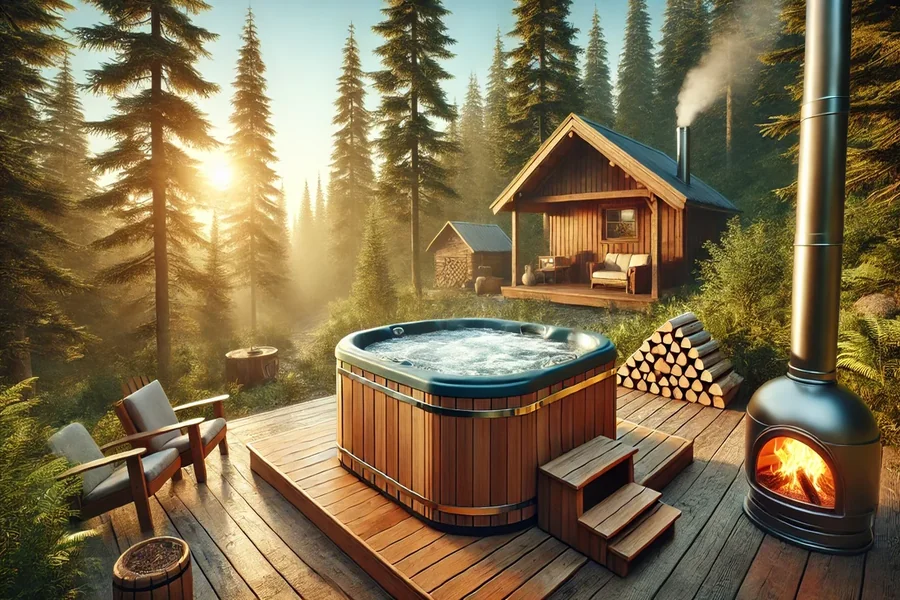
A few years ago, a wood fired hot tub might have seemed like a rustic curiosity, something spotted at a countryside retreat or a Scandinavian cabin rather than a realistic option for a home garden. That perception has shifted considerably. More homeowners are now treating a wood fired hot tub as a genuine addition to their outdoor space, valued for reasons that go well beyond simple novelty.
Why the Appeal Goes Beyond Aesthetics
Wood fired hot tubs carry an undeniable visual charm, but the appeal driving their growing popularity runs deeper than looks alone. Heating water with an actual wood fire, rather than an electric element hidden inside a cabinet, changes the entire experience of using the tub. There’s a ritual to feeding the fire, watching the smoke rise, and waiting for the water to reach temperature that an instant electric heater simply cannot replicate.
This slower, more deliberate process has become part of the draw rather than a drawback. In a world where nearly everything is designed for instant convenience, a wood fired tub offers something intentionally unhurried, an experience that rewards patience rather than eliminating the need for it.
The Environmental Angle That’s Reshaping Buyer Priorities
Beyond the experience itself, environmental considerations have played a meaningful role in the rising interest in wood fired hot tubs. A wood fired system does not rely on constant electricity draw the way a standard electric hot tub does, which appeals to homeowners looking to reduce their reliance on grid power for recreational use.
For buyers already thinking carefully about their household’s energy footprint, a wood fired tub offers a way to enjoy a genuine luxury without the ongoing electricity demand that comes with running an electric heater for hours at a time. This isn’t necessarily about eliminating energy use altogether, but about shifting where that energy comes from and how directly a homeowner controls it.
What to Consider Before Choosing a Wood Fired Model
Anyone considering a wood fired hot tub should understand a few practical realities before making a purchase. Heating time is generally longer than an electric system, often taking a few hours to bring water up to a comfortable soaking temperature depending on the size of the tub and the weather conditions. This isn’t a spontaneous, flip-a-switch experience, and buyers who understand and even appreciate that tradeoff tend to be the happiest with their purchase.
Material and construction quality matter considerably as well. A well-built wood fired tub, constructed from durable timber and fitted with a properly designed internal or external firebox, will hold up to years of regular use far better than a poorly constructed model. Buyers researching options should pay close attention to build quality and firebox design rather than choosing based on price alone.
Placement and Practical Setup Considerations
Where a wood fired hot tub gets installed matters more than many first-time buyers expect. Adequate clearance around the firebox, proper drainage, and a stable, level base are all essential considerations before installation. Positioning also affects the overall experience, since a tub tucked into a scenic corner of the garden, away from direct sightlines from neighbouring properties, tends to get used far more often than one placed as an afterthought near a fence line.
Fuel storage is another detail worth planning for early. A consistent, dry supply of firewood needs to be readily accessible near the tub, and factoring in a covered storage area as part of the overall setup saves considerable hassle once the tub is in regular use.
Why Interest in This Category Keeps Growing
The growing interest in wood fired hot tubs fits into a broader trend of homeowners seeking outdoor additions that feel genuinely experiential rather than purely functional. A wood fired tub isn’t just a place to soak, it’s an entire evening built around fire, water, and time spent outdoors away from screens and daily obligations. That combination has proven to be a considerably stronger draw for many buyers than a purely convenience-driven electric alternative.
For anyone exploring options in this space, a properly constructed Wood Fired Hot tub offers a genuinely different experience from a standard electric model, combining the ritual of building and maintaining a fire with the simple, longstanding pleasure of soaking outdoors regardless of the season.
Making the Decision That Fits Your Lifestyle
Ultimately, choosing between a wood fired and electric hot tub comes down to lifestyle and what a homeowner actually wants from the experience. Buyers who want instant, low-effort access to hot water might find an electric model better suited to their habits. Those drawn to a slower, more involved ritual, and who don’t mind planning ahead for heating time, tend to find a wood fired tub considerably more rewarding over the long run.
Frequently Asked Questions
How long does it typically take to heat a wood fired hot tub? Heating time varies by tub size and outdoor temperature, but it generally takes a few hours to bring the water up to a comfortable soaking temperature, considerably longer than an electric system.
Are wood fired hot tubs more environmentally friendly than electric models? They reduce reliance on grid electricity for heating, which appeals to buyers looking to lower their household’s electricity draw for recreational use, though actual environmental impact depends on the source and type of firewood used.
What should buyers look for in terms of build quality? Durable timber construction and a well-designed firebox, whether internal or external, matter considerably for long-term durability, so it’s worth prioritising build quality over price alone when comparing options.
Where should a wood fired hot tub be placed in a garden? A stable, level base with proper drainage and adequate clearance around the firebox are essential, and positioning it away from direct sightlines tends to encourage more frequent use.
Do wood fired hot tubs require special fuel storage planning? Yes, having a consistent, dry supply of firewood readily accessible is important, and setting up covered storage near the tub as part of the initial installation saves considerable hassle later on.