
What to Do When a Dental Problem Can’t Wait
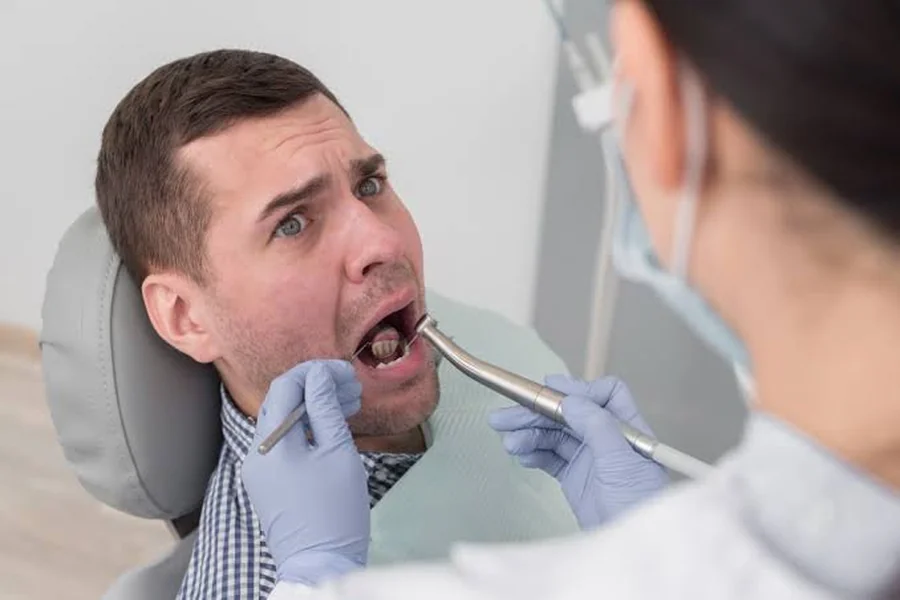
Dental pain has a way of showing up at the worst possible moment — late at night, over a holiday weekend, or right before an important event. Knowing which situations require urgent attention, and which can hold until a regular appointment, takes a lot of the panic out of the moment.
What Actually Counts as a Dental Emergency?
Not every ache needs immediate care, but certain symptoms signal that something more serious is going on. Situations that typically call for urgent attention include:
- Severe, persistent tooth pain that doesn’t ease with over-the-counter pain relief
- A knocked-out tooth, especially in the first hour after it happens
- A cracked or fractured tooth, particularly if it’s painful or has a visible nerve exposure
- Swelling in the face, jaw, or gums, which can indicate an infection or abscess
- Uncontrolled bleeding in the mouth after an injury
- A lost filling or crown that leaves a tooth sensitive or exposed
- Signs of infection, such as fever alongside dental pain or a foul taste that won’t go away
Any of these warrant a same-day or next-day visit rather than waiting for a routine cleaning appointment.
First Steps to Take at Home
While getting to a dentist quickly is the priority, a few immediate actions can reduce damage and discomfort in the meantime.
For a Knocked-Out Tooth
Handle the tooth by the crown, not the root, and try to place it back in its socket if possible. If that isn’t an option, keep it moist in milk or a saline solution — never let it dry out. Time matters here: a tooth reinserted within 30 to 60 minutes has a much better chance of survival.
For a Cracked or Chipped Tooth
Rinse the mouth gently with warm water and apply a cold compress to the outside of the cheek to control swelling. Save any broken pieces if possible, and avoid chewing on that side until it’s been evaluated.
For Severe Pain or Swelling
A cold compress can help manage swelling, and over-the-counter pain medication may ease discomfort temporarily. Avoid placing aspirin directly on the gum, as this can actually irritate the tissue rather than help.
For a Lost Filling or Crown
Over-the-counter dental cement, available at most pharmacies, can temporarily protect the exposed area until a dental visit is possible. Avoid chewing directly on that tooth in the meantime.
Why Timing Matters
Delaying care for a dental emergency rarely makes the problem smaller. An untreated infection can spread beyond the tooth into the jaw or bloodstream, and a knocked-out tooth becomes much harder to save with each passing hour. Patients searching for an emergency dentist, like in Wasilla, are often dealing with exactly this kind of time-sensitive situation, which is why many dental practices set aside same-day slots specifically for urgent cases.
Beyond the physical risks, waiting on treatment often leads to more complex — and more expensive — procedures down the road. A cavity that could have been treated with a simple filling can progress into something requiring a root canal if pain is ignored for too long.
How to Prepare Before an Emergency Happens
A little preparation goes a long way when a dental emergency strikes:
- Know your dentist’s after-hours policy. Some practices offer emergency lines or same-day appointments; knowing this ahead of time saves precious minutes.
- Keep a small dental kit on hand, including gauze, a container for a knocked-out tooth, and temporary dental cement.
- Stay current with routine checkups. Many emergencies — like a weakened tooth finally cracking — stem from issues that were building for a while and could have been caught earlier.
- Address minor issues promptly. A small chip or mild sensitivity is far easier and cheaper to treat before it turns into a bigger problem.
What Happens During an Emergency Visit
An emergency dental visit typically starts with an exam and, if needed, an X-ray to assess the extent of the damage. From there, treatment depends on the issue — this could mean re-securing a knocked-out tooth, placing a temporary or permanent filling, draining an abscess, or prescribing antibiotics if infection is present. In some cases, a follow-up appointment is scheduled once the immediate issue is stabilized, particularly if a crown, root canal, or extraction is needed.
Pain management is usually addressed right away, even if the full treatment plan takes more than one visit. For infections, a dentist may prescribe antibiotics to bring swelling down before performing a procedure like a root canal or extraction, since operating on actively inflamed tissue can be more difficult and less comfortable for the patient.
Common Myths About Dental Emergencies
A few misconceptions tend to keep people from seeking care as quickly as they should:
“If it doesn’t hurt, it’s not serious.” Pain isn’t always a reliable indicator. An abscess can sit quietly for a while before flaring up, and a cracked tooth might not hurt until pressure is applied while chewing. A dentist can catch these issues on an exam even before pain sets in.
“A chipped tooth can wait until my next cleaning.” Even small chips expose the inner layers of a tooth to bacteria, which can lead to infection over time. What starts as a cosmetic concern can turn into a functional one if left unaddressed.
“Emergency rooms are the best option for dental pain.” Hospital emergency rooms can help with pain control and infection in urgent cases, but they’re generally not equipped to perform the actual dental procedures — like fillings, extractions, or root canals — needed to fix the underlying problem. A dental office is usually the more direct path to resolving the issue itself.
Conclusion
Dental emergencies are stressful, but they’re also very treatable when addressed quickly. Recognizing the warning signs and knowing the right first steps can protect both a tooth and a person’s overall health. If something doesn’t feel right, reaching out sooner rather than later is almost always the better call.