
Ditch the Trends. Embrace Vintage Warmth at Home.
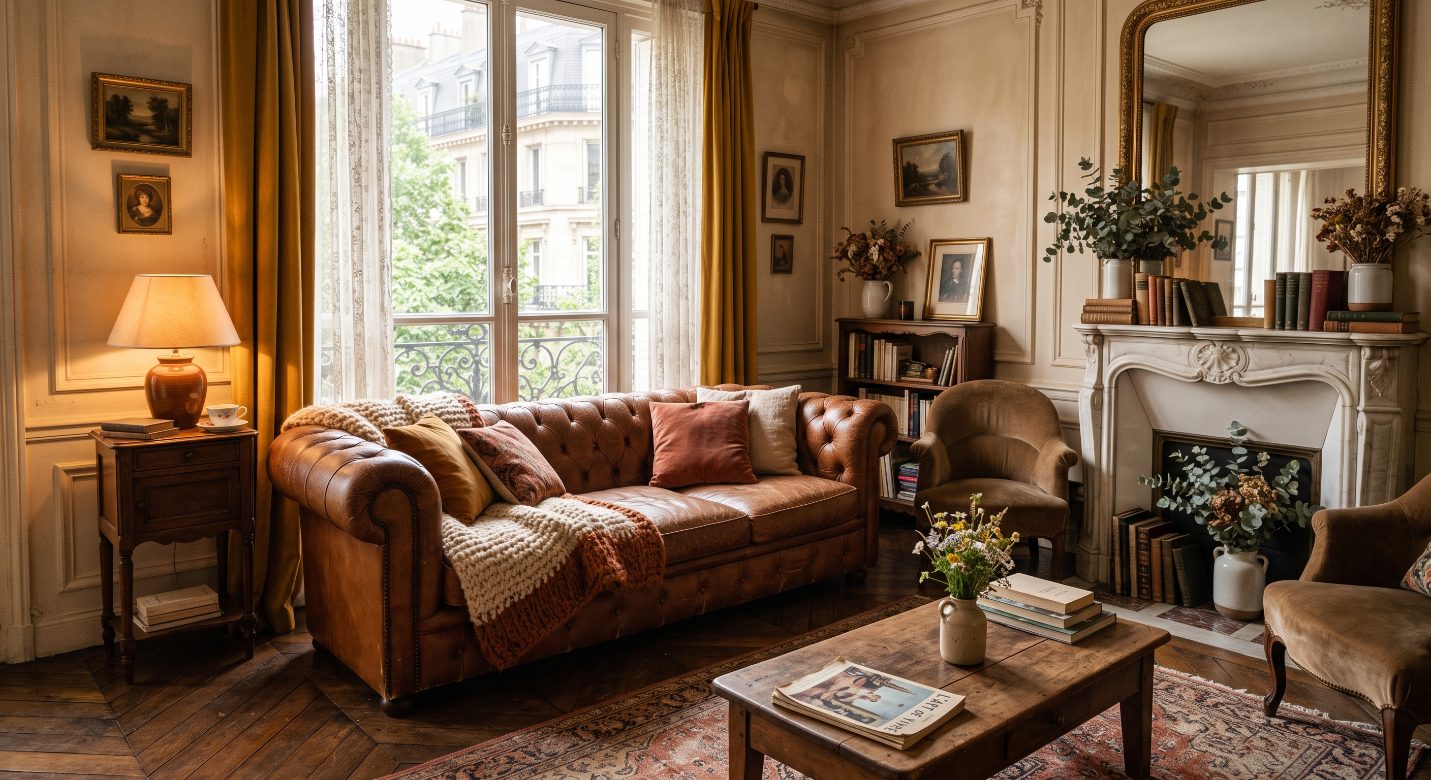
There is a certain point when a home stops feeling like a showroom and starts feeling like a home. It rarely happens because of another fashionable colour, a new design trend, or a perfectly coordinated furniture set. Instead, it comes from pieces that have character—furniture with depth, craftsmanship and a sense of history.
That is the enduring appeal of vintage-inspired interiors. While contemporary design often moves from one trend to another, vintage furniture brings warmth and permanence. A beautifully made sofa, a substantial wooden bed or an intricately carved cabinet can remain relevant for decades because its appeal is not dependent on what happens to be fashionable this year.
The Problem with Trend-Driven Furniture
Interior trends can be useful for inspiration, but building an entire home around them can make a room feel dated surprisingly quickly. Colours change. Silhouettes change. Materials that once seemed luxurious can suddenly feel commonplace.
Vintage-inspired furniture works differently. Its language comes from design traditions that have already stood the test of time. From English and Victorian furniture to French Provincial, Art Deco and Mid Century Modern design, these styles have remained influential precisely because they possess strong proportions, distinctive silhouettes and thoughtful detailing.
The result is a home that feels collected rather than decorated.
Let Leather Sofas Bring the Warmth
Few pieces transform a living room quite like a well-made leather sofa. Unlike heavily styled contemporary seating, leather sofas develop character as they age. Natural variations in the leather, subtle changes in colour and the softening of the upholstery can make the piece feel increasingly personal over time.
For a classic interior, pure leather sofas and genuine leather sofas are particularly effective. A Chesterfield-inspired silhouette, for example, brings associations of old libraries, gentlemen’s clubs and traditional English interiors without making a room feel old-fashioned.
The key is not to overdo it. One beautiful leather sofa can become the anchor of a room, surrounded by wooden tables, upholstered occasional chairs, books, artwork and objects collected over time.
Choose Wooden Beds with Presence
The bedroom deserves the same philosophy. Instead of treating the bed as another disposable piece of furniture, choose one that gives the room architectural presence.
Wooden beds are particularly suited to vintage-inspired interiors because timber introduces warmth, texture and visual weight. A well-proportioned teak bed can work across a variety of interiors, from traditional homes to more contemporary spaces that need an element of warmth.
For those drawn to more dramatic interiors, poster beds and carved beds offer an especially compelling alternative to minimalist bed frames. A four-poster bed can create an almost architectural focal point, while a hand-carved bed introduces craftsmanship that is increasingly difficult to find in mass-produced furniture.
A carved bed does not necessarily need an elaborate bedroom around it. In fact, it can be more powerful when surrounded by restrained walls, natural fabrics and understated lighting. Let the craftsmanship speak for itself.
Vintage Does Not Mean Old-Fashioned
One of the biggest misconceptions about vintage-inspired furniture is that it requires a traditionally decorated home. It doesn’t.
A Louis XVI-inspired chair can sit comfortably beside a contemporary artwork. An Art Deco side table can complement a modern sofa. A pair of carved wooden bedside tables can bring warmth to an otherwise minimalist bedroom.
The secret is contrast.
Vintage furniture becomes particularly interesting when it is not surrounded exclusively by furniture from the same period. Mixing eras creates the feeling of a home that has evolved naturally rather than one that was purchased from a single catalogue.
Invest in Materials, Not Trends
The strongest vintage-inspired interiors also tend to share one characteristic: they prioritise materials.
Solid teak, genuine leather, natural fabrics and carefully finished timber become more beautiful with age. Their imperfections are part of their character. This is fundamentally different from furniture designed around short-term visual appeal.
When choosing furniture, look beyond the immediate appearance. Ask how the piece is made, what materials have been used and whether its construction is intended to last.
A beautifully crafted wooden bed can become part of a family’s story. A leather sofa can acquire a patina that records years of conversations, celebrations and quiet evenings. A carved cabinet can eventually become an heirloom rather than another item destined for replacement.
Create a Home That Looks Collected
The ultimate goal of vintage warmth is not to recreate a particular historical period. It is to create a home with personality.
Mix leather sofas with timber furniture. Pair poster beds with contemporary linen. Place carved furniture against simple architectural backgrounds. Introduce antique-inspired chairs alongside modern lighting. Use books, art, rugs and objects to make the space feel lived in.
Most importantly, resist the temptation to make everything match.
The most sophisticated homes rarely look as though they were completed in a single afternoon. They look accumulated. They contain pieces that were chosen because they meant something – not simply because they were fashionable.