
Why Truck Crash Claims Involve Far More Parties Than Auto Cases
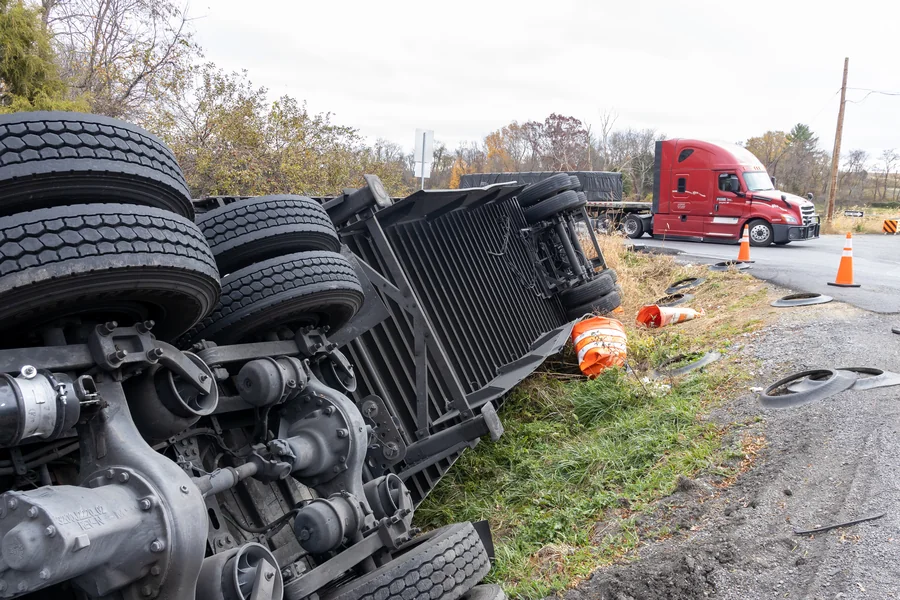
Atlanta’s highways carry a constant mix of commuter traffic and commercial trucks, making serious collisions more likely to involve complex legal questions than the average passenger vehicle crash. When a tractor-trailer is involved, the investigation often extends well beyond the drivers at the scene. Commercial transportation depends on multiple businesses, safety procedures, and regulatory obligations, so determining responsibility requires a careful look at everyone who played a role before the truck ever reached the road.
More Than One Driver
Many families reach an Atlanta truck accident lawyer after learning that a police report names far more than the person in the cab. A commercial trip may involve the carrier, a dispatcher, a freight broker, a loading crew, a repair vendor, and several insurers. Each party may control a safety decision. That shared control can turn one highway collision into a claim with several defendants and competing defenses.
The Carrier Faces Direct Exposure
The trucking company often sits at the center of the case. Hiring shortcuts, weak supervision, skipped inspections, or punishing delivery schedules may all point back to management choices. Liability may rest on corporate conduct even before anyone studies the driver’s last few seconds. If prior violations were ignored, that history can matter. Car crash claims rarely require such a close review of internal business practices.
Cargo Decisions Matter
Freight can create danger long before tires touch a Georgia highway. A trailer loaded unevenly may sway, jackknife, or roll during an ordinary lane change. Weight errors can lengthen stopping distance and strain braking systems. Shippers and warehouse crews may also fail to secure pallets or mark hazardous contents. Once cargo is involved, the case often expands to contracts, scale tickets, and warehouse records.
Parts Failures Bring In Product Claims
Some truck wrecks begin with equipment failure, rather than driver conduct alone. A blown tire, failed brake chamber, cracked coupling device, or steering defect can erase control in seconds. When a part breaks during ordinary use, the manufacturer or distributor may face scrutiny. Preserving damaged hardware becomes critical. Standard auto cases do not often require the same level of engineering review and product analysis.
Maintenance Vendors Can Share Fault
Many fleets rely on outside shops to inspect and service working vehicles. Those mechanics sign off on brakes, tires, lights, suspension parts, and steering components under demanding timelines. If unsafe equipment was cleared for service, that approval may become central proof. Repair invoices and inspection notes can show what was found, what was missed, and what should have kept the truck off the road.
Federal Rules Change the Case
Truck claims often turn on federal safety rules that govern driving hours, inspection duties, substance testing, and record retention. Those standards help measure what the driver and carrier were expected to do before a trip began. A rule violation does not decide fault by itself, yet it can quickly sharpen the issues. Ordinary car wreck disputes depend far less on national operating requirements.
Electronic Data Adds New Witnesses
Commercial vehicles generate far more digital evidence than most private cars. Electronic logging devices may show rest periods, route changes, and driving time before impact. Engine control data can capture speed, braking, throttle input, and sudden maneuvers. Dispatch systems may reveal pressure from unrealistic delivery windows. These records often confirm or contradict witness accounts. That extra proof can reshape the entire liability picture.
Insurance Becomes a Corporate Contest
Large trucks usually carry commercial insurance with much higher limits than private vehicles. Higher coverage often brings tougher defense tactics, broader investigations, and faster efforts to shift blame elsewhere. One insurer may argue that a broker, shipper, or service vendor caused the harm. Another may dispute medical loss values. A routine car claim rarely involves so many funded interests working to reduce financial exposure.
Local Roads, National Chains
A crash on one Atlanta roadway may still involve companies based far outside Georgia. One business may own the tractor, another may lease the trailer, and a third may arrange the freight movement. That spread can affect witness access, document collection, and filing strategy. Wider corporate networks usually mean more records to review, more lawyers to answer, and more effort before the case becomes clear.
Conclusion
Truck crash claims involve more parties because commercial hauling spreads responsibility across drivers, carriers, brokers, mechanics, shippers, and equipment makers before any impact occurs. One collision can raise questions about hiring, loading, inspection failures, maintenance work, defective parts, and compliance with rules at the same time. That broader picture makes these cases harder than ordinary auto claims, yet it also creates more paths to accountability and full financial recovery.