
When to Contact Personal Injury Attorneys After a Bad Car Crash
Richmond’s busy streets, highways, and growing communities mean that a serious car crash can quickly turn an ordinary day into a complicated period of medical, financial, and legal uncertainty. While immediate medical attention should come first, injured drivers may soon face insurance calls, mounting expenses, questions about responsibility, and decisions that could influence their ability to recover compensation.
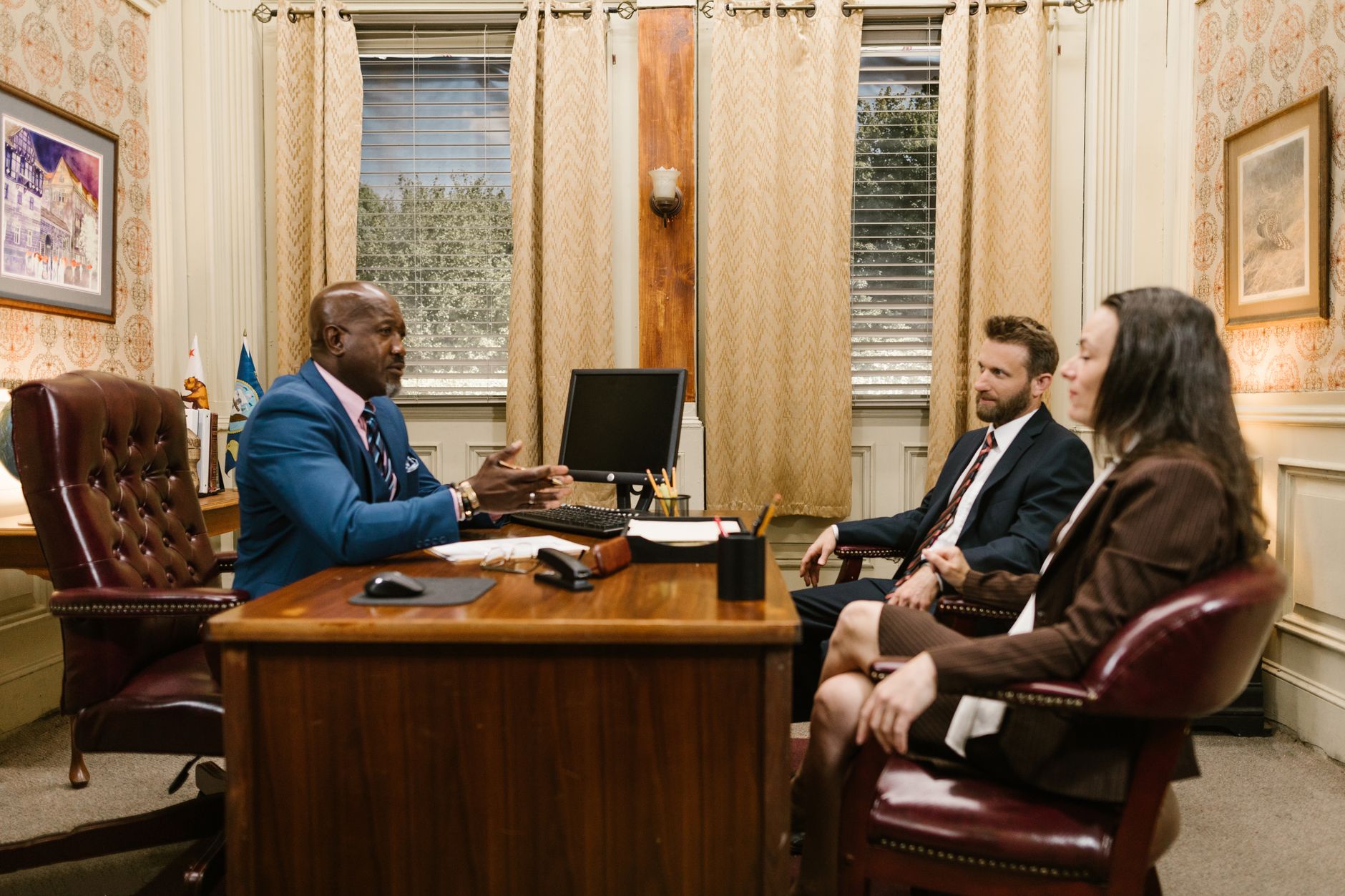
Knowing when to seek legal guidance can therefore be just as important as knowing what to do at the scene of the accident. Waiting too long may make it harder to preserve evidence, understand applicable deadlines, or respond effectively when an insurer begins evaluating the claim. At the same time, not every collision requires the same level of legal involvement, making the circumstances surrounding the crash particularly important. For those dealing with substantial injuries, disputed responsibility, or growing losses, consulting personal injury attorneys in Richmond can provide clarity on the appropriate next steps before important options become harder to preserve.
Contact a Lawyer After Serious Injuries
A consultation should happen quickly when a crash causes hospitalization, surgery, broken bones, head trauma, spinal damage, or lasting pain. Serious injuries often require extended treatment, rehabilitation, and time away from work, so the final financial impact remains unclear.
An experienced legal team can review medical records, wage losses, crash evidence, and insurance communications before those decisions are made that affect the claim. Some symptoms appear hours or days after impact. A prompt medical evaluation creates a record of the injury and connects treatment to the collision. Delayed care gives an insurer an argument that the crash did not cause the reported condition.
Seek Advice Before Speaking With Insurers
Insurance adjusters often contact injured drivers soon after a collision. Their questions can seem routine, but a recorded statement can create admissions about speed, attention, or physical condition. An injured person should provide basic accident information, then avoid guessing about fault or future recovery. A lawyer can manage communications and identify statements that could reduce the available compensation.
Early settlement offers also require careful review. The first payment rarely accounts for later medical care, lost earning capacity, vehicle-related losses, or continuing symptoms. Signing a release usually ends the claim, even when treatment is incomplete.
Call When Fault Is Disputed
Legal advice becomes especially important when another driver blames the injured person. Virginia follows a strict contributory negligence rule. A claimant who shares even a small percentage of fault can lose the right to recover damages. Police reports, photographs, traffic-camera footage, vehicle data, witness accounts, and medical records can help establish what happened. Evidence becomes harder to locate as time passes, especially when vehicles are repaired or witnesses forget details.
A lawyer can also examine whether another party contributed to the crash. Commercial drivers, vehicle owners, employers, and manufacturers sometimes create separate issues that require different evidence and insurance coverage.
Get Help When Losses Keep Growing
A claim deserves prompt review when medical bills, prescription costs, therapy expenses, or missed paychecks continue to accumulate. A complete damage assessment requires more than adding invoices already received. Future treatment, reduced work capacity, permanent impairment, and household assistance can affect the claim’s value. Medical opinions and employment records often support these losses, particularly when an injury changes a person’s ability to perform regular duties.
Act Before Deadlines Create Pressure
Virginia law imposes deadlines for filing many personal injury lawsuits. The exact deadline depends on the claim, the parties involved, and the facts surrounding the collision. Government vehicles, uninsured drivers, wrongful death claims, and minors can create different procedural requirements. An injured driver should not assume that an insurance conversation pauses a legal deadline.
A consultation does not require an immediate lawsuit. It gives the injured person a clearer timeline, identifies evidence to preserve, and explains which documents deserve attention first.
Conclusion
The safest time to contact a personal injury lawyer is soon after a serious crash, before evidence disappears and before an insurer receives a detailed statement. Medical treatment remains the first priority, followed by preserving records and avoiding unsupported comments about fault. Anyone facing disputed liability, significant injuries, rising expenses, or a settlement offer should promptly schedule a case review. That step can clarify deadlines and protect decisions that affect the claim.