
Why Phones Cannot Replace Professional Photographers at Your Wedding
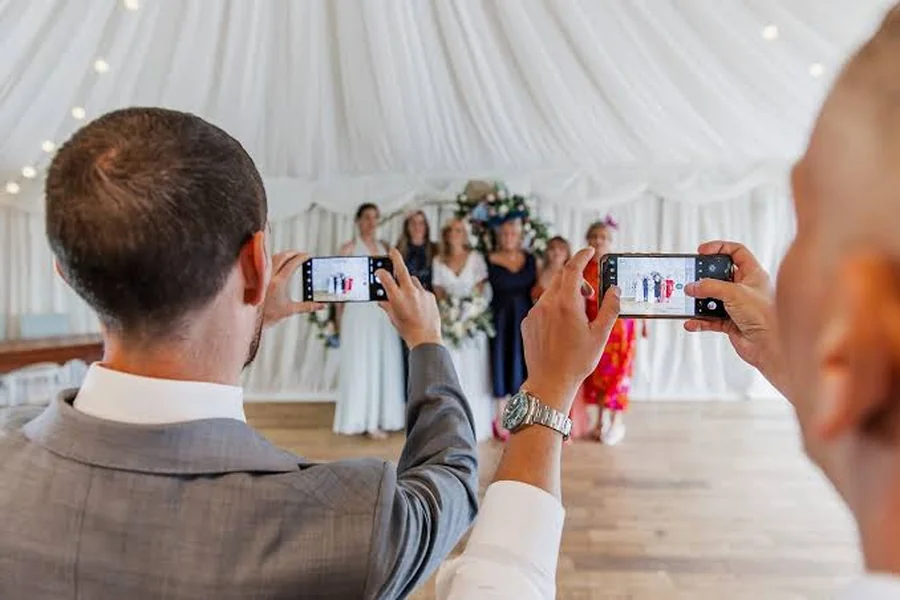
Modern smartphones feature remarkable technology. High-resolution sensors, computational image processing, and multi-lens camera systems make capturing sharp everyday photos effortless. When planning a wedding, it can be tempting to think that a fleet of enthusiastic guests equipped with the latest mobile devices might be enough to document the big day. However, a wedding is not a controlled photo shoot or a simple gathering; it is a fast-moving, high-stakes live event filled with unpredictable lighting, emotional moments, and once-in-a-lifetime interactions. While mobile phones excel at quick, casual snaps, they simply cannot replace the expertise, artistry, and technical precision of a dedicated professional who understands how to navigate the complex dynamics of a wedding celebration.
Navigating Complex and Unpredictable Lighting
A smartphone camera relies heavily on software to simulate depth of field, balance exposure, and enhance colors. In ideal outdoor sunlight, the results often look crisp on a small screen. However, wedding venues present complex lighting environments such as dim candlelit reception halls, direct mid-day sun during outdoor vows, or vibrant dance floors lit by rotating party lights. Tiny smartphone sensors struggle significantly in low light, producing noise, motion blur, and artificial-looking processing artifacts. Hiring an experienced wedding photographer ensures that your memories are captured with high-dynamic-range professional camera systems, fast prime lenses, and off-camera flash setups designed to handle any lighting scenario effortlessly.
The Limits of Mobile Computational Photography
The technical gap between consumer devices and professional gear becomes glaringly obvious when analyzing dynamic range and optical quality. While mobile computational photography attempts to blend multiple exposures into a single shot, it frequently creates unnatural halos around subjects, flattens skin tones, or struggles with high-contrast scenes like a white wedding dress standing next to a dark tuxedo. According to a Hobart wedding photographer, professional full-frame and medium-format camera systems, combined with high-grade optical glass, capture subtle tonal transitions and true color fidelity naturally. This allows for rich, true-to-life images that maintain visual depth, crisp textures, and authentic highlights without relying on digital sharpening algorithms that can degrade image quality.
Anticipating Emotions and Mastering Composition
Beyond raw camera specifications, the true value of a professional lies in their mastery of light, composition, and timing. Photographers spend years training their eyes to anticipate emotion before it happens—the subtle tear during the speeches, the brief glance between newlyweds during a quiet moment, or the spontaneous laugh during preparation. A smartphone user is inherently reactive, raising their device after a moment begins and often missing the peak action. A seasoned professional works proactively, positioning themselves to capture clean, balanced compositions without intruding on the intimate atmosphere of the event.
Directing Crowd Dynamics and Flattering Poses
Furthermore, managing human dynamics during a fast-paced wedding requires leadership and interpersonal skills that no mobile app can replicate. Directing large family formals, keeping anxious bridal parties relaxed, and coordinating with venue staff to keep the day running smoothly on schedule are essential parts of the job. A professional knows how to command attention gently yet effectively, ensuring family photos are completed efficiently so everyone can return to celebrating. They also know how to guide couples into natural, flattering poses that feel comfortable rather than forced, transforming awkward moments into genuine visual expressions of connection.
Key Differences at a Glance
| Aspect | Smartphone Photography | Professional Wedding Photography |
| Low-Light Capability | Heavy digital noise, software smoothing | Clean details, controlled off-camera light |
| Depth of Field | Simulated software blur (edge artifacts) | True optical bokeh with fast prime lenses |
| Timing & Direction | Reactive snapshots, distracted guests | Proactive story capturing, gentle posing guidance |
| Final Deliverables | Compressed JPEGs for web viewing | Color-corrected, high-res archival images |
Preparation, Backups, and Event Reliability
Another critical distinction is the level of planning and reliability that professionals bring to a wedding day. A wedding photographer does not simply show up and press a button. They conduct location scouting, coordinate with event planners to build seamless photography timelines, and carry duplicate backup camera bodies, lenses, and memory cards to eliminate any risk of equipment failure. In contrast, relying on phone cameras leaves your irreplaceable memories subject to dead batteries, full storage warnings, incoming phone notifications, and mismanaged files scattered across dozens of guests’ devices.
Data Security and Professional Protection
Professional risk management extends far beyond physical gear redundancy. Full-time photographers maintain strict data management workflows, utilizing dual-slot memory cards that write every image to two separate physical cards simultaneously as they shoot. Once the event concludes, these files are immediately transferred to redundant local storage drives and encrypted cloud backup systems before editing even begins. Additionally, reputable professionals carry comprehensive public liability insurance and professional indemnity coverage, protecting the venue, the couple, and the guests against unexpected accidents or liabilities throughout the event.
Image Editing: From RAW Data to Artistry
Furthermore, the post-processing and archival quality of professional imagery set it apart. Professionals capture images in uncompressed RAW formats, retaining immense image detail that allows for precision color grading, exposure balancing, and shadow recovery. These high-resolution files are tailored to produce large, beautiful physical prints and heirloom family albums that last for generations. Smartphone photos, while pleasant on a screen, often reveal heavy compression, over-sharpening, and digital noise when enlarged for wall art.
The editing process itself is an art form that requires extensive software expertise and artistic consistency. A professional photographer spends dozens of hours refining a wedding gallery, carefully adjusting individual color channels, smoothing skin tones naturally, and ensuring cohesive color harmony across hundreds of images taken in vastly different lighting conditions throughout the day. This level of meticulous curation transforms a collection of raw photos into a polished, editorial visual narrative. Mobile filters and automatic phone presets simply cannot provide the tailored balance, subtle tonal consistency, and timeless aesthetic required for permanent wedding keepsakes.
Creating Tangible Heirlooms for Generations
When considering the long-term tangible outcome of your wedding, physical heirlooms play an irreplaceable role. High-resolution professional files allow for custom-designed, museum-grade leather-bound albums and archival canvas or acrylic wall art prints designed to resist fading for over a century. Smartphone images, which are heavily compressed into 8-bit JPEG formats, lack the color bit-depth and resolution necessary for large-format printing, leading to pixelation, color banding, and loss of fine detail. Investing in professional image capture guarantees that your heirloom physical albums remain striking visual treasures for your children and grandchildren.
Conclusion: A Timeless Investment
Ultimately, investing in professional wedding photography is an investment in how you will remember one of the most important days of your life. While smartphones are wonderful tools for sharing quick glimpses of everyday moments, a professional photographer brings the creative vision, technical mastery, and reliable craftsmanship required to turn your wedding day into a timeless visual story.