
Pest Control for Garages and Workshops: Managing the Conditions That Encourage Pest Activity
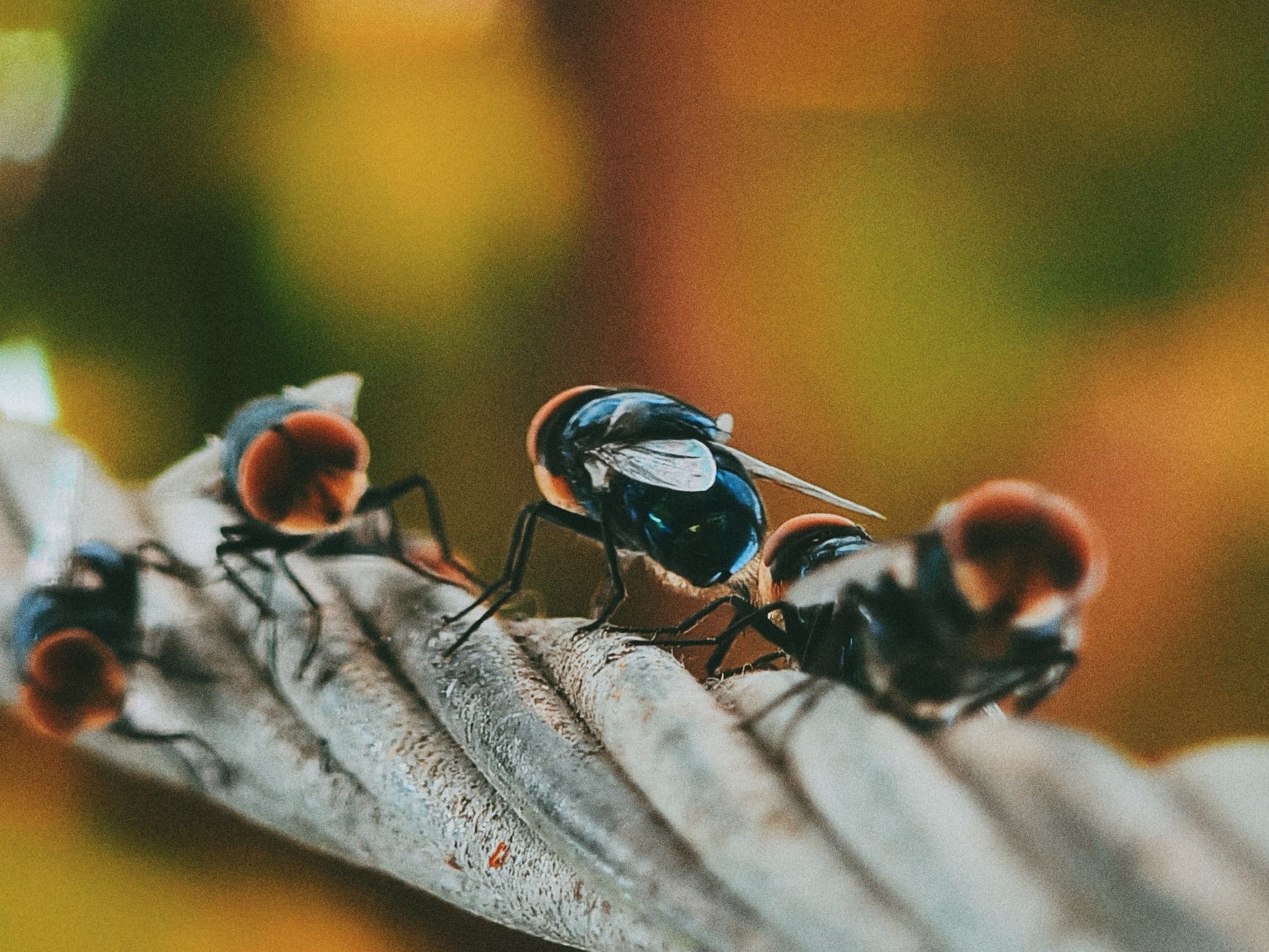
Garages and workshops serve many purposes beyond vehicle parking. They often hold tools, seasonal equipment, recycling, gardening supplies, pet food, lumber, and belongings that do not fit inside the main house. Pest Control becomes particularly relevant in these spaces because frequent door movement, storage density, and connections with outdoor areas can create conditions that deserve regular attention.
A pest sighting in a garage does not automatically indicate a widespread household infestation. Some insects may enter briefly through an open door, while other evidence can suggest that pests have found reliable food, shelter, or access. The location and frequency of signs provide more useful information than one isolated encounter.
Homeowners can make garages easier to monitor without turning them into empty rooms. Better organization, sensible food storage, routine cleaning, and attention to exterior openings can reveal changes earlier. Agile Pest Control can assess suspicious evidence when residents need professional identification or help understanding the extent of activity.
Start With the Main Garage Door
A garage door creates one of the largest movable openings in the home. Weather seals can wear, tear, shift, or leave gaps along the bottom and sides as components age.
Homeowners can inspect visible seals while the door is closed and note areas where daylight appears around edges. Damage does not prove pests are entering there, but obvious openings deserve maintenance attention.
The area around the door should remain reasonably clear as well. Leaves, cardboard, containers, and other debris near exterior edges can make changes harder to notice during routine observation.
Organize Storage Without Creating Hidden Zones
Garages naturally accumulate belongings because they provide convenient storage outside living rooms. Problems develop when boxes, bags, equipment, and unused materials remain packed tightly against walls for long periods.
Keep Important Edges Visible
Leaving reasonable access along selected wall sections makes cleaning and observation easier. Homeowners can notice droppings, nesting material, damaged packages, or insect activity without moving an entire room of stored possessions.
Shelving can improve organization when appropriate for the space. Clearly labeled containers also reduce the need to disturb several unrelated items whenever one seasonal belonging is needed.
Store Pet Food and Seed Carefully
Garages commonly hold pet food, birdseed, grass seed, and other materials that may attract unwanted attention if packaging becomes damaged. Paper and thin plastic bags can also deteriorate during long storage.
Suitable closed containers can make these supplies easier to manage. Spilled material should be cleaned rather than left beneath shelves, appliances, or workbenches where it receives little attention.
Homeowners should periodically check older packages before opening new ones. Gnaw marks, holes, scattered contents, or unexplained debris may provide useful evidence when investigating possible activity.
Pay Attention to Workbench Areas
Workbenches can become permanent collection points for scraps, containers, rags, packaging, and unfinished projects. Small objects often fall behind cabinets or beneath benches where routine sweeping does not reach.
Cleaning these areas periodically improves visibility without requiring a spotless workshop. The goal is to remove unnecessary material that can conceal evidence or provide undisturbed shelter.
Agile Pest Control may examine activity patterns around work areas if suspicious signs appear. Knowing whether evidence was found near stored food, exterior walls, plumbing, or clutter can provide useful context during an assessment.
Check the Door Leading Into the House
An attached garage usually has a doorway connecting it with the living area. This transition deserves attention because activity in the garage does not necessarily need to remain there.
Homeowners can observe the condition of the door and surrounding seals without altering required safety features. Gaps, damaged components, or doors that do not operate properly may require appropriate building maintenance.
Frequently carrying boxes and equipment through this entrance can also move unnoticed insects indoors. Inspecting questionable stored items before bringing them into living spaces is a practical habit.
Manage Recycling and Household Waste
Recycling containers may hold residue from cans, bottles, food packaging, and other household products. Garbage stored temporarily in a garage can create stronger odors and additional food opportunities.
Containers should be managed according to local collection routines and kept reasonably clean. Spills around bins deserve attention, particularly when sticky residue reaches floors or nearby storage.
Waste areas can also provide useful monitoring locations. Repeated droppings, damaged bags, or insect activity around the same containers may indicate a pattern worth investigating rather than a random sighting.
Review Seasonal Equipment Before Moving It
Camping supplies, sports equipment, holiday decorations, garden tools, and outdoor furniture may remain untouched for months. During that time, boxes and equipment can provide concealed spaces where evidence goes unnoticed.
Before carrying stored belongings indoors, homeowners can inspect accessible surfaces and containers. Damaged cardboard, nesting material, droppings, or unfamiliar insects should be documented if identification may be necessary.
This routine is especially useful when items have also spent time in sheds or outdoor storage. Their movement between locations can otherwise make the origin of suspicious evidence difficult to determine.
Avoid Letting Lumber Become Permanent Clutter
Home workshops often contain leftover boards, trim, cardboard, and project materials kept for future use. Useful supplies can gradually become unmanaged piles when they remain untouched for years.
Materials should be stored so homeowners can still inspect the surrounding floor and walls. Damp or deteriorating wood deserves separate attention because its condition may involve moisture, age, or other building concerns.
Wood damage should not automatically be attributed to insects. Professional identification can help distinguish pest evidence from deterioration with another cause.
Watch for Plumbing and Moisture Conditions
Some garages contain utility sinks, water heaters, laundry equipment, refrigerators, or plumbing lines. Leaks and condensation around these features can create damp locations that remain unnoticed behind stored belongings.
Homeowners can periodically check accessible areas for staining, standing water, damaged materials, or recurring moisture. Repairing a plumbing problem remains a separate maintenance task even when pest activity occurs nearby.
Pest Control assessments may consider moisture as one part of the surrounding environment. It should not be treated as proof that a particular pest is responsible for activity.
Keep Outdoor Vegetation From Hiding Access Areas
Shrubs, vines, weeds, and stored garden materials can reduce visibility around garage walls. Dense growth may also make it difficult to inspect exterior edges, vents, doors, and utility penetrations.
Routine trimming can preserve practical access without requiring bare landscaping. Homeowners should also avoid allowing unused pots, bags, or yard materials to accumulate against exterior walls.
Agile Pest Control can evaluate relevant exterior evidence when activity appears connected with the garage. Clear access helps professionals examine suspicious areas without first navigating unnecessary obstructions.
Respond to Evidence Before Rearranging Everything
Finding droppings or an unfamiliar insect can prompt homeowners to empty the entire garage immediately. Large-scale rearranging may remove useful evidence and make it harder to determine where activity was concentrated.
Photographs and simple notes can preserve the original location. Residents can identify whether signs appeared near a door, storage area, food supply, workbench, or interior connection.
Once the evidence is understood, cleaning and organization can proceed with better direction. This approach avoids treating every stored item as though it carries the same level of concern.
Make the Garage Easier to Monitor
Garages and workshops do not need household-level tidiness to remain manageable. They benefit most from accessible walls, organized storage, contained food supplies, functional doors, and periodic cleaning of overlooked areas.
Pest Control works more effectively as part of this broader awareness rather than as a reaction to every insect entering through an open garage door. Repeated physical evidence provides a stronger reason for investigation than occasional outdoor pests wandering inside.
A well-organized garage also supports ordinary property maintenance. By preserving visibility, checking stored materials, addressing moisture, managing waste, and documenting suspicious signs before major cleanup, homeowners can better distinguish temporary pest encounters from activity that deserves professional attention.