
Rethinking family dental care: A practical guide to preventative dentistry
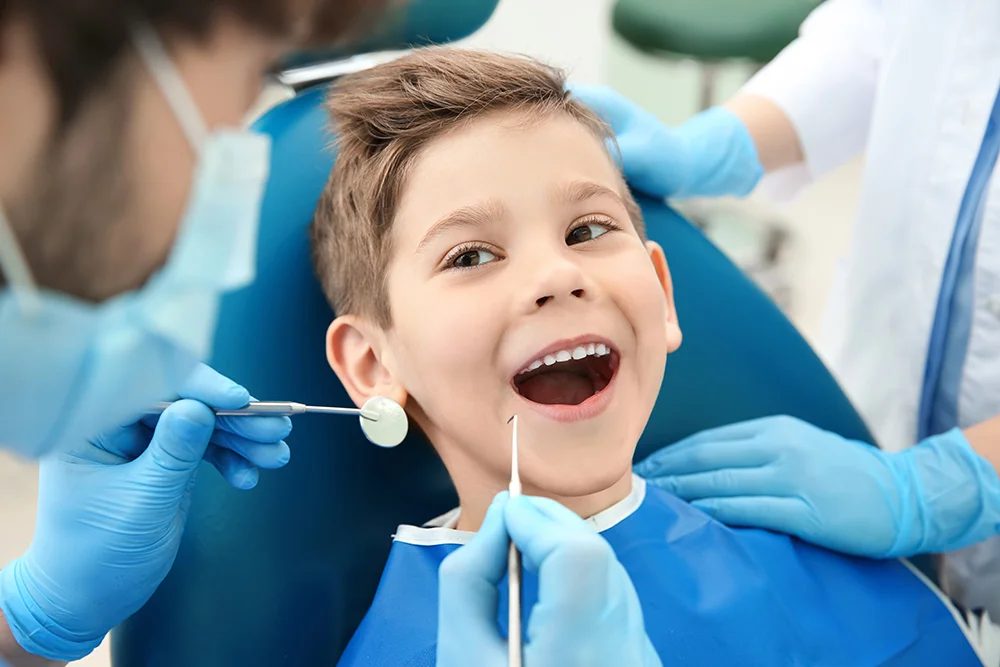
I constantly hear parents express frustration about their kids' teeth. They buy the expensive electric toothbrushes, police the candy stash, and somehow still end up in the dentist's chair staring at a treatment plan for three fillings. The disconnect happens because most families treat dental care as an emergency service rather than a daily maintenance protocol.
We wait for something to hurt, or we rely entirely on a frantic brush before a six-month checkup to undo months of minor neglect. Moving from a reactive mindset to a preventative one saves money, preserves natural enamel, and eliminates the anxiety that keeps people away from the clinic in the first place.
This guide breaks down exactly what a sustainable preventative oral health strategy looks like for the whole family, from grocery shopping habits to navigating your local clinic options.
The biology of decay and why we miss it
Most people misunderstand how cavities actually form. It is not just about sugar sitting on a tooth. It is about an acidic environment.
When you eat carbohydrates, the bacteria naturally present in your mouth feed on them and excrete acid. This acid pulls minerals out of your tooth enamel. If your mouth stays acidic for too long, the enamel weakens until a physical hole forms.
Saliva naturally neutralizes this acid and deposits minerals back into the teeth. The problem arises when we snack continuously throughout the day. A child who sips on diluted apple juice over three hours is at a much higher risk for decay than a child who eats a slice of chocolate cake in ten minutes and then drinks water.
We also tend to overlook hidden sticky carbohydrates. Parents often ban chocolate but hand over bags of pretzels, crackers, or sticky dried fruit. These starchy foods turn into a paste that gets trapped in the deep grooves of molars, feeding bacteria for hours. Restricting snacks to designated mealtimes allows saliva to do its job and rebuild the enamel between meals.
Building a non-negotiable home routine
The tools you use at home dictate what happens in the dental chair. A manual toothbrush is entirely adequate if used with perfect technique, but very few people have perfect technique.
Electric toothbrushes remove human error from the equation. The oscillation breaks up plaque biofilms far more effectively than manual scrubbing. Investing in a basic electric model for every family member pays for itself by preventing just one filling.
Flossing remains the most universally skipped step in personal hygiene. Toothbrush bristles physically cannot reach the contact points between teeth, which is exactly where most adult cavities start. If traditional string floss causes sensory issues or frustration for younger children, try floss picks or water flossers. A water flosser does not replace string floss entirely, but it drastically reduces plaque compared to brushing alone.
You also need to look at toothpaste ingredients. Fluoride remains the gold standard for strengthening enamel. However, nano-hydroxyapatite is gaining traction as a highly effective alternative for families who prefer fluoride-free options. Hydroxyapatite is the exact mineral your teeth are made of, and clinical trials show it remineralizes early lesions effectively.
Evaluating your clinical partner
Home care will only get you so far. Calculus, the hardened form of plaque, can only be removed with professional steel instruments. Finding a dental practice that aligns with a preventative philosophy is critical for long-term health.
I recommend looking for clinics that prioritize education over aggressive intervention. When a dentist finds a "watch spot", which is a very early stage of demineralization, they should offer strategies to remineralize it at home rather than immediately reaching for the drill. You want a provider who takes baseline photographs and measures gum pocket depths at every visit so you can track changes over time.
Modern clinics should also use technology to build trust. Intraoral cameras allow the dentist to show you exactly what is happening in your mouth on a monitor. When you can see a hairline fracture or a failing filling with your own eyes, you can make informed decisions rather than just taking a professional's word for it.
Location and accessibility play a massive role in consistency. People skip appointments when getting to the clinic is a logistical nightmare. It helps to review local directories and see how different practices communicate their services. For example, if you live in the Bay Area, you might check out this dentist in redwood city ca to see how a modern clinic structures its preventative and family services online before booking an appointment. Examining a practice's website can tell you immediately if they focus on comprehensive health or just push cosmetic makeovers.
Breaking the cycle of dental anxiety
Fear of the dentist is largely learned behavior. Parents often unintentionally project their own traumatic childhood dental experiences onto their kids. Using the dentist as a threat guarantees a miserable clinical experience. I have heard parents tell toddlers they will get a shot if they do not brush their teeth. This instantly frames the clinic as a punishment center.
Change the narrative at home. Talk about the dentist as a health coach rather than a mechanic. Schedule happy visits for toddlers where no actual work is done, allowing them to ride in the chair and touch the small mirrors. Familiarity breeds comfort.
For adults carrying decades of dental anxiety, transparency is the best cure. Modern dentistry offers numerous ways to manage pain and discomfort, from topical numbing gels to nitrous oxide. Communicate your fears directly to your hygienist. A professional team will adjust their pace, explain every step before it happens, and establish a clear stop signal if you need a break.
Taking control of your family's oral health
Oral health is not a mystery of genetics. While some people naturally have weaker enamel or a drier mouth, the vast majority of dental disease is entirely preventable through consistent habits and regular professional oversight.
The shift requires treating your teeth with the same daily respect you give your cardiovascular system or your physical fitness. It means buying the right tools, understanding the science of decay, and partnering with a clinician who genuinely wants to keep you out of the operative chair.
What is the biggest hurdle your family faces when it comes to maintaining a consistent dental routine?