
Inside a Modern Strength Area, The Equipment That Helps Support Different Training Goals
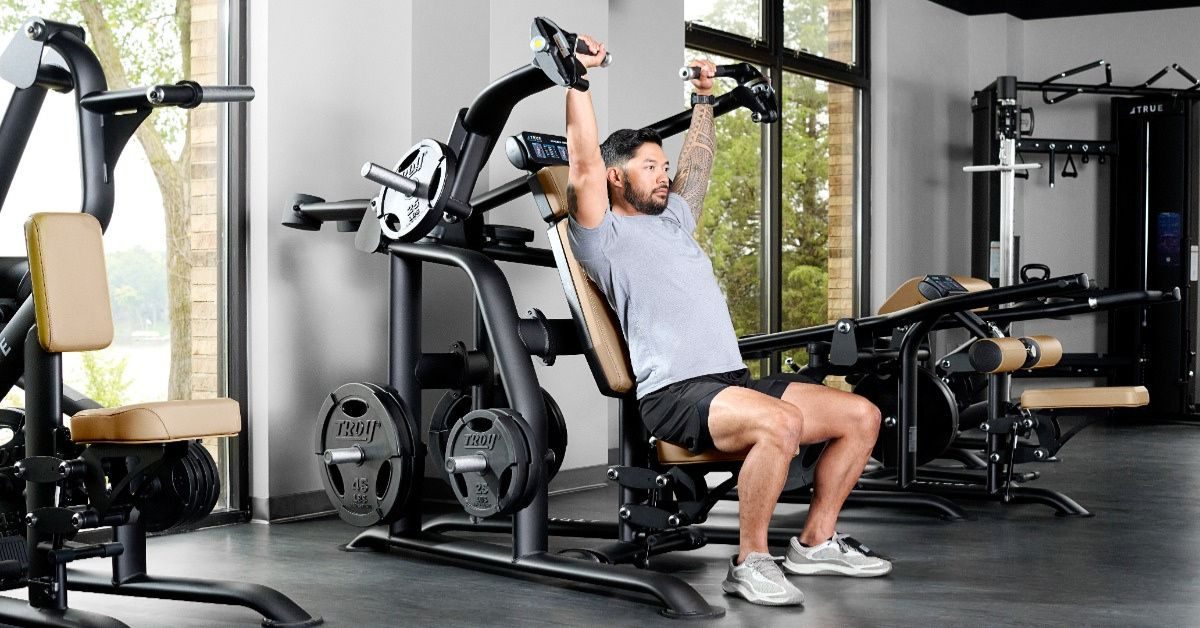
A well-designed strength area must do more than just house a collection of weights and machines. It should support a variety of training goals, be suitable for a wide range of users, and allow them to complete their workouts without interruptions. From beginners building basic strength to athletes working on performance, the appropriate choice of equipment contributes to a more holistic training environment.
For facility owners and managers planning commercial gym fitouts, the problem is determining which equipment deserves space and how each item contributes to the entire offer. Chest press machines, free weights, functional training stations, and core equipment all serve different purposes. When these aspects work together, the end result is a strength area that can accommodate a wide range of training needs while minimising floor space.
Building a Balanced Foundation with Strength Training Equipment
Strength training is rarely limited to a single form of exercise. A well-balanced workout setting should allow for pushing, pulling, squatting, hinging, and other basic movement patterns. This enables users to train different muscle groups while adhering to plans tailored to their experience and goals.
Resistance machines can give a structured beginning point for people new to training, whereas free weights allow users to improve strength through a broader range of motions. Neither must replace the other. Their worth stems from how they complement one another inside the same location.
Where Chest Press Machines Fit In
Chest Press Machines are a useful option when designing a strength area because they give a separate station for upper-body pushing workouts. They are suitable for users who prefer a guided movement route as well as those who incorporate machine-based exercises within a larger training plan.
Their positioning is also important. Positioning equipment with enough clearance for access, exit, and movement around the station contributes to a more ordered training floor. The goal is not just to fit more equipment into the room, but also to make each station accessible and functional.
Combining Free Weights with Machine-Based Training
A selection of dumbbells, barbells, benches, and appropriate racks allow users to do workouts that would not be possible on fixed-path machines. These possibilities can enable a wide range of training variants, from fundamental strength development to more challenging routines.
However, free-weight areas necessitate detailed planning. Users want adequate space to set up workouts, safely handle weights, and move between stations without disturbing others. Storage is also an important consideration. Dumbbells and weight plates that are easy to find and return assist maintain the training area organised, especially during busy times.
Gym owners should make decisions that represent the people who use their facilities. A community gym may require accessible alternatives for a diverse membership base, but a specialist performance centre may place a higher emphasis on racks, lifting platforms, and equipment designed for structured athletic training.
Making Room for Functional and Core Training
When a strength area incorporates functional training, it becomes more adaptable. Cable stations, resistance bands, medicine balls, and adequate open floor space can help with workouts that require controlled movement, coordination, and stability.
These possibilities are especially beneficial when multiple training types share a same facility. A coach may employ resistance bands for activation work, medicine balls for power workouts, or cable stations for auxiliary motions. The same equipment can serve multiple programmes if the facility is designed around its intended function.
Core training merits similar emphasis. Mats, cable attachments, and specific free-weight exercises can help with trunk strength and stability training without the need for a huge, specialised portion. Rather than treating core training as an afterthought, facility planners can include it into the overall strength area by strategically placing equipment and providing flexible floor space.
Planning the Layout Around Real Training Needs
Even premium gym equipment can become ineffective if the surrounding arrangement is not carefully planned. The arrangement of stations, walkways, storage, and common training zones determines how easily individuals can use the facility.
Before finishing an equipment list, consider how users will navigate the space. Frequently used stations should be easily accessible, while places that require more space, such as free-weight lifting zones, must have ample clearance for their intended workouts. Equipment that serves similar objectives can be put together where suitable, as long as it does not cause congestion.
It is also important to consider peak-hour use. If multiple members frequently compete for the same piece of equipment, installing another station or selecting a more versatile alternative may provide more value than introducing a specialist unit with restricted utility.
These decisions for Brisbane and other facilities in Australia should take into account the desired membership, available floor space, and training programmes offered. A well-planned layout starts with how the area will be used, not how much equipment it can accommodate.
Creating a Strength Area That Works as a Whole
A functional strength area is organised around balance. Resistance machines, free weights, functional training equipment, and core training options all contribute to a unique aspect of the workout experience. The appropriate mix is determined by the facility’s purpose, users, and available space.
Selecting premium gym equipment is considerably more than just unique features or style. It entails determining how each element fits into the larger training environment and whether it meets the needs of those utilising it.
With careful planning, facility owners can design a strength area that supports various training goals, maximises available space, and remains functional as training demands change.