
Aciclovir vs. Topical Creams: Which Cold Sore Treatment Is Right for You?
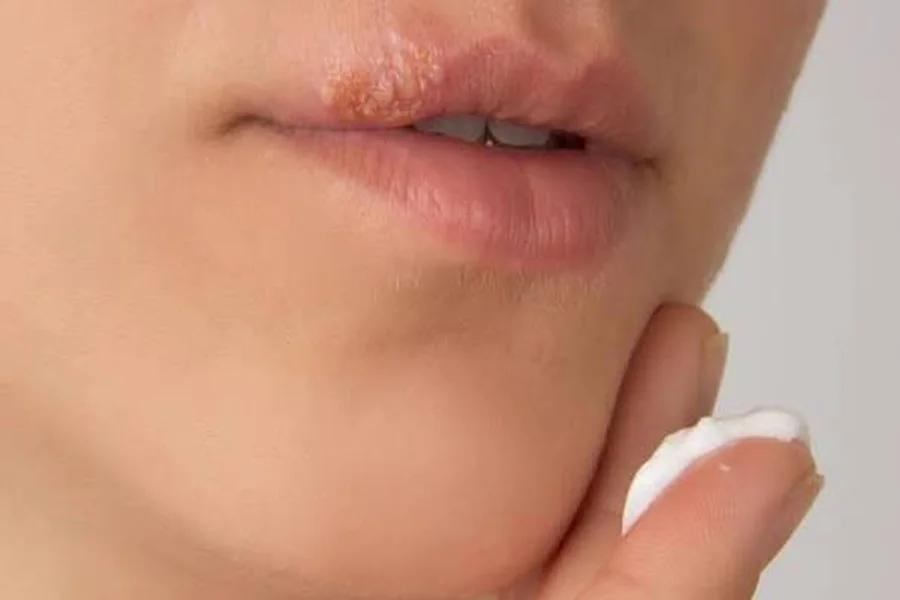
Understanding the Herpes Simplex Virus Type 1
Cold sores, often referred to as fever blisters, are the visible manifestation of the Herpes Simplex Virus Type 1, or HSV 1. This virus is remarkably common, with global health data suggesting that a significant majority of the adult population carries the virus, even if they never experience a single outbreak. Once the virus enters the body through broken skin or mucous membranes, it travels along the nerve pathways to the dorsal root ganglia, where it remains dormant until triggered.
Triggers for an outbreak can vary wildly between individuals. Some people find that emotional stress or physical fatigue brings on a blister, while others are sensitive to ultraviolet light from the sun or hormonal shifts during a menstrual cycle. Regardless of the trigger, the biological process is the same. The virus wakes up, travels back down the nerve to the surface of the skin, and begins to replicate rapidly, causing the characteristic tingling, itching, and eventual blistering.
Understanding this lifecycle is crucial when deciding between Aciclovir vs. Topical Creams: Which Cold Sore Treatment Is Right for You? from a clinical perspective. While both treatments aim to stop the virus, they approach the problem from different angles. One works from the inside out, while the other addresses the site of the infection directly. For those looking for professional guidance, Post My Meds offers a range of options to help manage these symptoms effectively.
The Mechanism of Aciclovir Tablets
Aciclovir is an antiviral medication that belongs to a class of drugs known as synthetic purine nucleoside analogues. In simpler terms, it mimics one of the building blocks of DNA. When the virus attempts to replicate, it mistakenly uses the Aciclovir instead of the natural building block. This effectively jams the viral machinery, preventing the virus from producing new copies of itself.
The primary advantage of oral tablets is their systemic reach. When you swallow a tablet, the medication is absorbed into the bloodstream, allowing it to reach the nerve endings where the virus is most active. This is particularly beneficial for individuals who suffer from severe outbreaks or those who experience multiple blisters at once. Oral medication provides a uniform concentration of the drug throughout the body, ensuring that no part of the viral activity is left unaddressed.
Clinical studies have consistently shown that oral antivirals can reduce the duration of an outbreak by several days if taken correctly. Because the medication stops viral shedding more effectively than topical applications, it also reduces the window of time during which you are most contagious to others. Many patients find that the convenience of taking a pill twice or three times a day outweighs the need to repeatedly apply messy creams to their face.
Topical Creams and Their Role in Symptom Management
Topical creams, such as those containing aciclovir or penciclovir, are the most common first line of defense for occasional cold sore sufferers. These creams are designed to be applied directly to the site of the tingling or blister. Their primary function is to deliver a high concentration of the antiviral agent directly to the surface cells where the virus is erupting.
Beyond the antiviral component, many topical treatments include soothing agents like docosanol or moisturizing bases that help prevent the skin from cracking and bleeding. When a cold sore reaches the crusting stage, the skin becomes brittle. A good topical cream keeps the area supple, which reduces pain when smiling or eating and prevents secondary bacterial infections from taking hold in the open cracks.
However, the limitation of topical creams lies in their penetration. The skin is a highly effective barrier, and only a small percentage of the active ingredient actually reaches the deeper layers where the virus is replicating. This is why creams usually require application every few hours to remain effective. For those who catch the symptoms at the very first sign of a tingle, a cream can sometimes prevent a blister from forming entirely, but it requires diligent and frequent use.
Speed of Recovery: Oral vs. Topical Efficacy
When comparing the two methods, speed is often the deciding factor for patients. A cold sore can be a source of significant social anxiety and physical discomfort. Data suggests that oral Aciclovir tablets typically offer a faster resolution of symptoms compared to topical treatments alone. In many cases, the oral route can shave two to three days off the total healing time, especially in moderate to severe cases.
Topical creams are often viewed as a localized solution. They are excellent for minor, infrequent outbreaks where the user wants to avoid systemic medication. However, if the virus has already caused significant redness and swelling, a cream might struggle to keep up with the rate of viral replication. This is where the systemic power of oral medication becomes superior. By attacking the virus from within the bloodstream, the medication reaches the site of infection more comprehensively than a surface level cream ever could.
It is also worth noting that some patients choose to use both methods simultaneously. While not always necessary, applying a soothing cream while taking oral tablets can provide the best of both worlds: internal viral suppression and external pain relief. Consulting with experts at Post My Meds can help you determine if a dual approach is appropriate for your specific situation.
The Importance of Early Intervention
The most critical factor in treating a cold sore, regardless of the method chosen, is timing. The window of opportunity for effective treatment is relatively small. The virus replicates most aggressively during the prodromal phase, which is the period of time when you feel a tingle, itch, or burn, but no blister is visible yet.
- The Prodromal Stage: This lasts between six and twenty four hours. Treating at this stage provides the highest chance of preventing a blister.
- The Blister Stage: Small, fluid filled bumps appear. Treatment now aims to stop the spread and reduce swelling.
- The Ulcer Stage: The blisters burst, forming a shallow sore. This is the most contagious stage.
- The Crusting Stage: A scab forms. Treatment now focuses on preventing cracking and promoting skin repair.
If you wait until the blister has already fully formed and started to weep, the efficacy of any antiviral treatment drops significantly. The virus has already done the bulk of its work. At that point, the goal shifts from stopping the virus to managing the wound and preventing scarring. Having your preferred treatment on hand, perhaps sourced in advance from Post My Meds, ensures that you can act the very moment you feel that telltale tingle.
Side Effects and Safety Considerations
Safety is a paramount concern when choosing any medication. Topical creams generally have the lowest risk of side effects because very little of the drug enters the general circulation. The most common issues are localized, such as slight stinging, dryness, or flaking of the skin at the application site. These are usually mild and disappear once the treatment is stopped.
Oral Aciclovir is also considered very safe for the majority of the population, but because it is processed by the kidneys, there are a few more considerations. Some users may experience mild headaches, nausea, or dizziness. It is vital to stay well hydrated while taking oral antivirals to help the kidneys flush the medication through the system effectively.
Individuals with pre-existing kidney conditions or those who are pregnant or breastfeeding should always seek professional medical advice before starting oral treatments. For most healthy adults, however, a short course of tablets is well tolerated and offers a highly effective way to manage the virus with minimal disruption to daily life.
Lifestyle Factors and Long Term Suppression
For those who suffer from frequent outbreaks, defined as six or more times per year, the conversation changes from reactive treatment to long term suppression. This involves taking a lower dose of oral Aciclovir daily to keep the virus in a permanent state of dormancy. This approach can be life changing for people whose confidence is severely impacted by chronic cold sores.
Lifestyle adjustments also play a huge role in the effectiveness of your treatment.
- Diet: High levels of the amino acid Arginine can sometimes trigger outbreaks, while Lysine may help suppress them.
- Sun Protection: Using an SPF lip balm is one of the most effective ways to prevent UV triggered sores.
- Stress Management: High cortisol levels weaken the immune system, making it easier for the virus to reactivate.
- Hygiene: Never share lipsticks, towels, or utensils during an outbreak, and always wash your hands after applying cream.
By combining these lifestyle habits with the right medical intervention, you can significantly reduce the frequency and severity of your symptoms. Many patients find that keeping a discreet supply of medication from Post My Meds in their travel kit or medicine cabinet provides peace of mind, knowing they are prepared for any sudden flare ups.
Choosing the Best Path for Your Healing Journey
Deciding between tablets and creams ultimately depends on your personal history with the virus and your current needs. If you have a busy schedule and need the most effective, fastest acting solution, oral tablets are generally the superior choice. They provide a powerful, systemic response that addresses the root of the viral activity.
On the other hand, if your outbreaks are very mild, rare, and caught at the very first sign of irritation, a topical cream might be all you need. It is a less intensive way to manage the symptoms and avoids the need for systemic medication. The key is to be honest about how much the cold sores affect your quality of life. There is no need to suffer through a week of discomfort when modern medicine offers such effective ways to shorten the duration of an outbreak.
Regardless of which path you choose, remember that consistency is the most important factor. If using a cream, apply it exactly as directed on the packaging. If using tablets, complete the full course even if the sore appears to be healing quickly. By taking a proactive approach and utilizing resources like Post My Meds, you can take control of the virus rather than letting it control you. Cold sores are a common nuisance, but with the right tools, they do not have to be a major disruption to your life.