
How Do Denver’s Distracted Driving Laws Affect a Car Accident Claim?
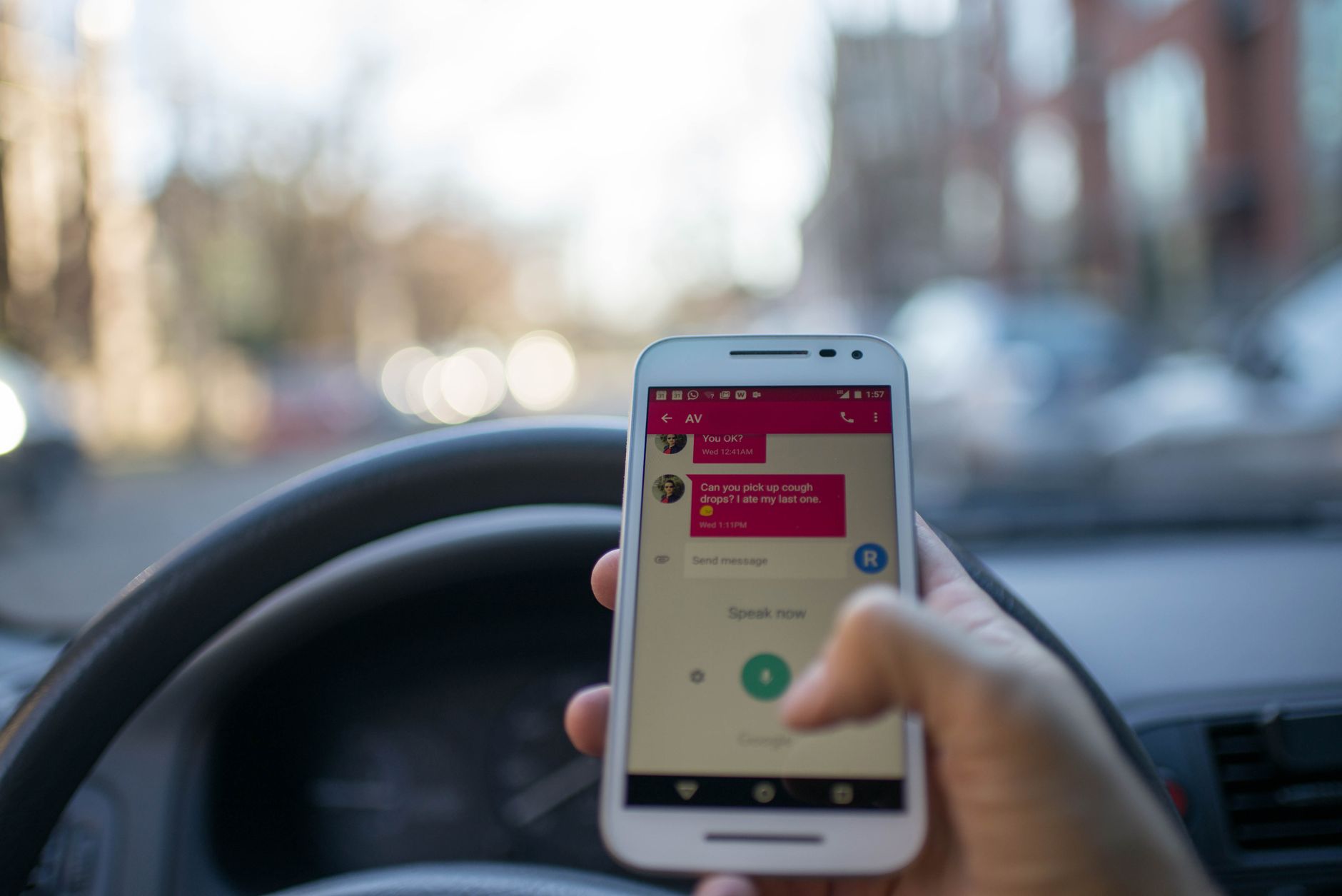
Colorado’s distracted driving laws restrict texting and hand-held phone use behind the wheel, and when a driver breaks one of those restrictions and causes a crash, sorting out fault can look different than in a routine fender bender.
Understanding how a distracted driving law interacts with a car accident claim is one reason injured drivers often talk to a Denver distracted driving lawyer before giving a recorded statement to anyone's insurer.
Does a Distracted Driving Violation Decide Who Is at Fault?
Not on its own, though it can carry real weight. A citation is one piece of evidence pointing toward negligence, not a final ruling on fault. Adjusters and courts still weigh the full picture: road conditions, speed, signals, and what each driver did in the moments before impact.
That said, evidence that a driver was texting or scrolling at the time of a crash tends to be persuasive, since it speaks directly to attention on the road.
What Counts as Distracted Driving Under Texting-While-Driving Restrictions?
- Manual: taking a hand off the wheel to hold a phone or adjust something in the car
- Visual: looking away from the road, even briefly, toward a screen or object
- Cognitive: thinking about something other than driving, even with hands on the wheel
Texting tends to combine all three at once, part of why it draws particular attention in a crash investigation.
How Do Insurers Investigate Phone Use After a Crash?
Adjusters typically start with the police report, checking whether the officer issued a citation and how they described each driver's conduct. From there, a claims representative may ask directly about phone use or, once a lawsuit is filed, seek records through discovery.
Because phone carriers generally keep detailed records for only a limited window, delays in raising the issue can matter. Early documentation and prompt legal guidance can shape how a claim develops.
What Evidence Can Show a Driver Was Distracted?
Several types of evidence commonly come into play when distraction is at issue:
- Phone records showing calls, texts, or data activity around the time of the crash
- Eyewitness accounts describing a driver looking down or drifting before impact
- Traffic or dashcam footage capturing the moments before the collision
- Event data recorder information from the vehicle, sometimes called a "black box"
- Admissions made at the scene or in early statements to police
No single piece of evidence tends to carry a claim on its own. Attorneys generally build a fuller picture by combining several of these sources.
Can a Citation for Distracted Driving Be Used in a Claim?
A citation can be a useful marker, but it is not the whole story. Traffic citations are handled separately from a civil injury claim, and resolving a ticket does not necessarily settle the question of civil responsibility. Even so, a citation, or the absence of one, often shapes how a claim is initially viewed.
How Does Distracted Driving Affect Settlement Negotiations?
When phone use is part of the evidence, negotiations often shift. Clear signs of distraction may open the door to a faster resolution, while weaker evidence tends to bring more back-and-forth about fault and degree.
Because comparative negligence can reduce an award rather than eliminate it, a distracted driving allegation rarely ends a claim on its own. It tends to shift the negotiation rather than settle it.
What Should Someone Do After Being Hit by a Distracted Driver?
A few practical steps tend to help preserve a claim involving suspected distraction:
- Photograph the scene, vehicle positions, and any visible phone in the other driver's hand
- Note anything witnesses say about the other driver's behavior before the crash
- Avoid giving a detailed recorded statement before speaking with an attorney
- Ask early about preserving phone records, since carriers do not keep them indefinitely
- Keep a written log of medical care, missed work, and how the injury affects daily life
Distracted driving claims often move quickly in the early weeks, largely because several useful pieces of evidence have a limited shelf life. Getting organized early tends to put an injured driver in a stronger position as the claim moves forward.
CGH Injury Lawyers
2701 Lawrence St Ste 201, Denver, CO 80205
(720) 669-8062
<iframe src="https://www.google.com/maps/embed?pb=!1m18!1m12!1m3!1d2238.1946023390824!2d-104.98332792214498!3d39.759589056402326!2m3!1f0!2f0!3f0!3m2!1i1024!2i768!4f13.1!3m3!1m2!1s0x876c7e751b73d1c5%3A0xb1008d987754eb32!2sCGH%20Injury%20Lawyers!5e0!3m2!1sen!2sus!4v1782969302658!5m2!1sen!2sus" width="600" height="450" style="border:0;" allowfullscreen="" loading="lazy" referrerpolicy="strict-origin-when-cross-origin"></iframe>[a]
[a]how to embed a MAP: —-2a. Paste it in the Block Editor (Gutenberg)
Open the post and click + where you want the map.
Search for Custom HTML and add that block.
Paste the iframe code.
Click Preview in the block toolbar to check it, then Update or Publish.
2b. Paste it in the Classic Editor
Switch to the Text tab, not Visual.
Paste the iframe where you want the map.
Update the post. Switching back to Visual can sometimes strip the iframe, so stay in Text mode for that edit.