
How AI Visualization Is Changing Home Design and Renovation Planning
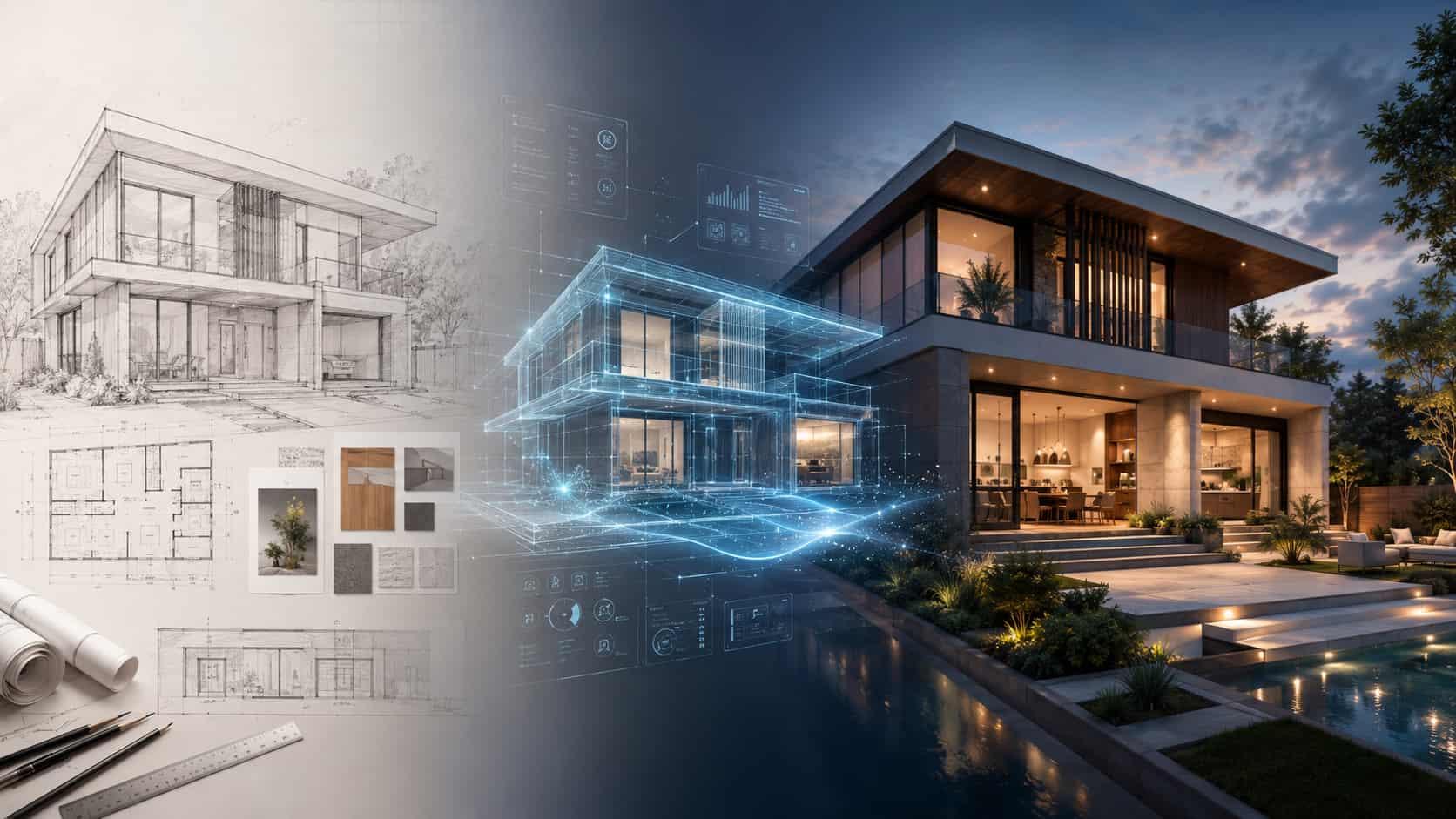
Home design has always depended on imagination. Before starting a renovation, people need to picture how a room, facade, garden, or property could look after the work is complete.
That is not always easy. A plain room may have great potential, but it can be difficult to see it at first. An outdated exterior may be transformed into a modern home, but the final result can be hard to imagine from words alone.
This is why visualization has become such an important part of modern design. People want to see ideas clearly before making decisions. They want to compare styles, understand materials, and feel confident before investing time and money.
Artificial intelligence is now making this process faster and more accessible. AI visualization tools can help turn sketches, photos, 3D models, and early design ideas into realistic visuals.
For homeowners, designers, architects, renovators, and real estate professionals, this creates a new way to plan and present better spaces.
Why Visualization Matters Before Starting a Project
A design idea can sound good in conversation, but it becomes much more powerful when people can actually see it.
This is especially important in home design and renovation. Every decision affects the final look and feel of a space. Wall colors, lighting, furniture, flooring, exterior materials, landscaping, and layout all work together.
Without visuals, these decisions can feel uncertain. A homeowner may not know whether a modern interior style will suit their room. A client may not understand how a facade upgrade will change the character of a house.
Visualization helps reduce that uncertainty. It allows people to see possible outcomes before the project begins.
This can make conversations easier. It can also help designers explain ideas more clearly and help clients make faster decisions.
How AI Makes Design Ideas Easier to Understand
Traditional design visualization can be very powerful, but it often takes time. Creating detailed 3D models, applying materials, setting up lighting, and preparing realistic renders can require technical skill and a long workflow.
AI visualization changes the early planning stage. It allows designers and property owners to explore visual ideas much faster.
A rough sketch can become a realistic architectural concept. A simple room photo can be transformed into a styled interior. An old exterior can be reimagined with modern materials, better lighting, and improved landscaping.
This does not mean AI replaces professional design knowledge. Instead, it supports the creative process.
AI can help people test ideas, compare styles, and understand the direction of a project before committing to final design work.
Where ArchiVinci Fits Into This New Workflow
An AI architectural visualization tool like ArchiVinci helps designers, architects, homeowners, and real estate professionals turn design ideas into realistic visual concepts.
The platform can support different parts of the design process, including interior visualization, exterior concepts, landscape ideas, sketch to render workflows, and renovation previews.
This makes it useful for people who need to communicate design potential clearly. Instead of relying only on descriptions, they can show how a space might look after improvement.
For example, a designer can take an empty room and present it in a warm modern style. An architect can use a sketch to explore a realistic building concept. A property professional can show how an outdated home could look after renovation.
The main value is clarity. When people can see the idea, they can understand it faster.
Key Ways AI Visualization Supports Home Design
AI visualization can support many parts of home design and renovation. It is especially useful in the early stages, when people are still exploring options.
Here are some of the most practical ways it can help.
1. Turning Sketches Into Realistic Concepts
Many design projects begin with a rough idea. This might be a sketch, a simple drawing, or an early concept.
AI visualization can help turn these early ideas into realistic images. This allows architects and designers to present their vision more clearly.
Instead of asking clients to imagine the result from a sketch, they can show a more developed visual direction.
2. Exploring Interior Design Styles
Interior design depends heavily on mood and atmosphere. A room can feel completely different depending on lighting, materials, furniture, and color palette.
AI visualization makes it easier to explore different interior styles. The same room can be tested in a modern, minimal, luxury, Scandinavian, Japandi, classic, or industrial direction.
This helps clients compare options before choosing a final style.
3. Improving Exterior Renovation Planning
The exterior of a home creates the first impression. A simple facade upgrade can make a property look more modern, valuable, and inviting.
AI visualization can help show exterior improvements before construction begins. This may include new cladding, window frames, entrance design, roof details, garden paths, outdoor lighting, and landscaping.
For homeowners and developers, this can make renovation planning much easier.
4. Visualizing Landscape and Outdoor Spaces
Outdoor spaces are now an important part of home design. Gardens, terraces, patios, pools, lighting, and seating areas can change the entire lifestyle value of a property.
AI visualization can help people see how an outdoor space could be transformed. A plain garden can become a relaxing retreat. An empty backyard can become a more functional living area.
This is useful for landscape designers, homeowners, and property developers.
5. Supporting Real Estate Presentations
Real estate often depends on potential. Buyers and investors may struggle to see what an outdated or empty property could become.
AI visualization can help show renovation possibilities in a more attractive and understandable way. It can present a room, exterior, or full property in a more polished future version.
This can support marketing, investment discussions, buyer confidence, and the creation of compelling visual representation.
How Interior Designers Can Use AI Visualization
Interior designers often need to explain how a space will feel after the design is complete. This can be difficult with mood boards and descriptions alone.
AI visualization gives interior designers a faster way to present ideas. They can show how furniture, lighting, textures, and colors work together in a realistic scene.
This can be especially useful when a client is unsure about style. Some clients may say they want something modern, but they may not know what type of modern design they prefer.
One version may feel warm and natural. Another may feel bold and luxurious. Another may feel bright, simple, and minimal.
Seeing these options visually makes the decision easier. It also helps avoid misunderstandings later in the project.
How Exterior Concepts Become Clearer With AI
Exterior design can be one of the hardest things to imagine. Small changes can make a major difference to the overall appearance of a property.
A new entrance, darker window frames, stone cladding, wood accents, facade lighting, or a better pathway can completely change the character of a home.
AI visualization helps make these ideas visible. Instead of describing a modern exterior upgrade, designers can show it.
This is useful because exterior renovations often involve bigger decisions and higher costs. Homeowners usually want to feel confident before approving a direction.
With AI visuals, they can compare ideas and understand the impact of each choice more clearly.
Why AI Visualization Matters for Renovation Projects
Renovation projects are full of uncertainty. People often start with a space that feels old, empty, dark, or outdated.
The challenge is to see beyond the current condition. A room with poor lighting may become a beautiful living area. A dated house may become a modern family home. A neglected garden may become a calm outdoor space.
AI visualization helps reveal that hidden potential. It gives people a preview of what could be possible.
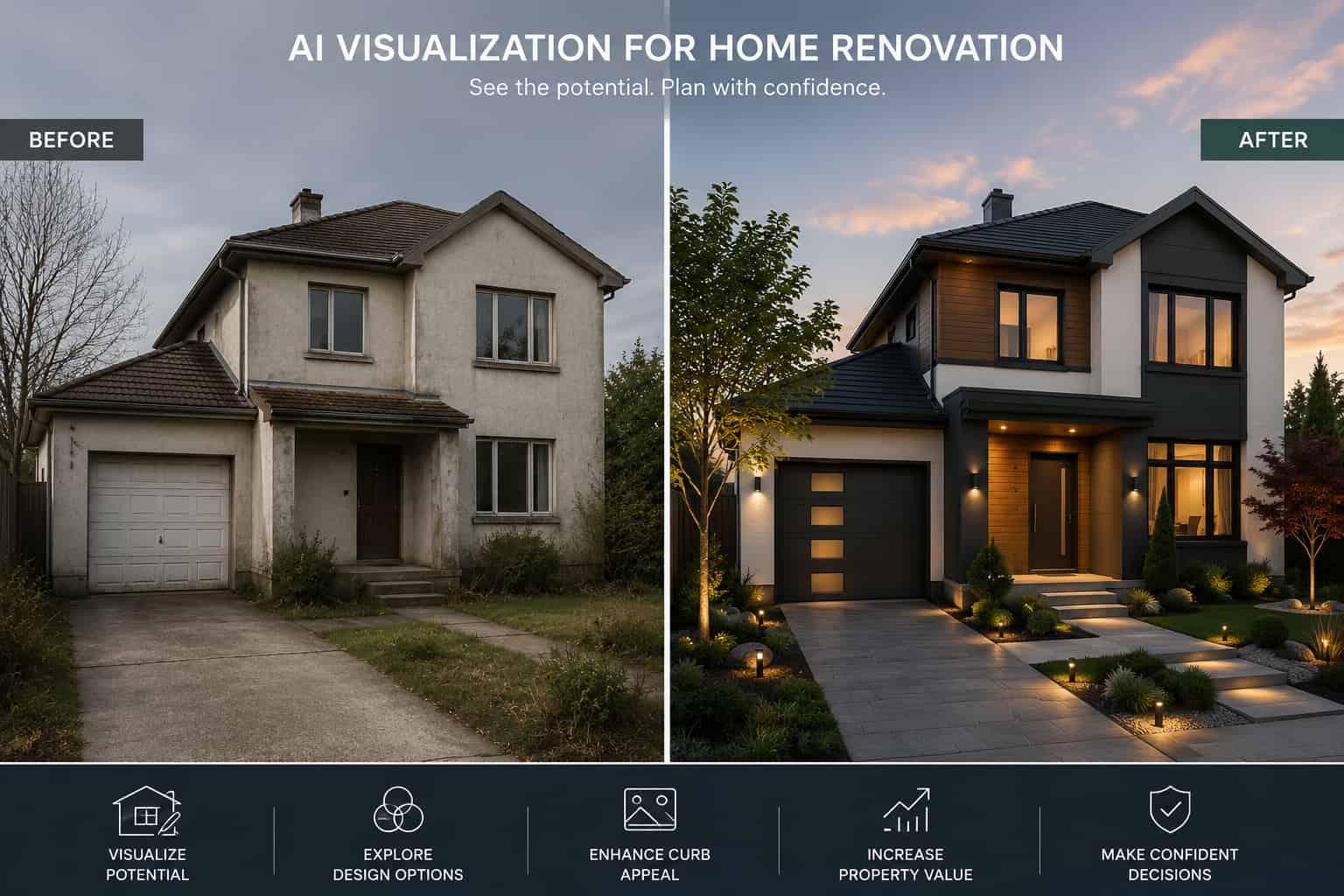
This can make planning more exciting and less stressful. It also gives designers and contractors a stronger visual reference for discussion.
When everyone can see the same concept, the project becomes easier to align.
The Role of AI in Real Estate and Property Marketing
In real estate, presentation matters. Photos show what a property looks like today, but they do not always show what it could become.
This is where AI assisted visualization can be helpful. It can support renovation previews, virtual staging concepts, exterior improvement ideas, and investment presentations.
A property with an empty room can be shown as a stylish living space. A house with an outdated facade can be presented with a modern exterior concept.
This can help buyers and investors understand the opportunity more clearly.
Of course, these visuals should be used responsibly. They should be presented as concept images or design previews, not as misleading final property photos.
When used honestly, AI visualization can help people see potential without replacing accurate property information.
How AI Helps Clients Make Better Decisions
Good design decisions require confidence. Clients need to understand what they are approving.
When a design is only described with words, there is always room for different interpretations. One person may imagine a warm modern interior, while another may picture something completely different.
Visuals reduce this gap. They give everyone a shared reference point.
With AI visualization, designers can show multiple options quickly. Clients can compare them, give feedback, and choose a direction with more confidence.
This can save time and improve communication. It can also help prevent costly changes later in the project.
Why Designers Still Matter
AI visualization is a powerful tool, but it does not replace designers, architects, or creative professionals.
A good result still needs taste, judgment, and direction. Someone needs to decide which style fits the project, which materials make sense, and whether the visual idea is realistic.
AI can generate possibilities, but professionals guide the vision.
This is why an AI design visualization platform like ArchiVinci works best as part of a creative workflow. It helps people move faster from idea to visual concept, while still leaving room for professional design thinking.
The strongest results come when human creativity and AI support work together.
The Future of AI Assisted Design Planning
AI visualization is becoming part of a larger shift in how people plan homes, renovations, and property projects.
In the future, more people will expect to see design options before making decisions. Homeowners will want clearer renovation previews. Designers will want faster concept tools. Real estate professionals will want better ways to show property potential.
This does not mean every project will become fully automated. Design is still personal, creative, and practical.
However, AI can make the planning stage more visual, flexible, and efficient.
Instead of guessing how a space might look, people can explore possibilities earlier. They can test ideas, compare styles, and move forward with a clearer vision.
Final Thoughts
Home design and renovation are no longer only about imagining possibilities. With AI visualization, people can see those possibilities much earlier in the process.
This helps homeowners understand their options. It helps designers present ideas more clearly. It helps real estate professionals show the hidden potential of a property.
From interior design to exterior renovation, from landscape concepts to sketch based architectural visuals, AI is making design communication easier and more engaging.
The future of home planning will not be only about faster technology. It will be about better understanding.
When people can see a design idea clearly, they can make better decisions. And that is why AI visualization is becoming such an important part of modern home design and renovation planning.