
Amputation Injury Claims When Negligence Causes the Loss
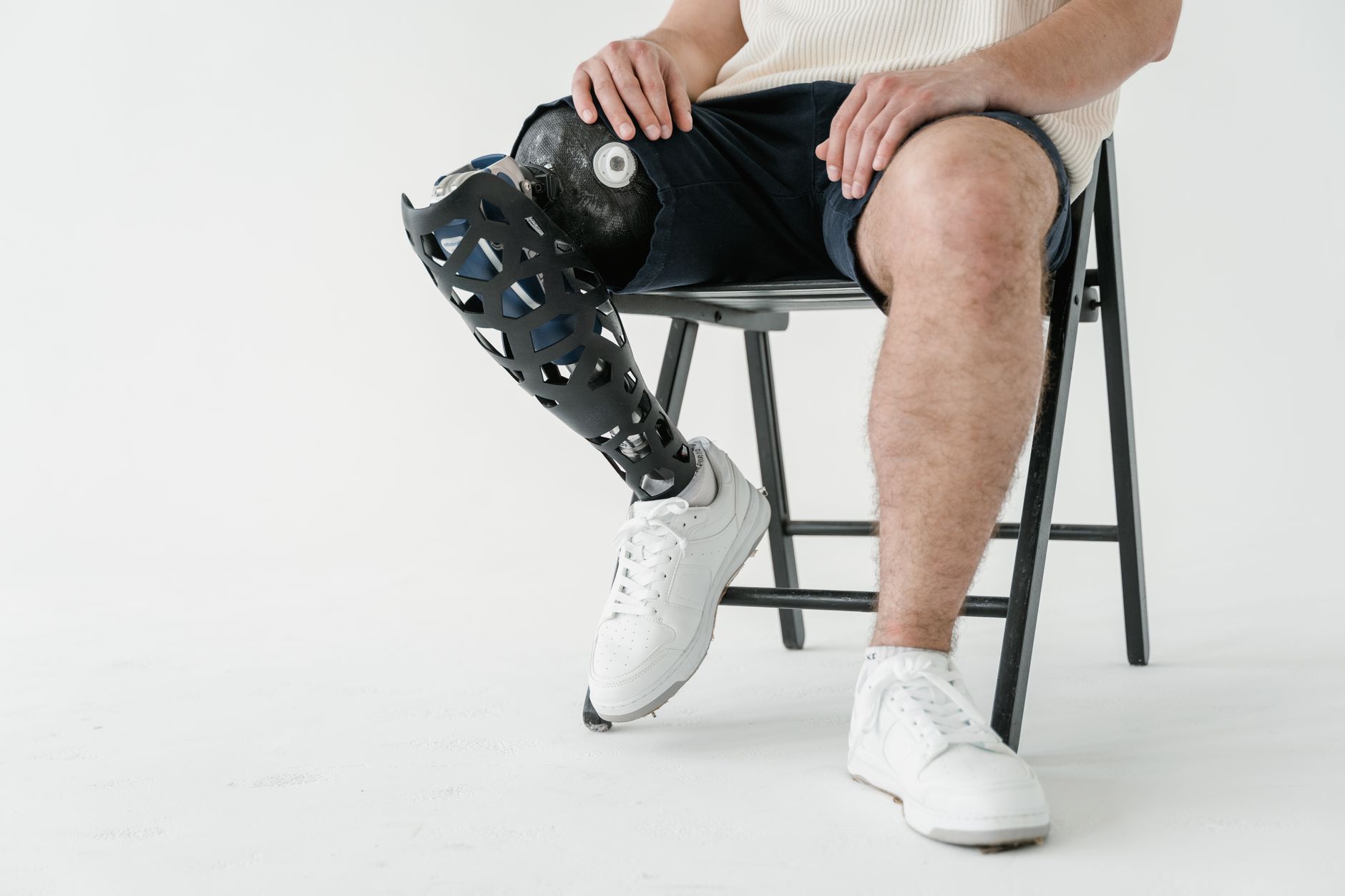
Losing a limb in an accident can change nearly every part of a person’s life. Medical treatment, rehabilitation, lost income, and changes to everyday routines can create lasting challenges for injured people and their families. When another party’s careless actions cause the injury, amputation injury claims may provide a way to seek compensation for the financial and personal losses that follow. Understanding how negligence is established, what damages may be available, and which records matter can help injured people make informed decisions about their legal options.
How Negligence Can Lead to Amputation
Amputations can occur in many types of preventable accidents. A severe collision may crush a limb, while dangerous machinery can cause injuries that surgeons cannot repair. Workplace incidents, serious falls, defective products, and unsafe property conditions can also lead to permanent limb loss.
Not every amputation results from negligence. In a legal claim, the injured person generally needs to show that another party owed a duty of care, failed to meet that duty, and caused an injury that resulted in measurable harm. The exact legal requirements depend on the applicable law and circumstances.
For example, a driver who ignores a traffic signal may cause a collision that severely damages another person’s leg. An employer or contractor may face questions about missing machine guards or inadequate safety procedures. A manufacturer may be responsible when a dangerous product causes a serious injury, depending on the evidence and applicable law.
Identifying the cause of the accident is an important early step in evaluating potential amputation injury claims.
Common Types of Accidents Involving Limb Loss
Motor vehicle collisions are one possible cause of traumatic amputations. The force of an impact can damage bones, blood vessels, nerves, and surrounding tissue. Even when emergency surgeons attempt to save the limb, the extent of the damage may make amputation necessary.
Industrial and construction accidents can present similar risks. Workers may encounter unguarded equipment, falling objects, unsafe work areas, or machinery that has not received proper maintenance. Whether an employer, contractor, equipment manufacturer, or another party may be legally responsible depends on the facts and relevant workplace laws.
Defective products can also cause severe injuries. Power tools, industrial machines, and other equipment may present unreasonable risks if they contain design defects, manufacturing errors, or inadequate safety warnings.
In some cases, unsafe walkways, poorly maintained premises, or other hazardous conditions contribute to an accident. Property owners and other responsible parties may face liability when their failure to meet a legal duty causes harm. Each case requires an examination of the specific circumstances rather than an assumption that an accident automatically proves negligence.
Proving Fault After an Amputation Injury
Strong evidence can help explain how an accident happened and connect another party’s conduct to the resulting limb loss. Medical records establish the nature and severity of the injury, while accident evidence can help identify the cause.
Useful evidence may include photographs of the accident scene, damaged equipment, surveillance footage, witness statements, incident reports, and vehicle or machinery inspection records. Medical opinions can explain whether the injuries required amputation and what treatment may be necessary in the future.
In workplace cases, maintenance logs, training records, safety inspections, and equipment manuals may help reveal whether a known hazard was ignored. In a vehicle collision, traffic camera footage, witness accounts, and available crash reports may help establish how the incident occurred.
People pursuing amputation injury claims should preserve relevant documents and avoid altering or discarding physical evidence when possible. They should also keep copies of medical bills, receipts, employment records, and communications with insurers.
A lawyer can help identify relevant evidence, determine which parties may share responsibility, and assess whether expert analysis is needed. However, the strength of a claim depends on the evidence available and the legal standards that apply.
What Compensation May Cover
An amputation often requires more than emergency surgery. Follow-up procedures, physical therapy, pain management, mobility equipment, and changes to living arrangements may create substantial expenses over time.
Depending on the law and evidence, compensation may cover several categories of loss.
Medical expenses: These may include emergency treatment, surgery, hospital stays, medication, rehabilitation, and medically necessary follow-up care.
Future care and equipment: Some injured people require prosthetic devices, replacement components, mobility aids, home modifications, or continuing treatment. Claims may account for reasonably supported future needs.
Lost income: Time away from work can reduce earnings during recovery. If the injury limits future employment or prevents a return to the same occupation, lost earning capacity may also be relevant.
Pain and suffering: Compensation may be available for physical pain, emotional distress, and reduced enjoyment of everyday activities, subject to applicable law.
Other financial losses: Transportation to medical appointments, necessary household assistance, and other documented expenses may be recoverable in appropriate cases.
The value of amputation injury claims varies widely. The level of amputation, medical outlook, work history, available evidence, degree of fault, and applicable legal rules can all affect the outcome. No particular amount is guaranteed.
Why Future Medical Needs Matter
A settlement or court award should be evaluated with attention to the long-term effects of limb loss, not only the bills received during the first weeks after an accident.
A prosthetic device may need adjustments, repairs, or replacement as a person’s needs change. Rehabilitation can continue long after the initial surgery, and some people experience residual limb pain or phantom limb sensations. These issues may affect mobility, sleep, work, and daily activities.
The MedlinePlus guide to artificial limbs explains how prosthetic devices can help people perform everyday tasks. Understanding the potential role of these devices can help injured individuals discuss their long-term care needs with qualified medical professionals.
Medical providers and appropriate specialists may help estimate future treatment costs and explain how the injury could affect a person’s ability to work or live independently. These assessments can be important when calculating damages.
Steps to Take After an Amputation Caused by an Accident
Medical care should always come first. After immediate treatment, injured people and their families can take practical steps to protect important information and prepare for possible legal action.
Keep medical records, treatment plans, bills, prescriptions, and receipts organized in one place. Write down the basic details of the accident while memories are fresh, and preserve photographs or other available evidence. Record missed workdays, changes in job duties, and expenses related to recovery.
Be careful when communicating with insurance companies. An insurer may request a statement, medical authorization, or settlement agreement. Before accepting an offer, it is worth understanding which losses it covers and whether future expenses have been considered.
Avoid guessing about the cause of the accident or making unsupported statements about responsibility. Provide accurate information and seek advice when a request is unclear.
The MedlinePlus rehabilitation resource describes how rehabilitation can help people regain abilities needed for daily life. Following a suitable treatment plan can support recovery while medical professionals assess long-term needs.
Understanding Deadlines and Legal Options
Amputation injury claims are subject to legal deadlines, often called statutes of limitations. These deadlines vary by jurisdiction and may depend on the type of claim, the parties involved, and when the injury or its cause became known. Special rules may apply to claims involving government entities or injured minors.
Waiting too long can make it harder to preserve evidence or bring a claim within the required period. Anyone considering legal action should seek advice from a qualified personal injury lawyer who can review the circumstances and explain the relevant deadlines.
A legal professional can also assess potential defendants, review insurance coverage, estimate documented losses, and discuss whether negotiation or litigation may be appropriate. The decision to pursue a claim remains personal, and the available options depend on the individual case.
Protecting Your Rights After Permanent Limb Loss
An amputation can bring lasting physical, financial, and emotional challenges. When another party’s negligence caused the accident, understanding the legal process can help an injured person evaluate possible ways to recover compensation.
Careful evidence collection, consistent medical documentation, and a realistic assessment of future needs are important parts of the process. With reliable information and qualified guidance, injured individuals can better understand their rights and make decisions that reflect the full impact of the injury on their lives.