
Best Solar Panels for Homes in the Philippines
Homeowners across the Philippines now see solar panels as a smart way to cut rising electricity costs and enjoy more reliable power. Many families look for systems that work well in hot weather, survive strong rains, and deliver steady savings. With so many brands and packages on the market, it can feel hard to know which panels truly fit a typical Filipino home.This guide explains the key factors that matter most: efficiency, durability in local weather, and the right type of panel for your roof and budget. You will also see why more households in Luzon, Visayas, and Mindanao invest in solar as a long‑term energy solution. Use this overview to compare your options, ask better questions when talking to installers, and choose the best solar panels for your home in the Philippines.
Key Factors to Consider Before Buying Solar Panels
Solar Panel Efficiency and Power Output
Solar panel efficiency shows how well a panel turns sunlight into usable electricity. For homes in the Philippines, efficiency usually ranges from about 17% to 22%. Higher efficiency panels deliver more power from the same roof area, which helps if you have limited space.Power output, measured in watts (W), tells you how much electricity a single panel can produce under standard test conditions. Many residential panels today range from 350W to over 450W. Higher wattage panels can reduce the number of modules needed to reach your target system size.When comparing options, check both efficiency and output, not just brand name. A slightly higher price for better efficiency can pay off in long‑term savings, especially in hot regions where energy demand for air‑conditioning runs high.
Weather Resistance for Philippine Climate
The Philippines experiences intense sun, heavy rainfall, salty sea air in coastal areas, and strong winds during typhoon season. Solar panels for homes must handle all of these conditions. Look for panels with strong tempered glass, corrosion‑resistant frames, and certified wind and snow load ratings, even if your area rarely sees extreme weather.Check the panel’s IP rating for dust and water resistance. Panels and junction boxes with high IP ratings offer better protection against moisture intrusion, which can cause slow performance loss. Heat tolerance also matters. Panels with a low temperature coefficient lose less efficiency as the daytime temperature rises.Ask installers how they mount the panels and protect the wiring. A proper mounting system and neat cable management reduce risks from high winds and heavy rains, helping your system last longer in the Philippine climate.
Types of Solar Panels for Residential Use
Monocrystalline Solar Panels
Monocrystalline solar panels are often considered the best option for homes in the Philippines because they combine high efficiency and long service life. These panels use single‑crystal silicon cells, which allow electrons to move more freely and convert more sunlight into electricity.Their higher efficiency is useful when roof space is limited, such as in townhouses or small city homes. With fewer panels, you can still reach a practical system size and reduce your monthly bill. Monocrystalline panels usually appear black, which many homeowners find more attractive on modern roofs.Although they often cost more than polycrystalline options, the added output and better performance in high temperatures can lead to greater savings over the lifespan of the system.
Portable and Foldable Solar Panels
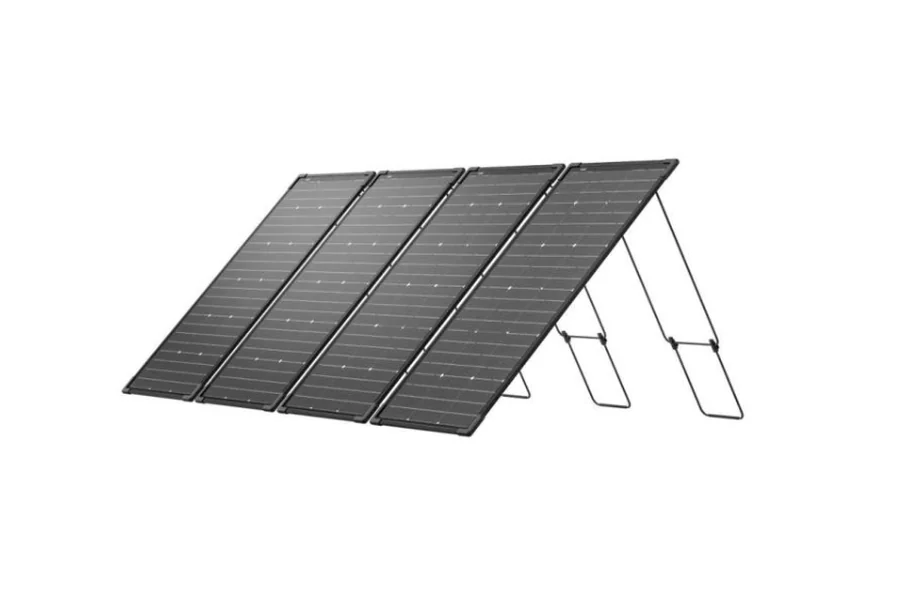
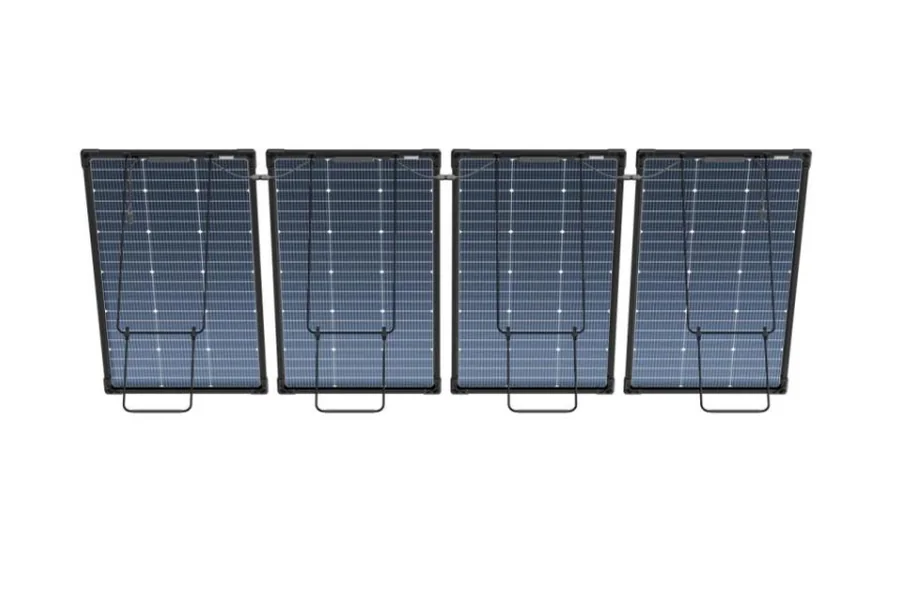
Portable and foldable solar panels give Filipino households extra flexibility beyond a fixed rooftop system. These lightweight panels work well for camping trips, provincial farm visits, or beach outings where grid power is limited. You can use them to charge phones, power banks, lights, and small appliances.During power interruptions, a compact foldable panel paired with a solar generator or battery station can keep essential devices running. This is especially useful in areas that often experience long brownouts after strong storms.Portable panels usually have lower wattage than full‑size roof modules, but they set up quickly and don’t require permanent installation.
Benefits of Installing Solar Panels at Home
Lower Electricity Bills
Monthly electricity costs in the Philippines can take a big share of a family budget, especially for homes that use air‑conditioning, refrigerators, and other appliances daily. Solar panels help you generate your own energy, so you draw less power from the grid during daylight hours.If you install a grid‑tied system sized correctly to your usage, you can offset a large part of your bill. Over time, this reduction can pay back the cost of the system and then continue to deliver savings for many years.By tracking your consumption and solar production, you can also adjust habits, such as running washing machines or ironing while the sun is strongest, to maximize free solar energy.
Reliable Backup Power During Outages
Power interruptions remain common in many parts of the Philippines, especially during typhoons, maintenance work, or sudden grid failures. A well‑designed solar setup with batteries or a hybrid inverter can keep essential loads running when the main supply cuts off.You can prioritise lights, fans, Wi‑Fi routers, and phone charging, or even refrigerators and medical equipment, depending on battery size. This backup power offers comfort and safety, particularly for families with children or elderly members.
Conclusion
Finding the best solar panels for homes in the Philippines means balancing cost, efficiency, durability, and your personal energy goals. By checking your monthly usage, roof conditions, budget, and the local weather risks in your area, you can choose a system that delivers real value for many years.Monocrystalline panels suit homeowners who want high output from limited roof space, while portable and foldable panels add flexibility for travel and emergency use. When installed correctly and paired with quality inverters and, if needed, batteries, solar panels can significantly lower electricity bills and provide dependable backup during outages.