
Beyond the drill: How modern dental care changed without us noticing
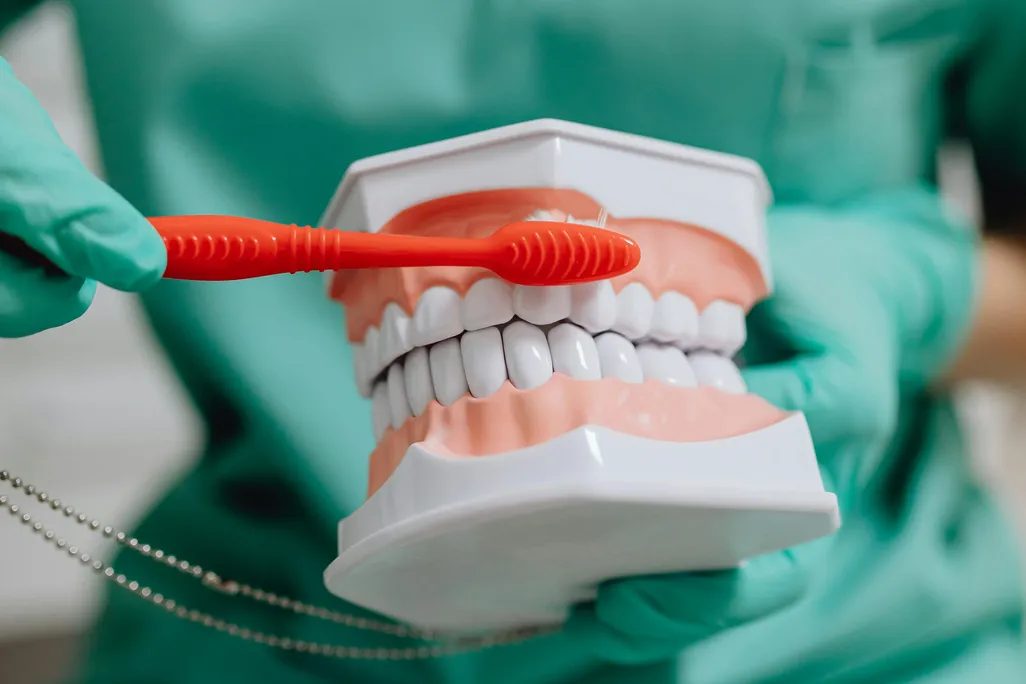
Let's be honest about the dental industry. For decades, it relied heavily on a culture of guilt and discomfort. Patients showed up to their appointments, endured a lecture about their flossing habits, sat through some painful scraping, and nervously waited for the inevitable news about a cavity. Nobody woke up thrilled to sit in that chair.
But the baseline of care shifted dramatically over the last ten years, and many patients never noticed the change. The industry quietly moved away from a purely mechanical, reactive approach. Today, the focus is entirely on tissue preservation, patient comfort, and systemic health.
If you still dread your biannual visits, your provider might simply be stuck in the past. Modern dentistry looks and feels fundamentally different. Families need to know exactly what to expect from a contemporary practice so they can advocate for better care.
The end of the "drill and fill" era
Dentists used to wait for a tooth to decay before taking action. The methodology was straightforward but destructive. A cavity formed, the dentist removed the decay along with a healthy margin of the tooth, and a large metal amalgam filling took its place. That approach cost patients massive amounts of natural tooth structure over their lifetimes.
Modern practitioners operate on a philosophy of biomimetic dentistry. They want to preserve as much natural enamel as possible. Instead of waiting for a cavity to require a massive filling or a full-coverage crown, they use remineralizing agents and advanced sealants to halt early-stage decay in its tracks. The primary goal is to keep your natural teeth intact for your entire life.
When a filling is actually necessary, the materials have vastly improved. Advanced composite resins mimic the natural flex and strength of the tooth. These materials bond directly to the enamel, meaning the dentist removes significantly less of the healthy tooth structure. Once a tooth is aggressively cut with a drill, the countdown to a root canal or extraction begins. Modern providers do everything in their power to prevent that clock from starting.
The mouth is not an isolated system
Medical professionals spent a century treating the human mouth as if it were completely disconnected from the rest of the body. That isolationist view is finally dead. We now have concrete clinical data showing that severe gum disease correlates heavily with cardiovascular issues, diabetes complications, and immune system disorders.
The bacteria that cause periodontal disease do not stay in your gums. They enter your bloodstream and travel throughout your body. Chronic inflammation in the mouth directly impacts your body's ability to regulate blood sugar, creating a dangerous feedback loop for diabetic patients.
A thorough dental exam today involves much more than counting teeth. It includes screening for oral cancer, evaluating airway pathways for sleep apnea risks, and checking for early signs of systemic inflammation. Your oral health provider is often the first medical professional to spot early warning signs of broader health issues. They look inside your mouth more consistently than your primary care physician looks at your overall health.
Navigating the provider landscape
Finding the right practice requires looking far past the waiting room amenities. A high-end coffee machine in the lobby is nice, but clinical transparency matters much more. You want a provider who shows you exactly what they see in your mouth rather than just dictating a multi-thousand-dollar treatment plan from behind a mask.
This is especially true for families managing multiple schedules and evaluating local care options. Whether you are actively searching for a dentist in Tampa FL after a recent relocation, or just looking to switch providers in your hometown, the baseline requirements remain identical. Look for a practice that prioritizes diagnostics and takes the time to explain the reasoning behind every procedure.
A good provider will use intraoral cameras to project high-definition images of your teeth onto a screen. They will point out the microscopic fracture lines or the failing margins on old fillings. If a provider cannot clearly articulate why a specific treatment is necessary using visual evidence, you should feel entirely comfortable walking away and seeking a second opinion.
Dental technology that actually matters
Dental marketing often pushes lasers and in-house milling machines as the ultimate signs of a good practice. While those tools certainly have their place in restorative work, the technology that actually improves your long-term health outcomes is diagnostic.
Cone Beam Computed Tomography (CBCT) scanners changed the game for complex procedures. Instead of relying on a flat, two-dimensional x-ray, the provider gets a complete 3D map of your jawbone, sinus cavities, and nerve pathways. This removes the guesswork from implant placement and root canals, drastically reducing the risk of surgical complications.
Digital impressions have also largely replaced the gag-inducing goop we all remember from childhood orthodontics. A small wand simply scans your teeth to create a perfect, highly accurate digital model in minutes. These advancements do not just make appointments faster. They make treatments dramatically more predictable and comfortable for patients of all ages, removing a massive psychological barrier to care.
Rethinking your baseline for care
Routine dental care is arguably the most critical preventive maintenance you can perform for your body. The days of accepting pain, fear, and condescending lectures as standard procedure are over. The industry evolved, and patient expectations should evolve right alongside it.
You have the power to demand comprehensive, transparent care. Take a hard look at your current dental experience. Are you receiving comprehensive health screenings, or are you just getting your teeth scraped quickly before being rushed to the billing desk? If your visits feel purely transactional, it is time to evaluate your options. When was the last time your provider sat down and actually explained your x-rays to you?