
Can Kratom Become Addictive? What to Know About Dependence, Withdrawal, and Getting Help
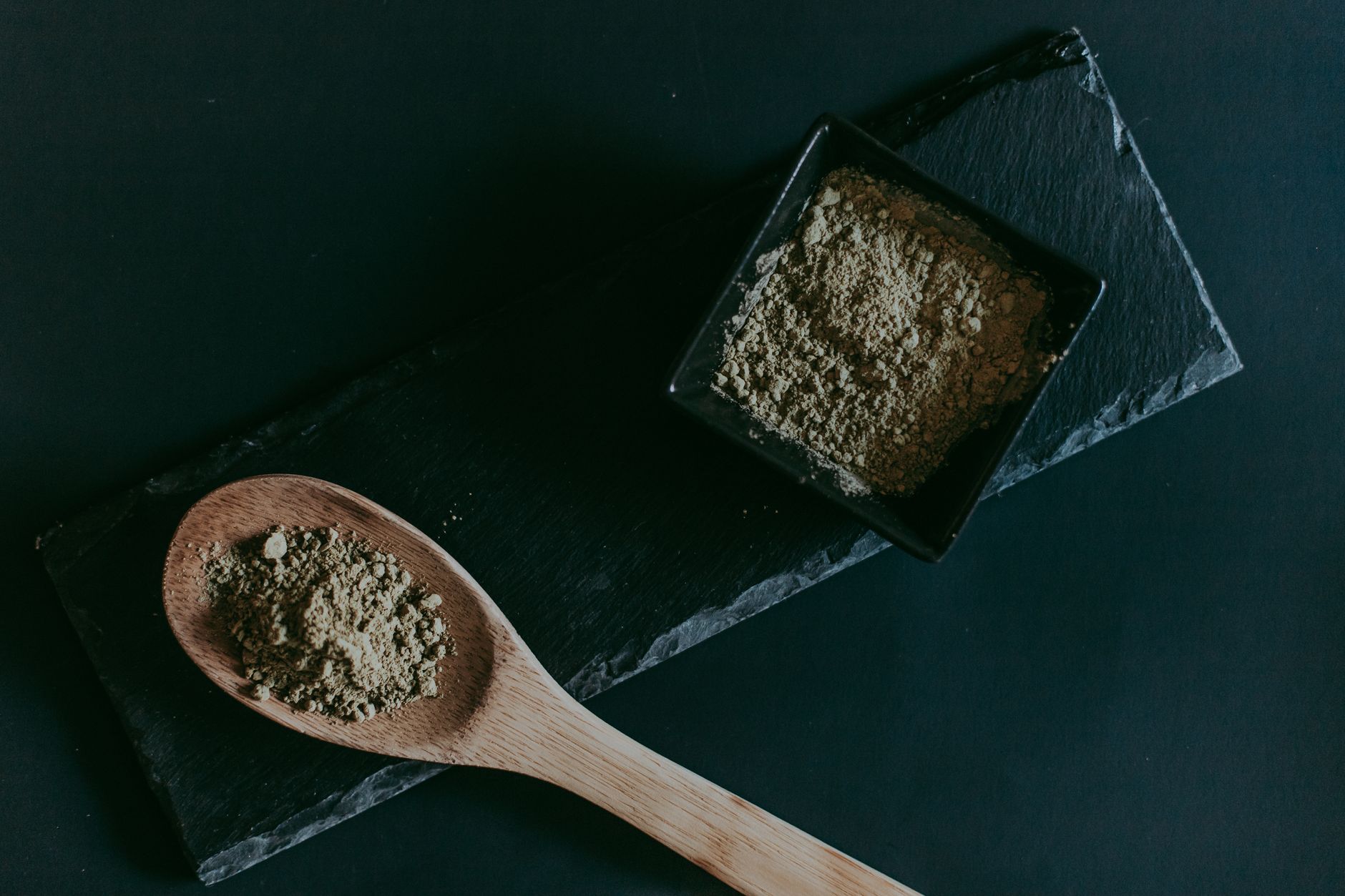
Kratom is often marketed as a natural product, which can make it seem harmless. For some people, that label lowers their guard. They may start using it for pain, anxiety, energy, or to ease opioid withdrawal, then find themselves taking more than they planned.
So, can you get addicted to kratom? Yes. A person can develop dependence on kratom, and some people experience cravings, withdrawal symptoms, and a hard time stopping even when use is causing problems. That does not mean everyone who tries kratom will become addicted, but it does mean the risk is real and worth taking seriously.
What kratom is and why it affects the brain
Kratom comes from Mitragyna speciosa, a tree native to Southeast Asia. Its leaves contain active compounds, especially mitragynine and 7-hydroxymitragynine, that act on opioid receptors in the brain. According to the National Institute on Drug Abuse, these compounds can produce stimulant-like effects at lower doses and sedative or opioid-like effects at higher doses.
That matters because substances that act on opioid receptors can change how the brain responds to stress, reward, and discomfort. Over time, repeated use can lead the body to adapt. When that happens, a person may need more kratom to get the same effect, or feel unwell without it.
Yes, kratom can lead to dependence and addiction
Dependence and addiction are related, but they are not exactly the same thing. Dependence means the body has adapted to a substance, so stopping causes withdrawal. Addiction, also called substance use disorder, involves compulsive use despite harm.
The Drug Enforcement Administration notes that kratom consumption can lead to addiction, and that withdrawal has been reported among chronic users. Research also suggests some people develop a pattern of problematic use that looks a lot like other substance use disorders, including cravings, loss of control, and continued use despite consequences.
This can be especially confusing because some people begin taking kratom to feel better, not to get high. They may use it to self-manage pain, low mood, or opioid withdrawal. But a substance does not need to be illegal, synthetic, or heavily stigmatized to become a problem.
Signs kratom use may be crossing a line
Not every concerning pattern looks dramatic at first. Sometimes the warning signs are subtle.
- Taking more kratom than intended
- Using it several times a day to feel normal
- Needing higher doses over time
- Feeling anxious, irritable, or physically uncomfortable without it
- Trying to cut back and not being able to
- Spending significant time getting, using, or recovering from it
- Continuing to use despite problems at work, at home, or with health
If those patterns sound familiar, it may point to more than casual use.
What kratom withdrawal can feel like
Withdrawal is one reason people keep using kratom even when they want to stop. Reports vary, but symptoms can include muscle aches, insomnia, irritability, restlessness, sweating, nausea, and low mood. Mayo Clinic is direct about the tradeoff: people often turn to kratom to get through opioid withdrawal, but it carries its own risk of addiction and withdrawal.
Some people describe kratom withdrawal as milder than withdrawal from stronger opioids, while others find it deeply disruptive. A lot depends on dose, frequency, how long the person has been using it, and whether other substances are involved.
Why “natural” does not mean low-risk
One of the biggest misconceptions about kratom is that plant-based means safe. Plenty of substances from plants can affect the brain and body in powerful ways. Kratom products also vary widely in potency, and some may be contaminated or mixed with other ingredients. The U.S. Food and Drug Administration has warned that kratom is not approved for treating any disease or medical condition and has raised concerns about contamination, misuse, and dependence.
That uncertainty makes self-treatment risky. A person may think they are taking a mild supplement when they are actually using a product with unpredictable strength.
When kratom use overlaps with mental health or other substances
Kratom use does not always happen in isolation. Some people use it alongside alcohol, opioids, benzodiazepines, or stimulants. Others use it while struggling with anxiety, depression, trauma, or chronic pain. In those cases, stopping can be more complicated than simply getting through a few uncomfortable days.
If kratom has become part of a larger pattern, treatment may need to address both substance use and the reasons behind it. That can include medical support, therapy, and a plan for managing cravings, sleep, mood, and relapse risk.
What getting help can look like
A person does not have to wait for severe consequences to seek help for kratom addiction or dependence. Early support can make the process safer and less overwhelming. Depending on the situation, that may mean a medical evaluation, supervised detox, outpatient care, or residential treatment.
For people whose kratom use is tied to mental health symptoms or other substance use, a dual-diagnosis program may be appropriate. Seasons in Malibu is one example of a treatment center that addresses substance use and co-occurring mental health conditions together, using evidence-based therapies such as CBT and DBT along with individualized clinical care.
The most useful question is often not whether kratom is “as bad” as another drug. It is whether it has started to take up too much space in a person’s life. If stopping feels harder than expected, if withdrawal keeps pulling someone back in, or if kratom has become the main way they cope, that is enough reason to take it seriously and look for real support.