
Choosing the Best Water Flow Meter & Waterproof Electrical Box for Reliable Performance
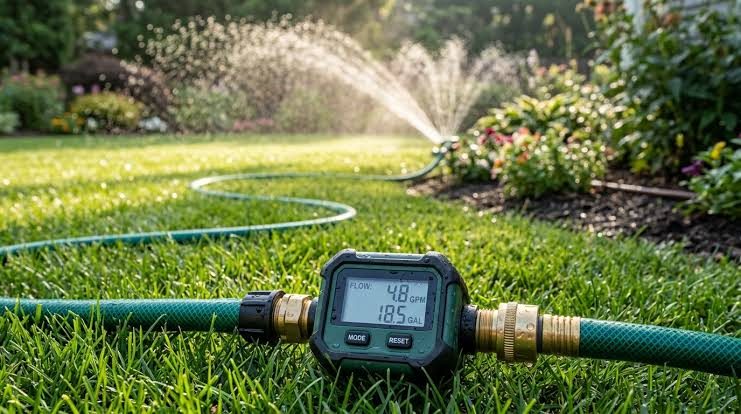
Most gardeners don’t know how much water their lawn receives. I did the same for years, until I added a water flow meter to my main hose bib and realised that my ‘quick evening watering’ was delivering nearly 90 gallons to a small lawn. I got a waterproof electrical box for my smart irrigation controller, and now guesswork is replaced with measurable, efficient outdoor watering. I’ve been writing about garden irrigation and testing gear in my own backyard over the past ten years, and these are the key factors in choosing both.
1. The Reasons You Need a Water Flow Meter for Garden Irrigation
Based on the U.S. EPA’s WaterSense program, outdoor watering accounts for approximately 30 percent of household water use. It also estimates that up to half of that water can be lost to evaporation, wind and runoff from inefficient watering. A garden water flow meter will tell you exactly how many gallons or litres are flowing through your hose or drip line. Which means you can water according to your plant’s needs and not habit. A mature lawn typically requires about an inch of water per week, rain included, and a meter makes it simple to achieve that goal.
2. Selection of the Appropriate Water Flow Meter
The simplest is the digital hose water meter for hose-end use. They screw between the spigot and the hose, run on a little battery, and have total volume and per-session volume. Mechanical dial meters need no power and work fine on permanent irrigation lines. Ultrasonic and smart Wi-Fi meters track irrigation water use to an app and can alert you to leaks. In my experience, the best place to start for most homeowners is with a basic digital water flow meter. The smart meter pays for itself on larger lawns with zoned sprinkler systems.
3. Check Accuracy, Flow Range and Fittings
The only way a meter is useful is if the readings are accurate, so find one with a stated accuracy of about plus or minus 5 percent. Its flow range should also match your setup. A 5/8-inch garden hose will provide 9 to 17 gallons per minute depending on water pressure, but drip systems are much lower. In the US make sure that the meter uses standard 3/4 inch garden hose threads (GHT). Choose brass or reinforced fittings over thin plastic. My first cheap water flow meter cracked at the threads in one season.
4. Why Would You Need a Waterproof Electrical Box Outside?
Smart irrigation controllers, solenoid valve wiring, pump timers and outdoor sockets all need protection from rain, sprinkler overspray and soil. A waterproof electrical box keeps these connections from getting wet. This prevents nuisance tripping, corrosion and short circuits. I used to blame my controller for random valve failures. That stopped them completely and I put the wiring into a sealed waterproof electrical box.
5. Know IP and NEMA Ratings
Ratings indicate how much water an enclosure can handle. IEC 60529 rates IP65 as an enclosure that is dust-tight and resistant to low-pressure water jets. IP66 offers protection against powerful jets, while IP67 means it can survive temporary immersion up to one metre for 30 minutes. NEMA 4X is a North American rating given to watertight and corrosion-resistant enclosures. If it is an electrical box installed near sprinklers, I think IP65 is the least waterproof. In low spots that collect water after heavy irrigation or rain, IP67 is worth the added cost.
6. Select a Durable Waterproof Electrical Box Material
UV-stabilized polycarbonate and ABS boxes will not crack in the sun, but fibreglass and stainless steel are better for tough coastal gardens. Use silicone or EPDM gaskets, cable glands sized to your wire, and stainless hardware. With a hinged or clear lid, the controller display can be read with the seal unbroken. If children or pets use the garden then a lockable waterproof electrical box is also a sensible option.
7. Install Both for Better Irrigation Control
Placement is a big deal for either device. Install the water flow meter downstream of any backflow preventer, but upstream of splitters or timers to measure the full volume going to the garden. At least a foot above ground and away from direct spray, mount the waterproof electrical box with cable entries coming from below. Outdoors GFCIs should protect circuits. Wiring must comply with local codes or be performed by a licensed electrician.
8. Improve Outdoor Watering Efficiency with Your Data
When both are running, check your meter readings weekly. I keep a simple notebook with gallons per zone and compare it with rainfall. That practice cut my outdoor summer water use by a quarter, with no loss in lawn quality. You can see the effect of changes like watering early in the morning, fixing leaking connectors, or converting flower beds to drip irrigation in the numbers.
Conclusion:
The two keys to reliable garden irrigation are accurate measurement of the water, and the protection of the electronics that control it. Select a water flow meter that has a track record of accuracy and good fittings, and place your controller in an appropriately rated waterproof electrical box. Then let the data dictate your watering schedule. Your lawn stays healthy, your water bill goes down, and you quit wasting water on runoff and overspray.