
Common Injuries Handled By Uber and Lyft Accident Lawyers
The last thing you want when driving into an Uber or Lyft is to be surprised and have an uncomfortable ride to your destination. However, accidents may occur anytime and in an unexpected manner, which leaves you in a situation with injuries that disrupt your daily routine, work, and peace of mind.
The injuries that can result after rideshare collisions can be mild, serious, or those that may not be seen until days later. Since these injuries may severely affect your health, financial and future stability, it becomes exceedingly vital to learn what sort of injuries Uber and Lyft accident attorneys specialize in, to prepare you to take the right steps after a crash.
The sections below will walk you through the most prevalent injuries that individuals sustain during rideshare accidents and how such legal help can assist in streamlining the recovery process.
1. Whiplash and Neck Strain from Sudden Impact
One of the most frequent injuries in rideshare crashes is whiplash. Even a small accident will make your head snap forward and back in a sudden movement, extending the muscles and ligaments of your neck.
This may result in stiffness, headaches, pains, and inability to move your head. The pain may sometimes appear several hours later, and this may initially cause the injury to be ignored.
A Lyft accident attorney would often help people who experience delayed neck symptoms. Since these injuries might need physical treatment, medications, or a long-term treatment process, early treatment and precise documentation will reinforce your argument.
2. Back Injuries and Spinal Complications from Sudden Impact

The Uber and Lyft crashes also result in very frequent back injuries. Any abrupt movement may put pressure on your lower or upper back or even your spinal discs.
You may feel sharp pain, tightness, or even numbness traveling down your legs if a nerve becomes irritated. These problems frequently cause discomfort in standing, sitting, or walking.
Since it may take a longer time to heal back injuries, and in some cases may result in chronic issues, lawyers work to make sure that your treatment, scans, and therapy costs are covered in your claim. This will alleviate financial strain while you recover.
3. Head and Concussion Injuries Caused by Crash Movement
During a rideshare crash, your head can hit a window, a seat, or a headrest. But your brain can move in your skull, even when it is not hit directly, resulting in a concussion.
The symptoms may include headaches, dizziness, confusion, photophobia, or lack of concentration. Some signs can occur later, which is why it is significant to visit a doctor right after an accident.
As concussion and other head injuries may impair memory, mood, or balance, lawyers treat such cases seriously. They also strive to make sure your medical assessments, follow-up appointments, and potential long-term consequences are well-recorded.
4. Broken Bones and Fractures in Rideshare Crashes
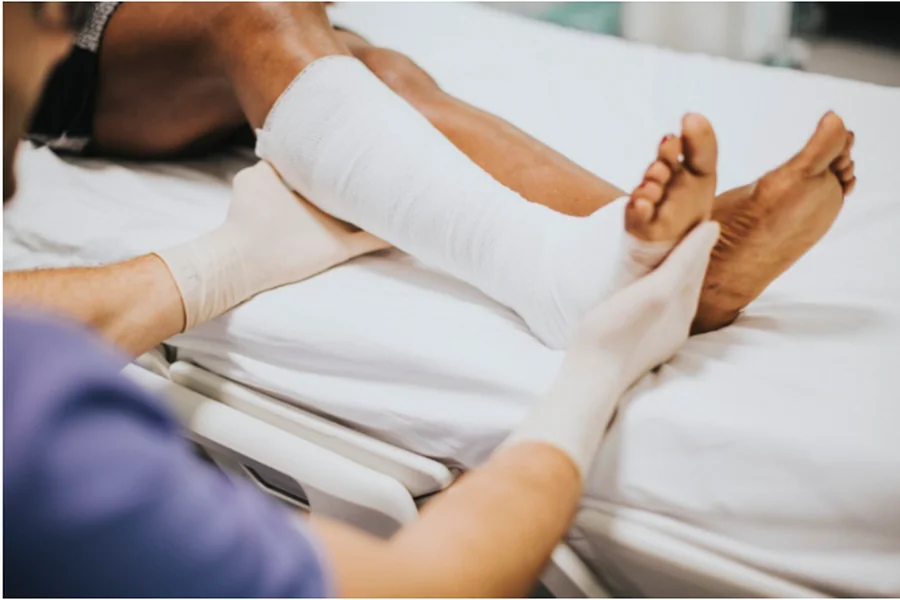
Rideshare collisions can create enough force to cause broken bones or fractures in your arms, legs, ribs, wrists, or hips.
These injuries may require casts, braces, or surgery, followed by weeks of rest and physical therapy. During this time, you may struggle to perform daily tasks or return to work.
Accident lawyers understand how disruptive fractures can be and help ensure you receive compensation for treatment, missed wages, and rehabilitation. This support can make your recovery much more manageable.
5. Internal Injuries and Hidden Organ Damage from Impact
Internal injuries are especially dangerous because they aren’t always visible. The pressure from a seatbelt or steering wheel during a crash can cause internal bleeding or damage to organs like the liver, spleen, or lungs.
You may not feel symptoms immediately, which is why doctors often recommend imaging tests after an accident.
Lawyers emphasize early medical testing because hidden injuries can quickly become life-threatening. By documenting tests, emergency care, and follow-ups, your lawyer helps ensure your claim reflects the seriousness of these injuries.
6. Cuts, Lacerations, and Scarring Caused by Debris or Broken Glass
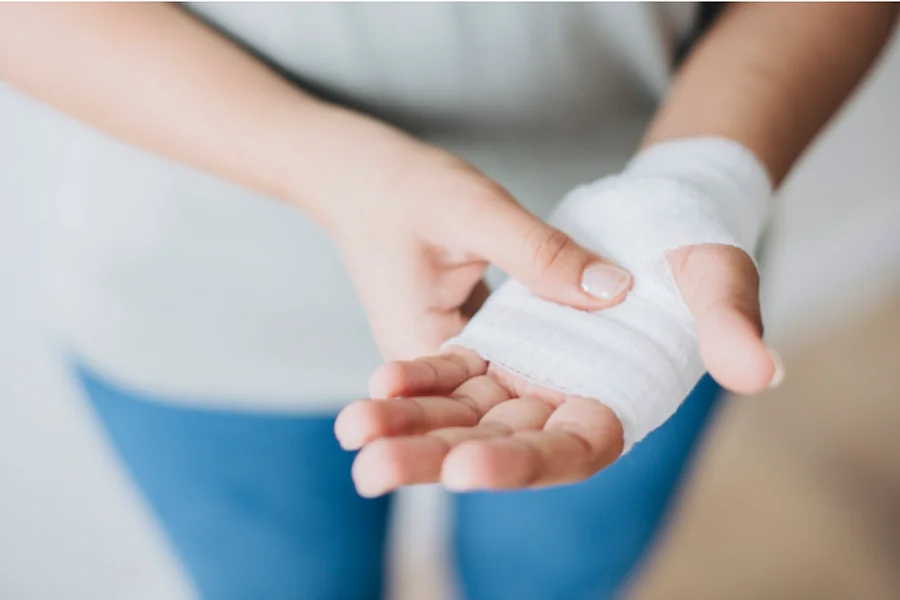
Rideshare crashes often involve shattered glass, sharp metal, or loose objects flying around the inside of the vehicle. These can cause cuts and lacerations on the face, arms, or hands.
Some wounds heal with basic care, while others require stitches or lead to lasting scars. Scarring can affect confidence and may require cosmetic treatment in the future.
Accident lawyers help account for these physical and emotional effects, including medical expenses and scar-reducing procedures, ensuring your claim reflects your full experience.
7. Emotional and Psychological Trauma Following Accident
Beyond the physical injuries, rideshare accidents can leave you with emotional distress. Many people experience anxiety, fear of traveling, stress, or trouble sleeping after the crash.
More serious emotional effects can include long-term trauma that affects your daily life, work, and overall comfort.
Because emotional injuries are just as real as physical ones, lawyers help gather counseling records and therapist evaluations, so your claim includes these challenges. Compensation can help support emotional healing and restore your sense of normalcy.
Conclusion
Uber and Lyft accidents may result in a number of different injuries, both physical and hidden, and some emotional. It may be neck strain, concussion, broken bone, internal injuries, cuts, or emotional trauma, but each injury should receive the care and attention it deserves.
By understanding the common injuries handled by rideshare accident lawyers, you gain the confidence to invest in safeguarding your well-being, as well as your rights. An informed attorney will assist in recording your damages, assist in the claims procedure, and advocate to compensate you to enable you to recover.
Ultimately, having the right assistance at the appropriate time will enable you to concentrate on the healing process as well as the knowledge that someone is at your side throughout the entire process.