
Creating Healthy Home Environments: The Intersection of Comfort, Wellness, and Daily Rituals
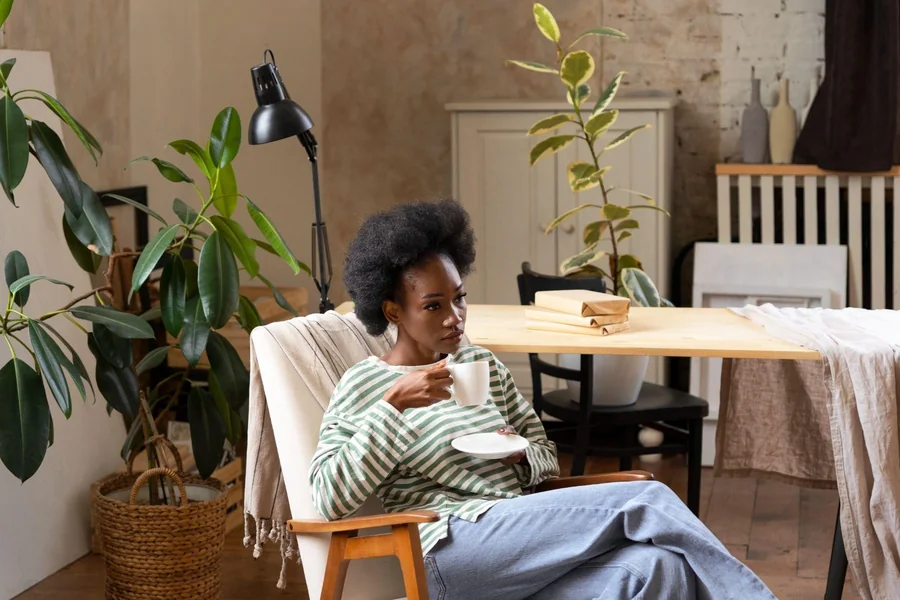
Home has always been more than a physical structure. It is a space where people recover from long days, connect with family, and find moments of calm amid an often demanding world. For many households, maintaining a healthy home environment begins with small, intentional choices, from how rooms are arranged to how they feel when you walk through the door. Something as simple as refreshing a space with an air freshener dispenser refill can be part of a broader ritual of care, signaling that comfort, cleanliness, and well-being matter in everyday life. While no single item defines a healthy home, these small practices often reflect deeper values tied to wellness, dignity, and balance.
Across Black communities in particular, the home has long served as a sanctuary, a gathering place, and a foundation for resilience. Creating environments that support physical and mental health is not a luxury but a meaningful form of self-preservation.
Why Home Environments Matter for Well-Being
The spaces people inhabit daily influence stress levels, sleep quality, focus, and mood. Research in environmental psychology has consistently shown that cluttered, noisy, or poorly maintained spaces can increase feelings of anxiety and fatigue, while clean, organized, and comfortable environments help promote a sense of control and calm.
For families balancing work, caregiving, and community responsibilities, the home often becomes a multi-purpose space. It may function as an office, classroom, meeting place, and retreat all at once. When the environment feels supportive rather than chaotic, it becomes easier to rest, connect, and recharge.
Comfort as a Daily Practice, Not a One-Time Project
Creating a healthy home environment is not about perfection or expensive renovations. It is about habits that are repeated over time. Opening windows for fresh air, keeping surfaces clean, letting in natural light, and maintaining pleasant sensory cues all contribute to comfort.
These routines often become rituals, passed down or shared within households. Tidying up at the end of the day, lighting a candle, or refreshing a room before guests arrive are gestures that signal care for both the space and the people who occupy it. Over time, such rituals create a rhythm that reinforces stability and belonging.
The Role of Sensory Experiences in the Home

Sensory elements play a powerful role in how a home feels. Light affects circadian rhythms, sound influences concentration, and scent is closely tied to memory and emotion. A familiar, pleasant scent can make a space feel welcoming and safe, especially after long hours spent outside the home.
According to insights from the National Institute of Environmental Health Sciences, indoor environmental quality, including air conditions and household practices, can significantly affect health outcomes and overall comfort. While discussions around air quality often focus on ventilation and pollutants, the broader idea remains that what fills a home’s atmosphere matters, both physically and psychologically.
Cleanliness, Care, and Cultural Meaning
Within many Black households, maintaining a clean and inviting home has historically carried cultural significance. Cleanliness has often been associated with respect, self-worth, and preparation for community and family gatherings. These values developed not only from personal preference but also as responses to external pressures and the need to create safe, affirming spaces in a society that has not always been welcoming.
Today, these traditions continue, though they may look different across generations. Whether preparing for a family dinner or creating a calm environment for rest, the act of caring for a home remains closely tied to caring for oneself and others.
Wellness Beyond Physical Health
A healthy home environment supports mental and emotional wellness as much as physical health. When a space feels orderly and intentional, it can reduce cognitive overload and help people transition more easily between responsibilities.
This is especially important in times of stress or uncertainty. Having a home that feels grounding can provide a sense of normalcy and control when external circumstances feel unpredictable. Small routines, repeated daily, offer reassurance and continuity.
Shared Spaces and Community Connection
Homes are also social spaces. They host celebrations, conversations, and moments of support. A welcoming environment encourages connection, whether it’s a neighbor stopping by or family members gathering after a long day.
In this sense, home wellness extends outward. When individuals feel comfortable and supported in their own spaces, they are better equipped to engage with their communities. The home becomes a base from which people contribute, advocate, and care for others.
Building Healthier Homes Over Time
Creating a healthy home environment is an ongoing process. Needs change with life stages, seasons, and circumstances. What remains constant is the value of intention. Thoughtful routines, attention to comfort, and respect for the space all contribute to an environment that supports well-being.
Rather than focusing on trends or quick fixes, many households find that sustainable comfort comes from consistency. By viewing the home as a living space that evolves alongside its occupants, wellness becomes integrated into daily life rather than treated as a separate goal.
In the end, healthy homes are built not through grand gestures but through everyday acts of care. These acts, repeated over time, shape environments that nurture both body and mind, reinforcing the idea that wellness often begins right at home.