
Roof Repair Planning for Problems Caused by Overhanging Trees and Falling Branch Debris
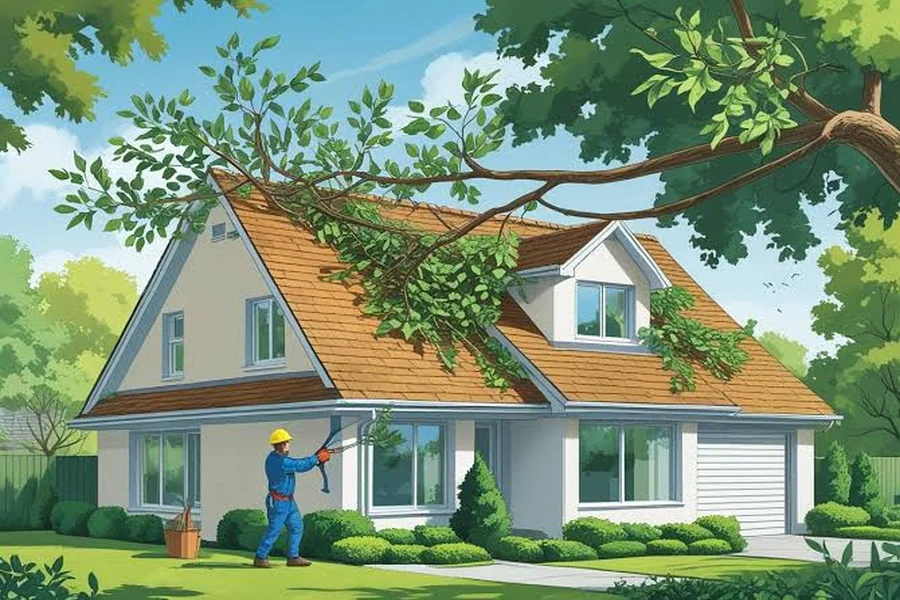
Trees can make a residential property more attractive, comfortable, and private, but their relationship with the roof deserves regular attention. Branches that extend over a house can drop leaves, twigs, seeds, and larger debris onto roofing surfaces throughout the year. Thoughtful Roof Repair planning should therefore consider surrounding vegetation as part of the conditions affecting the home.
Tree related roofing concerns are not limited to dramatic incidents involving large falling limbs. Repeated branch contact, persistent organic buildup, heavy shade, and small impacts can gradually create conditions that deserve professional evaluation. Because these effects develop differently across properties, homeowners benefit from observing how individual trees interact with the structure.
Safe observation is more useful than attempting to investigate questionable areas from the roof. Ridge Runner Roofing can evaluate roofing conditions when nearby vegetation appears to be contributing to material wear or physical damage. Understanding the relationship between trees and roofing surfaces helps homeowners address specific concerns without assuming every overhanging branch presents the same risk.
Understand How Branch Contact Affects Roofing Surfaces
Branches do not need to fall completely to affect roofing materials. A limb positioned close to the house may move repeatedly during windy conditions, allowing smaller branches to scrape against the surface.
Repeated contact can concentrate wear within one area. The effect may be subtle initially, particularly when the branch touches a section that homeowners cannot easily see from the ground.
Homeowners can watch tree movement during ordinary windy weather from a safe location. If branches consistently reach the roof, professional evaluation can determine whether the affected surface shows material changes requiring attention.
Treat Falling Limbs Differently From Ordinary Debris
Leaves and seeds usually create maintenance concerns, while falling branches can create direct physical impact. Even a limb that appears relatively small may strike roofing materials with considerable force after dropping from height.
Visible damage after an impact may not reveal everything that occurred. A branch can disturb materials in a concentrated location while nearby sections continue looking normal from the yard.
After a significant limb falls onto the house, homeowners should document the event and avoid climbing up to move heavy material themselves. Safe professional assessment provides a clearer understanding of the affected area.
Watch for Repeated Debris in Sheltered Areas
Organic debris often settles where roof features interrupt its movement. Leaves, bark fragments, needles, and small twigs can remain in sheltered sections instead of leaving the surface naturally.
Observe Patterns Rather Than Isolated Leaves
A few scattered leaves are different from recurring piles that return after every windy period. Persistent accumulation suggests that the roof and nearby vegetation create a predictable collection area.
Ridge Runner Roofing can examine these locations when homeowners notice recurring buildup or changes to surrounding materials. Identifying the pattern helps distinguish routine seasonal debris from conditions that may deserve closer attention.
Consider the Effects of Persistent Shade
Trees influence roofing conditions even when branches never touch the house. Dense foliage can shade certain sections for much longer periods than open areas receive shade.
Different exposure conditions can cause neighboring roof sections to age differently. Shaded areas may remain damp longer after rain or morning moisture, particularly where airflow is limited by dense vegetation.
Homeowners should compare visible sections periodically without assuming the entire roof experiences identical conditions. Uneven environmental exposure is useful context during professional evaluations and routine maintenance discussions.
Look at Trees From the Roof’s Perspective
A tree that seems comfortably separated from the house at ground level may have upper branches extending over substantial portions of the roof. Viewing the relationship from several safe positions can reveal how far the canopy actually reaches.
Seasonal growth also changes that relationship. Young branches can extend considerably between pruning cycles, while mature limbs may sag or shift as their weight and condition change.
Homeowners should evaluate future growth rather than only present clearance. Landscape decisions made today can influence how frequently roofing surfaces encounter branches and organic material later.
Pay Attention After Tree Trimming
Tree trimming can reduce unwanted contact, but the work itself should be coordinated carefully around the house. Cut limbs need controlled removal so they do not drop onto roofing surfaces below.
Homeowners should discuss nearby structures with tree professionals before work begins. Roofing surfaces, exterior equipment, windows, landscaping, and access areas may all require consideration while branches are being removed.
After substantial trimming, a ground-level visual check can identify obvious debris or unexpected changes. If a limb contacted the roof during the work, documenting the location makes subsequent evaluation more focused.
Recognize When Tree Health Changes the Risk
Healthy trees and declining trees can present different concerns. Dead branches, visible cracking, storm-weakened limbs, or significant changes in the canopy may increase the likelihood of material falling toward the house.
Homeowners are not expected to diagnose tree health themselves. An arborist can evaluate vegetation when structural condition, disease, or branch stability is uncertain.
Roofing and tree professionals address different parts of the situation. Coordinating their observations can be useful when vegetation condition and roofing exposure appear closely connected.
Avoid Cutting Branches From the Roof
Overhanging limbs can tempt homeowners to handle trimming from whatever position seems closest. Working from a roofing surface while using cutting tools introduces serious fall and injury hazards.
Branches can also move unpredictably once cut. Their weight may shift toward the worker, roofing surface, ladder, or other exterior components.
Professional tree services have equipment and procedures suited to vegetation management. Homeowners can focus instead on identifying concerns from safe locations and arranging appropriate help.
Document Areas Affected by Branch Impact
Photographs are valuable when a specific branch strikes the house. Images taken safely from the ground can show the approximate impact location and preserve evidence before smaller debris is removed.
Homeowners should also record the date and circumstances surrounding the event. Wind, tree trimming, or a naturally failing limb can provide useful context for later evaluation.
Ridge Runner Roofing can use that information while examining the roofing area itself. Clear documentation reduces uncertainty about which section experienced the impact and when the event occurred.
Coordinate Landscaping With Roofing Maintenance
Landscaping decisions can reduce repeated conflicts between vegetation and the house. Tree placement, mature canopy size, pruning needs, and branch direction deserve consideration when homeowners add or modify landscaping.
Existing trees may require a practical maintenance schedule rather than removal. Strategic pruning can preserve shade and appearance while reducing direct contact with roofing surfaces.
Coordination is especially helpful before exterior work begins. Tree professionals may need access near the house, and roofing professionals may benefit from improved clearance around areas requiring service.
Respond to Damage Based on Actual Conditions
Not every twig, leaf pile, or overhanging branch indicates serious roofing damage. The appropriate response depends on what has actually happened to the materials and whether physical changes are present.
Professional Roof Repair should address confirmed damage rather than assumptions based solely on nearby vegetation. An evaluation can separate ordinary environmental exposure from localized conditions that require corrective work.
This distinction helps homeowners avoid both unnecessary alarm and excessive delay. Specific evidence provides a stronger basis for decisions than treating every tree related condition as equally urgent.
Manage Trees as Part of Exterior Home Care
Trees and roofs can coexist successfully when homeowners pay attention to how they interact. Branch clearance, seasonal growth, recurring debris, shade, tree health, and occasional impacts all influence the conditions roofing surfaces experience.
Regular observation can reveal changing relationships before they become difficult to manage. Homeowners should use safe viewing locations, keep records of significant events, and rely on qualified professionals for work involving heights or unstable branches.
A practical approach protects both the landscape and the house. By coordinating vegetation care with roofing maintenance, homeowners can preserve valuable trees while reducing avoidable contact, recognizing genuine damage sooner, and making informed decisions about the exterior areas that protect their living space.