
Essential Tools for Reliable Electronic Assembly and Repair
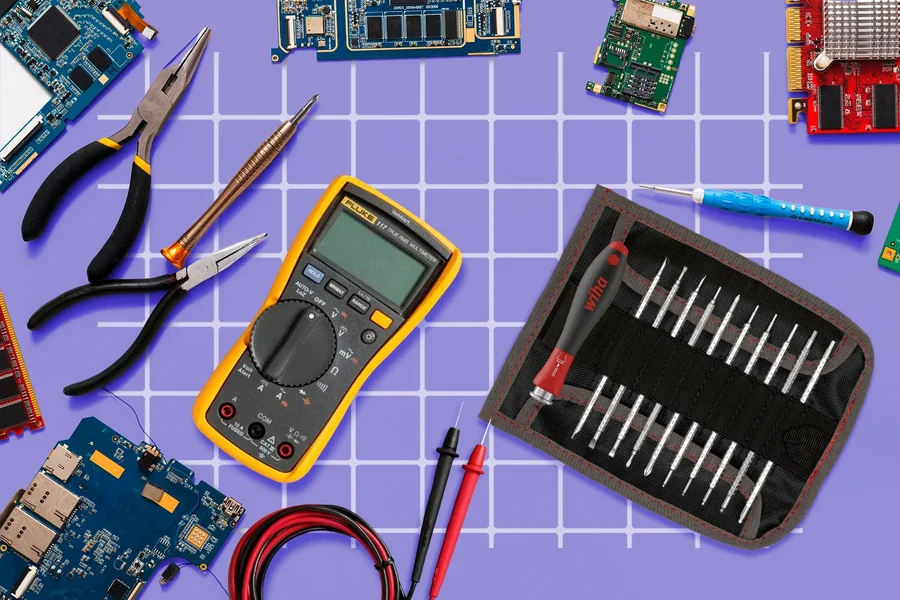
Electronics have become a part of everyday life, powering everything from smartphones and laptops to home appliances and industrial machines. Behind every functioning electronic device is a network of small components connected through carefully built electrical pathways. These connections must be precise and reliable, because even a small fault can interrupt the entire system.
When assembling or repairing electronic circuits, creating strong electrical connections is one of the most important steps. Components such as resistors, capacitors, wires, and connectors must be attached securely so that electricity can flow properly between them. If connections are weak or poorly formed, devices may experience intermittent performance issues, overheating, or complete failure.
To make these connections durable and conductive, technicians rely on specialized tools designed to melt a metal alloy called solder. The heated tool used in this process is known as a soldering iron, which allows users to apply controlled heat to electronic joints and create stable connections between components. This simple yet essential tool is widely used by electronics technicians, engineers, and hobbyists who work with circuit boards and electrical systems.
Understanding the Soldering Process
Soldering is a method of joining two or more metal surfaces using a filler material known as solder. Unlike welding, the metals being joined are not melted. Instead, the solder melts and flows between the surfaces, creating both a mechanical and electrical bond once it cools.
This technique is particularly useful in electronics because the components used in circuits are sensitive to extreme heat. By using solder, connections can be made at relatively low temperatures without damaging the surrounding parts.
Once the solder solidifies, it forms a stable joint that allows electrical current to pass through efficiently. These joints must be smooth, clean, and properly formed to ensure reliable device performance.
Why Proper Tools Matter
The quality of electronic connections depends heavily on the tools used during assembly or repair. Using the wrong equipment or improper temperature levels can lead to poor joints that eventually fail.
Professionals choose tools that allow precise heat control so that solder melts evenly without overheating components. The soldering iron plays a key role in this process because it provides the heat needed to melt solder accurately while allowing the user to work with small and delicate parts.
Good tools make it easier to achieve consistent results, especially when working on complex circuit boards where components are placed very close together.
Common Applications in Electronics
Soldering is widely used across many industries and technical fields. Because electronic components must be securely connected, this process is essential in both manufacturing and repair environments.
Circuit board assembly
Printed circuit boards contain numerous electronic components that must be connected to conductive pathways. Soldering secures each component in place and ensures electrical continuity.
Repairing electronic devices
Technicians frequently repair damaged electronics by replacing faulty components or fixing broken connections. Soldering allows them to restore proper functionality.
Wire connections
Many electrical systems require wires to be attached to terminals or connectors. Soldering helps create durable connections that resist vibration and movement.
Prototyping and experimentation
Engineers and hobbyists often build experimental circuits when developing new ideas or testing designs. Soldering allows components to be permanently attached to circuit boards during this process.
Because of its versatility, soldering remains one of the most widely used techniques in electronics.
Types of Soldering Equipment
There are several types of tools available for soldering, each designed for specific tasks.
Basic electric models
These are commonly used for simple repairs and DIY projects. They are lightweight, affordable, and suitable for general electronic work.
Temperature-controlled tools
These allow users to adjust the heat level depending on the sensitivity of the components being soldered. This helps prevent overheating delicate parts.
Portable versions
Some models are designed for field work and may run on batteries or portable power sources, making them useful in locations without easy access to electricity.
Professional soldering stations
These systems include a base unit that regulates temperature and provides additional features such as digital controls and stable stands for the heated tool.
Selecting the right equipment depends on the type of work being performed and the level of precision required.
Importance of Temperature Control
Temperature control is one of the most important aspects of successful soldering. If the temperature is too low, the solder may not melt properly, resulting in weak joints. If the temperature is too high, electronic components or circuit board traces can be damaged.
A properly heated soldering iron allows the solder to melt smoothly and flow into the joint, creating a strong bond between the metal surfaces.
Maintaining the correct temperature also improves efficiency by reducing the time needed to complete each joint.
Safety Practices
Working with heated tools requires careful attention to safety. Although soldering is a common process, the high temperatures involved can cause burns if the equipment is handled improperly.
Some important safety practices include:
- Always placing the heated tool in a stand when not in use
- Avoiding contact with the hot tip
- Working in a well-ventilated space to reduce exposure to fumes
- Keeping flammable materials away from the work area
Following these precautions helps create a safer working environment and prevents accidents.
Tips for Achieving Better Results
Good soldering technique improves both the strength and appearance of electronic joints. Beginners can improve their results by following a few basic tips.
Keep the tip clean
Residue buildup can affect heat transfer. Cleaning the tip regularly ensures consistent performance.
Use the right amount of solder
Too much solder can create bridges between connections, while too little may produce weak joints.
Heat the connection properly
The metal parts being joined should be heated first, allowing the solder to flow naturally into the joint.
Work efficiently
Applying heat for too long can damage components, so it is best to work quickly once the solder melts.
Practicing these techniques helps produce clean, reliable connections in electronic circuits.
Conclusion
Electronic devices rely on precise connections between components to function correctly. Whether assembling a new circuit or repairing an existing one, creating durable and conductive joints is essential.
Soldering remains one of the most effective ways to achieve these connections. With the right tools and proper technique, technicians and hobbyists can build reliable electronic systems that perform consistently over time.
By understanding how the process works and using the correct equipment, anyone working with electronics can produce strong and dependable connections that keep modern technology running smoothly.