
The Growing Demand for Durable Commercial Storage Units
Businesses today are operating in a very different environment than they were just a decade ago. Inventory moves faster. Supply chains stretch across states and countries. Construction projects scale quickly. E-commerce continues to expand. All of this creates one simple but pressing need: reliable space to store materials, tools, and products.
Warehouse leases can be expensive and inflexible. Off-site storage often adds transportation time and cost. For many companies, the smarter move is to bring storage closer to their operations. That’s why durable commercial storage units are seeing steady growth in demand across multiple industries.
As businesses look for stronger and more adaptable solutions, heavy-duty steel storage options are becoming a practical choice.
Why Businesses Are Turning to Heavy-Duty Modular Storage
Durability is the first reason companies are rethinking their storage strategy. Commercial storage units made from reinforced steel are built to withstand tough weather conditions, long-term outdoor exposure, and frequent use. Unlike temporary sheds or lightweight structures, these units are designed for strength and longevity.
Construction firms, for example, need secure space for tools and materials directly on job sites. Retailers require overflow storage during peak seasons. Manufacturers may need extra room for raw materials. In each case, businesses want storage that is reliable and secure.
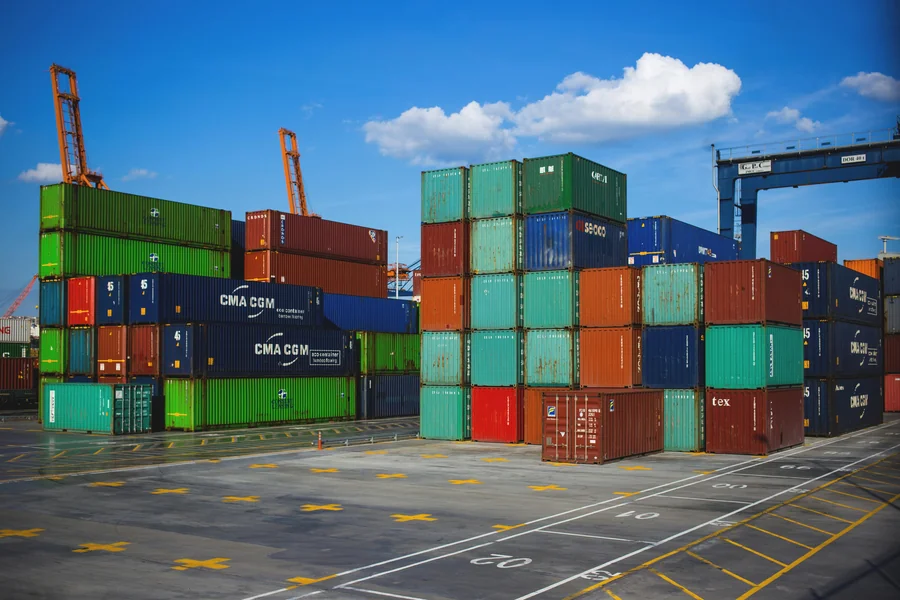
When comparing long-term options, many companies researching shipping containers for sale discover that steel containers offer a cost-effective and durable alternative to traditional warehouse rentals. These containers are typically made from heavy-duty steel, built to handle transport across oceans, and designed to endure harsh conditions. That level of strength makes them ideal for protecting valuable inventory and equipment.
Another advantage is availability. Businesses can choose from different sizes, such as 20-foot and 40-foot units, depending on their needs. They can also select new or used options, allowing for flexibility in budget planning. Instead of committing to long-term leases, companies can purchase storage assets that remain under their control.
This shift reflects a larger trend. Businesses want more ownership over their infrastructure. Durable storage units allow them to reduce dependency on third-party facilities while keeping assets close and accessible.
Flexibility and Scalability for Growing Operations
Durable commercial storage units are not just strong; they are flexible. Businesses rarely stay the same size for long. Projects expand. Inventory fluctuates. New opportunities arise.
Modular steel containers make it easy to scale up. A company can start with one unit and add more as demand grows. Because these containers are stackable and designed for transport, they can be repositioned or relocated as operations shift.
For construction companies working across multiple job sites, portability is critical. Instead of building permanent storage structures, they can move containers from one location to another. This reduces setup time and eliminates the need to start from scratch with each new project.
Retailers also benefit from this flexibility. During high-volume seasons, additional storage units can be placed on-site to manage overflow inventory. When demand slows, the units remain available for future use rather than incurring ongoing rental fees.
This ability to adapt quickly supports business growth without locking companies into rigid infrastructure.
Strengthening Security and Asset Protection
Security concerns have also contributed to the growing demand for durable storage solutions. Theft and vandalism can result in significant financial losses, especially in industries like construction and logistics.
Steel containers offer strong protection. Their reinforced structure and heavy-duty locking systems make unauthorized access difficult. Keeping valuable tools, machinery, or inventory in secure containers on-site reduces the risk associated with leaving equipment exposed.
Weather protection is another key benefit. Rain, snow, and extreme heat can damage materials stored in open or poorly insulated areas. Steel containers are designed to be weather-resistant, helping protect sensitive items from moisture and environmental damage.
For many businesses, investing in secure storage is not just about convenience. It is about risk management. Protecting assets directly impacts the bottom line.
Beyond the physical logistics of moving inventory and equipment, business owners must also consider the legal and financial safeguards necessary for long-term stability. As operations expand and physical assets accumulate, integrating comprehensive planning becomes a priority to shield these investments from unforeseen liabilities. Consulting with professional Ohio asset protection attorneys at Jarvis Law Office, P.C. can provide the structural guidance needed to ensure that a growing enterprise remains resilient against external claims. This proactive approach to managing a company’s broader portfolio mirrors the careful planning required when selecting a secure storage facility. By addressing both physical security and legal protection, entrepreneurs can focus on scaling their business with confidence and total peace of mind.
Expanding Use Across Multiple Industries
While construction and logistics are major users of commercial storage units, demand extends far beyond those sectors.
Retailers use them to manage seasonal merchandise. Agricultural operations rely on them to store equipment and supplies. Event management companies store staging materials, tents, and lighting equipment in secure units between events. Even emergency response teams use portable containers to store critical supplies that must be deployed quickly.
Some businesses choose to modify containers with shelving, lighting, or climate control features. These adjustments increase functionality and make the units suitable for a wide range of applications.
The versatility of steel storage units makes them attractive to businesses looking for long-term value rather than temporary fixes.
Supporting Supply Chain Stability
Supply chain disruptions have made businesses more cautious about inventory management. Delays in transportation can create shortages that impact revenue and customer satisfaction.
Having on-site storage allows companies to keep buffer inventory readily available. Instead of relying entirely on just-in-time delivery systems, businesses can store extra materials or products nearby.
This added control improves operational efficiency. Teams spend less time waiting for deliveries and more time focusing on productivity. Reduced reliance on distant storage facilities can also lower transportation costs.
In uncertain economic conditions, that level of stability provides peace of mind.
The rising demand for durable commercial storage units reflects broader changes in how businesses operate. Companies want flexibility, security, and cost control. They want infrastructure that can move and grow with them.
Steel storage containers meet those needs. They are strong, adaptable, and built for long-term use. They reduce dependence on leased warehouses and help protect valuable assets. They support supply chain resilience and provide scalable solutions for growing operations.
For businesses seeking practical, durable storage, the shift toward commercial steel units is not a passing trend. It is a strategic response to modern operational challenges.
As industries continue to evolve, storage will remain a critical part of the equation. Durable commercial units are proving to be one of the most reliable tools businesses can invest in to stay prepared, protected, and ready for growth.