
How Spark Plug Condition Affects Aircraft Engine Performance
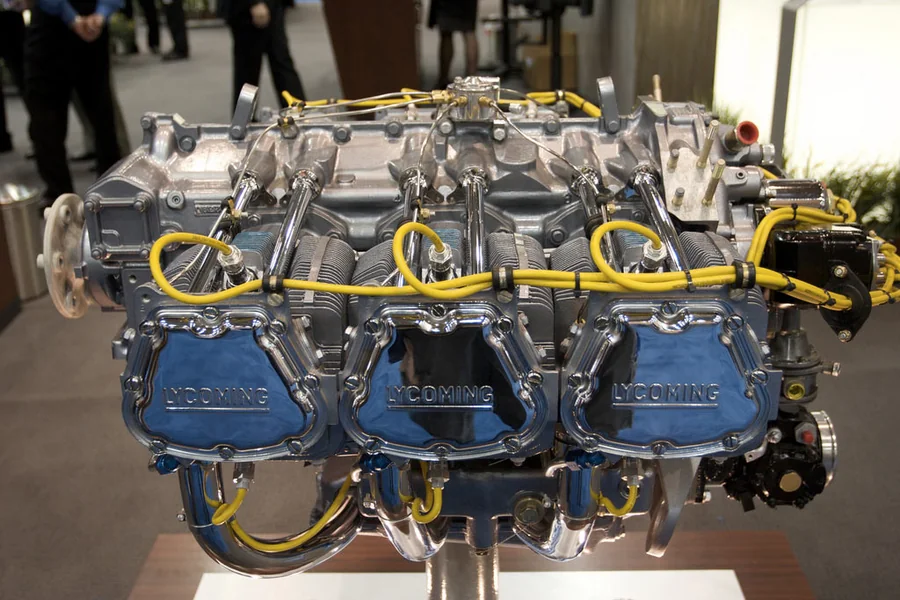
Spark Plug Condition and What It Actually Does to Aircraft Engine Performance
Small parts. Enormous consequences. Think about what’s actually keeping an aircraft engine firing cleanly at altitude — and spark plugs rarely top anyone’s mental list. Yet they directly shape how well the engine performs, every single flight. Pilots, mechanics, and owners who understand what plug condition does to an engine make sharper calls about maintenance before something goes wrong. That matters most when you’re operating at high altitude or in rough weather, where any hesitation from the powerplant isn’t just inconvenient — it’s dangerous.
How Spark Plugs Function in Aircraft Engines
Every cylinder needs a spark to ignite the fuel-air mixture. That’s the whole job. But aircraft spark plugs face conditions that would destroy an automotive plug in short order — wild temperature swings, altitude-driven pressure drops, sustained high-load operation. Most aircraft engines run two plugs per cylinder. Not because one wouldn’t technically work, but because the redundancy is a deliberate safety margin built right into the design. Each plug fires a precisely timed arc. Get that timing and spark quality right, and combustion happens exactly when it should — clean power, smooth delivery. Let it slip, and the problems compound fast.
Consequences of Worn or Fouled Spark Plugs
Fouling is the most common culprit. Carbon buildup, lead residue, oil contamination — any of it can coat the electrodes and kill the spark before it jumps the gap. The result? Hard starts. Rough idle. Hesitation when you push the throttle. Worn plugs carry their own problems too; an electrode gap that’s grown too wide forces the ignition system to work harder just to bridge the distance. Sometimes it can’t. When a plug misfires, that cylinder either partially combusts or doesn’t fire at all. Power drops. The engine runs unevenly. In a bad enough case, the vibration becomes obvious from the cockpit — you feel it before you fully understand what’s causing it.
Effects on Engine Power and Efficiency
Good plugs mean complete, consistent combustion. Every fuel charge burns the way it’s supposed to, and the engine extracts full energy from it. As plugs deteriorate, combustion gets sloppy — incomplete burns, delayed ignition timing, the engine straining to hold the same power output. Fuel consumption climbs. Range shrinks. Neither is trivial when you’re planning a cross-country flight on a tight fuel budget. Plug degradation can also skew the effective fuel-air ratio, pushing the mixture to lean or rich of where it should be. Pilots start noticing sluggish climb performance, lower cruise speeds, and throttle positions that no longer produce the expected result. All of it traces back to what’s happening at the electrode.
The Importance of Regular Inspection and Replacement
Scheduled inspection isn’t optional — it’s the foundation of keeping an aircraft engine airworthy. Mechanics pull plugs at manufacturer-specified intervals and examine them carefully: electrode wear, corrosion, gap measurement, residue buildup. The gap check alone requires precision tools; eyeballing doesn’t cut it. Aircraft owners and technicians sourcing replacement components frequently consult professionals at pilot john international, who assist in identifying correct parts that align with engine manufacturer specifications. When a plug falls outside acceptable limits, replacement isn’t a judgment call anymore — it’s mandatory. Stick to the replacement intervals, and the engine keeps performing the way it was designed to. Skip them, and you’re gambling on components that are already past their reliable service window.
Keeping solid records matters too. Every inspection date, every finding — that paper trail supports annual inspections and gives a clear picture of how the engine is aging over time. It’s not glamorous about recordkeeping, but it pays off when something unexpected surfaces later.
Spark Plug Condition and Engine Reliability
Takeoff and climb are unforgiving phases. The engine is working hard, and there’s no altitude buffer if something misfires at the wrong moment. A plug in good condition fires reliably under those loads — high temps, low ambient pressure, maximum power demand. Degraded plugs can’t guarantee that. Their ability to perform under stress diminishes as they age, and the failure risk grows exactly when you can least afford it. Yes, two plugs per cylinder means one can cover the other in a pinch. But that’s a fallback, not a strategy. Some pilots have flown home on one plug per cylinder — the engine kept running, though roughly. That scenario is survivable. It’s not a maintenance philosophy.
Conclusion
Small components. Outsized impact. Spark plugs sit at the center of reliable engine operation, yet they’re easy to overlook right up until they cause a problem. Regular inspection, timely replacement, and strict adherence to manufacturer guidelines keep them doing their job — consistent ignition, efficient combustion, dependable power. Pilots and mechanics who track plug condition closely catch deterioration before it becomes a safety issue. Treat spark plugs like the critical components they are, maintain them properly, and every flight benefits from the discipline behind that decision.
Modern aircraft maintenance is becoming increasingly data driven through digital diagnostics and predictive maintenance technologies. Advanced engine monitoring systems can track ignition performance, cylinder temperatures, and other operating parameters in real time, helping maintenance teams identify potential spark plug issues before they affect engine reliability. These innovations improve safety, reduce unexpected downtime, and support more efficient maintenance planning. Readers interested in the latest developments in aviation technology, smart diagnostics, and engineering innovations can find additional coverage on Root-Nation, which regularly explores emerging technologies across the transportation and technology sectors.