
The Evolution of Injectable Treatments in Cosmetic Beauty
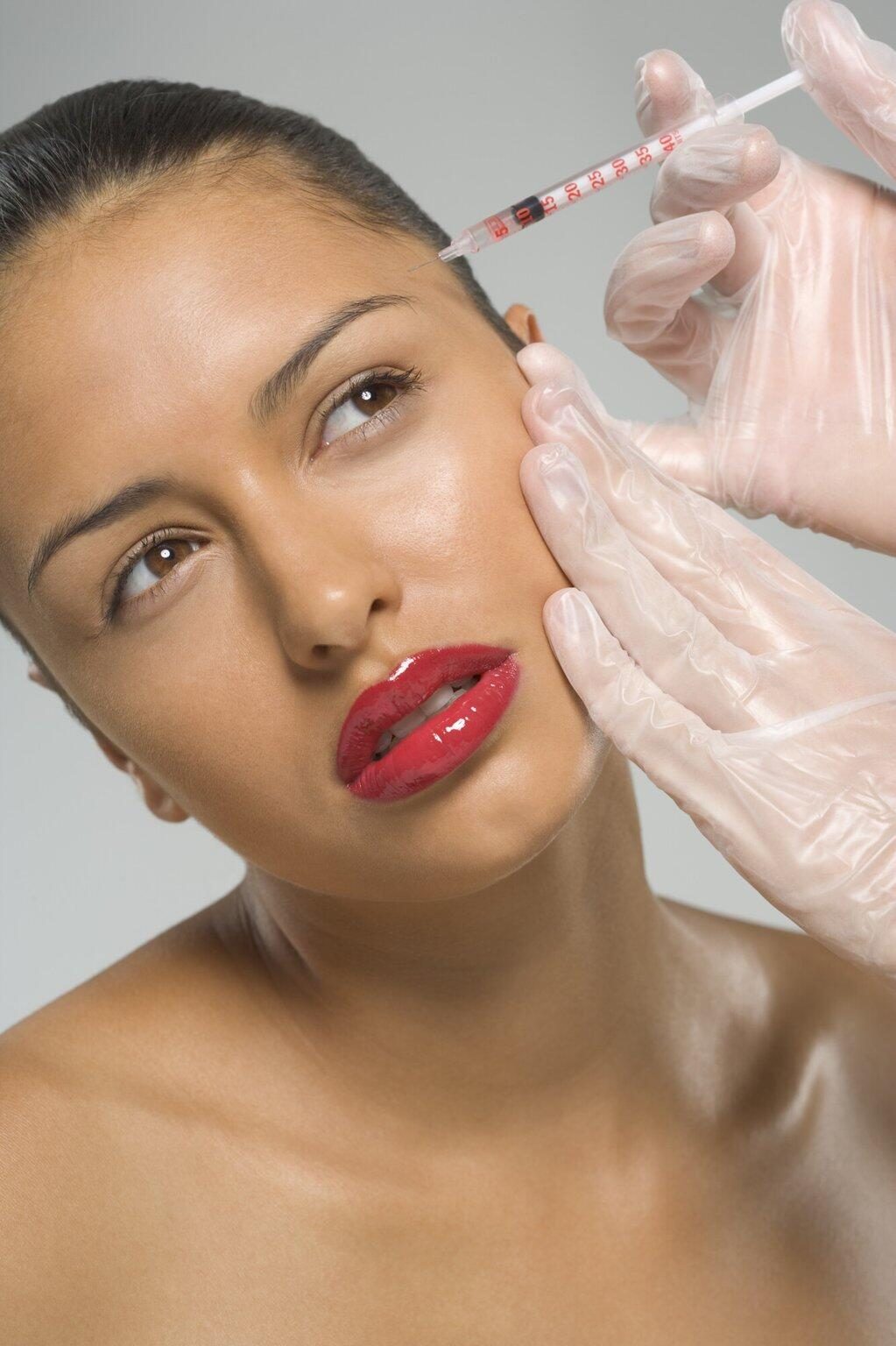
Injectable treatments have become a common part of modern cosmetic care. Many people choose these treatments because they can soften lines, restore facial volume, and create small changes without surgery. They often require less recovery time than surgical procedures.
The field has changed greatly over the years. Treatments once used only for medical needs are now common in cosmetic clinics. New products, tools, and methods have also made care more precise.
Continue reading to discover everything you need to know!
From Medical Use to Cosmetic Care
Botulinum toxin was first studied for medical reasons. Doctors used it to help manage certain muscle problems and eye conditions. Over time, they noticed that it could also reduce the look of lines caused by muscle movement.
This discovery led to its use in cosmetic care. Treatments such as Botox became known for softening lines around the forehead, eyes, and other facial areas.
The change did not happen all at once. Doctors needed to study safe amounts, treatment areas, and possible side effects. As more research became available, cosmetic use became more accepted.
The Rise of Natural-Looking Results
Beauty trends have changed over time. Many patients now prefer small improvements instead of major changes. They often want to look rested or refreshed while still looking like themselves.
This has led providers to use more careful treatment plans. Instead of treating every patient in the same way, they study facial shape, muscle movement, skin condition, and personal goals.
Injectable treatments may help with:
- Fine facial lines
- Lost cheek volume
- Lip shape
- Facial balance
- Skin texture
Dermal fillers are often used to add volume or shape. Wrinkle-relaxing injections work in a different way by reducing certain muscle movements.
New Tools Improve Treatment Methods
Technology has helped improve the way injectable treatments are given. Ultra-fine needles may reduce discomfort, while other tools can help providers place products more carefully.
Microcannulas are another option used in some treatments. These thin tubes may allow the provider to reach a wider area through fewer entry points. This can sometimes reduce swelling or bruising, although results vary.
Better facial mapping supports treatment planning. Providers can study balance, movement, and shape before deciding where to place an injection.
New products continue to enter the market as well. Some are designed for softer areas, while others offer stronger support. With new cosmetic products continuing to emerge, services such as CosmediCheck can also be considered when researching aesthetic treatments and evaluating available options.
For those exploring professional cosmetic treatments, a reputable med spa St Petersburg can provide access to different injectable options based on individual aesthetic goals.
Safety and Personal Care Matter Most
Injectable treatments may be quick, but they still carry risks. Possible side effects can include swelling, bruising, redness, pain, or uneven results.
Patients should choose a licensed and trained provider. A full consultation should happen before treatment. The provider should ask about medical history, medicines, allergies, past procedures, and personal goals.
Patients should also receive clear details about:
- Expected results
- Possible side effects
- Recovery needs
- Follow-up care
- Warning signs
Social media can make treatments look simple, but photos do not show the full process. Results may also be edited or taken under special lighting.
Choose Injectable Treatments With Care
Injectable treatments have moved from medical care into a major part of modern beauty services. New products and tools have made treatments more flexible and precise.
However, safety should always come before speed or price. Patients should research the procedure, ask questions, and choose an experienced provider.
Schedule a consultation with a qualified aesthetic professional to discuss your goals, review suitable options, and create a treatment plan focused on safe and natural-looking results.
Did this guide help you? Check out the rest of our site for more!