
Innovations in Cosmetic Surgery: What Patients Should Know
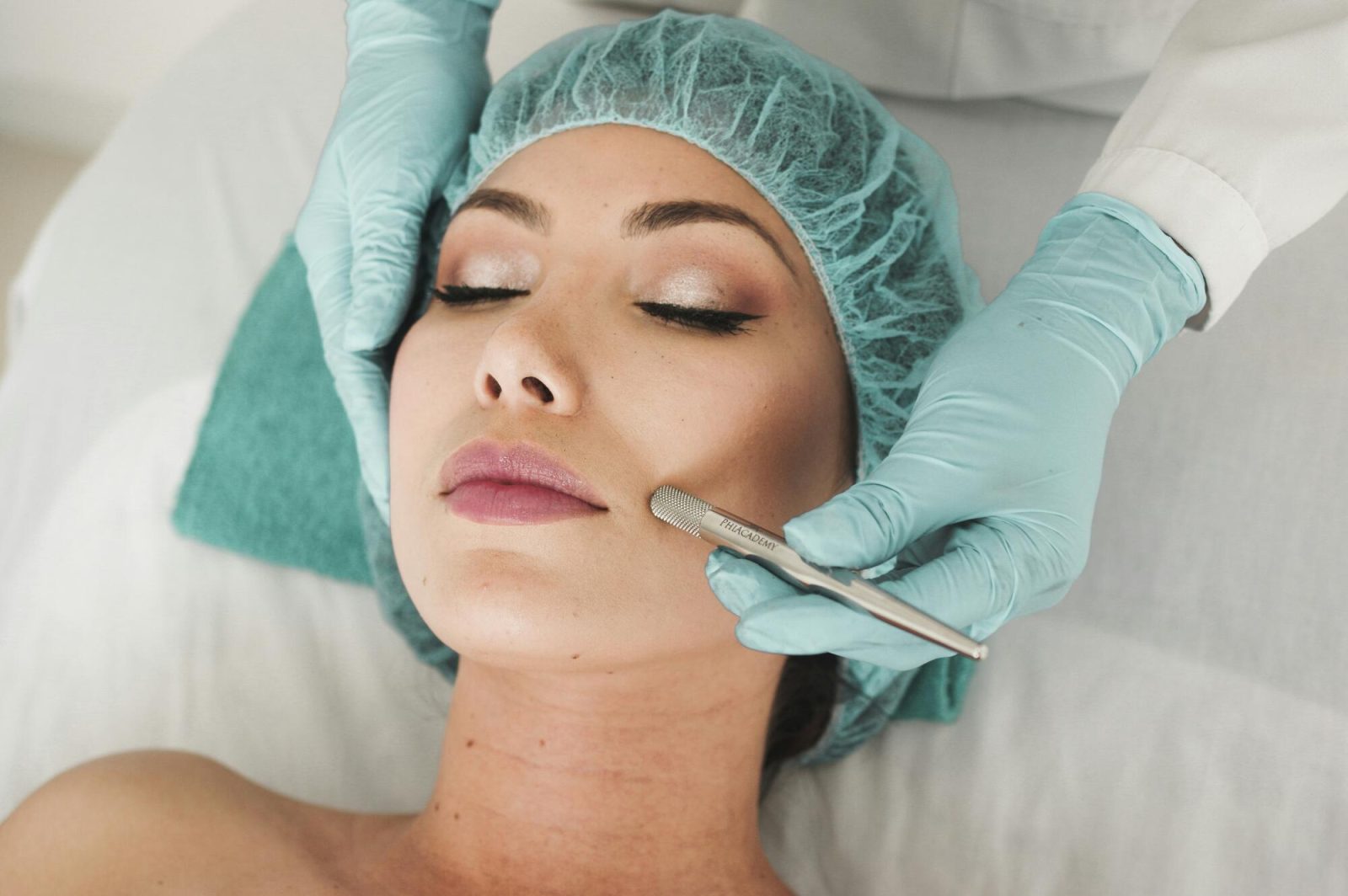
Cosmetic surgery has changed greatly in recent years. New tools and methods now give patients more choices when they want to change or improve part of their appearance. Some procedures are small and subtle, while others involve a larger change.
These advances may lead to shorter recovery times, smaller scars, and more natural-looking results. However, every procedure still carries risks. Patients should learn about their options, understand the recovery process, and choose a trained surgeon before making a decision.
Less Invasive Options Are Growing
Many patients now look for treatments that do not require major surgery. These options may include injectables, laser treatments, ultrasound, and radiofrequency devices.
Possible benefits include:
- Shorter recovery time
- Smaller treatment areas
- Less visible scarring
- Gradual results
- More treatment choices
These procedures may help with fine lines, skin texture, facial volume, or mild skin looseness. They can be a useful choice for people who are not ready for surgery.
However, non-surgical does not mean risk-free. Swelling, bruising, pain, or uneven results may still happen. Patients should ask how long the results may last and whether more than one treatment will be needed.
Rhinoplasty Methods Continue to Improve
Rhinoplasty is surgery that changes the shape or function of the nose. It may be performed for appearance, breathing problems, or both.
Modern methods allow surgeons to plan the procedure with more detail. Digital imaging may help patients understand possible changes before surgery. These images are only a guide and cannot promise an exact result. A person considering a nose job should ask about the technique, healing time, risks, and expected outcome. Full healing may take months, even when early swelling improves sooner.
Some surgeons use a closed method, with cuts made inside the nose. Others use an open method, which may include a small cut between the nostrils. The best choice depends on the patient’s needs and the surgeon’s plan.
Facial Procedures Offer More Personal Choices
Facial treatments can now be planned around the shape and balance of each person’s face. The goal is often to create a natural result rather than a major change.
Dermal fillers may restore volume in the cheeks, lips, or other areas. Fat grafting uses fat from another part of the body to add volume to the face.
Neck lift surgery may improve loose skin around the neck and jawline. Other procedures may focus on the eyelids, brows, or face.
Choosing the Right Surgeon Matters
The surgeon’s training and experience can affect both safety and results. Patients should choose a licensed professional with experience in the exact procedure they are considering.
During a consultation, ask about:
- Training and certification
- Past experience
- Possible risks
- Recovery time
- Follow-up care
The surgeon should listen to the patient’s goals and explain what is realistic. They should not pressure someone to book quickly or add treatments that are not needed.
Conclusion: Make an Informed Choice About Cosmetic Surgery
New technology has created more choices in cosmetic surgery. Less invasive treatments, improved rhinoplasty methods, and personal facial plans may offer better comfort and more natural results.
Still, no treatment is completely free of risk. Take time to research the procedure, ask questions, and understand the full recovery process.
Schedule a consultation with a qualified cosmetic surgeon to review your goals and learn which options may be safe and suitable for you.