
Everyday Habits That Quietly Affect Your Oral Health
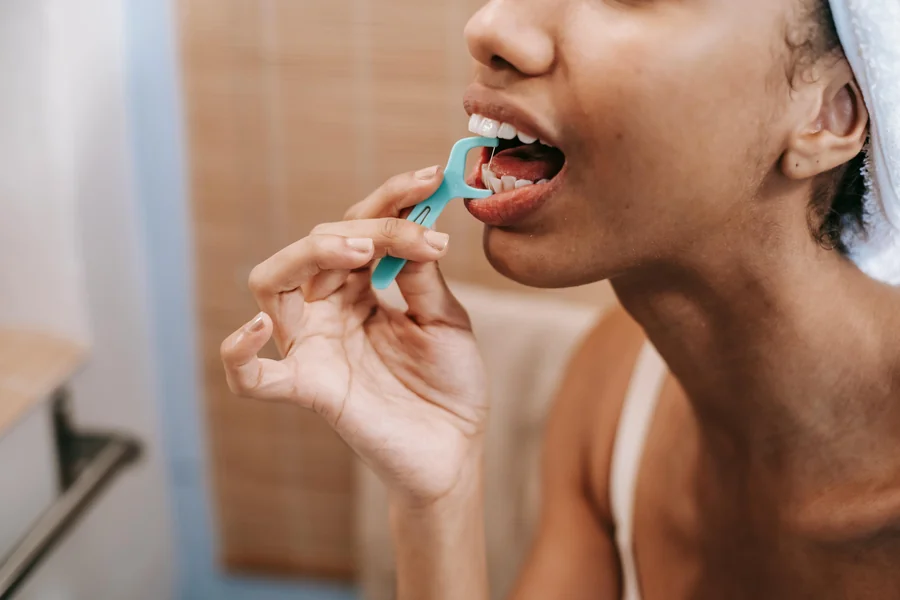
Most people do not think much about their oral health until something starts bothering them. A little tooth pain, bleeding gums, or bad breath is usually what pushes people to pay attention. But the truth is that many daily habits slowly affect your teeth and gums long before serious symptoms appear. The little things you do every day can quietly shape your oral health without you even noticing it.
Good oral health is not only about brushing your teeth twice a day. Your eating habits, sleep routine, stress levels, and even how much water you drink all play a role. Some habits help protect your smile, while others slowly lead to plaque buildup, gum irritation, enamel damage, and cavities over time.
The good news is that small lifestyle changes can make a huge difference. Once you understand which habits are helping or hurting your mouth, it becomes easier to take better care of your teeth and gums every day.
Skipping Small Oral Health Warning Signs
Many people ignore early signs of oral health problems because they seem minor at first. Slight gum swelling, mild tooth sensitivity, or occasional discomfort may not feel serious enough to pay attention to. Since these symptoms are not always painful in the beginning, people often assume they will go away on their own. However, small changes in the mouth can sometimes be early signs of irritation, infection, or developing gum problems.
One common oral health concern people notice is white bumps on the gums. These bumps can appear suddenly or develop slowly over time, depending on the cause. In some cases, they may be harmless and temporary, while in others, they may point to an underlying dental issue that needs attention. Because this is a fairly common symptom, many people wonder what causes white bumps on gums and whether they are something serious. These bumps may sometimes be linked to irritation, poor oral hygiene, inflammation, or minor infections affecting the gum tissue.
Paying attention to these early warning signs can help prevent more serious dental problems later.
Brushing Too Hard Can Do More Harm Than Good
A lot of people believe that brushing harder means cleaning better. In reality, brushing too aggressively can actually damage your teeth and gums over time. Using too much pressure may wear down enamel, irritate the gums, and even cause gum recession.
Overbrushing is more common than many people realize. Signs include sensitive teeth, sore gums, or toothbrush bristles that flatten quickly. Even though your teeth may feel cleaner right after brushing hard, the long-term effects can be harmful.
Using a soft-bristled toothbrush and gentle circular motions is usually the best approach. Brushing carefully for two minutes is far more effective than scrubbing aggressively for a short time.
Not Drinking Enough Water
Water plays a bigger role in oral health than many people realize. Your saliva helps protect your teeth and gums by washing away bacteria and neutralizing acids. When you are dehydrated, saliva production decreases, which allows bacteria to grow more easily.
Dry mouth can lead to bad breath, cavities, and gum irritation. Many people experience dry mouth without understanding that dehydration may be the cause. Certain medications, caffeine, and alcohol can make the problem even worse. More detailed insights can be found on blabtime.net
Drinking enough water throughout the day helps keep your mouth clean and hydrated. It is one of the easiest and most effective ways to support healthy teeth and gums naturally.
Stress and Poor Sleep Affect Your Mouth Too
Stress affects much more than your mood. It can also impact your oral health in several ways. Many people grind their teeth or clench their jaw during stressful periods, often without realizing it. Over time, this can lead to jaw pain, headaches, tooth wear, and gum problems.
Poor sleep can also weaken your immune system, making it harder for your body to fight inflammation and infection. Some people develop habits like nail biting, cheek chewing, or lip biting when they feel anxious or stressed.
Managing stress through exercise, relaxation, hobbies, or better sleep habits may help protect your oral health as well. Taking care of your mental well-being often benefits your physical health too.
Using Teeth as Tools
Using your teeth to open packages, bite pens, or tear plastic may seem convenient, but it can slowly damage your teeth. These habits put unnecessary pressure on your enamel and increase the risk of chipped or cracked teeth.
Many people do these things without thinking about the long-term effects. Even small cracks can weaken teeth over time and lead to more serious dental problems later.
It is always safer to use scissors, bottle openers, or proper tools instead of your teeth. Protecting your teeth from avoidable damage can save you pain, time, and expensive dental treatments in the future.
Smoking and Vaping Still Harm Oral Health
Smoking has long been linked to serious oral health problems, but many people underestimate the effects of vaping as well. Tobacco products can stain teeth, irritate gums, reduce blood flow, and increase the risk of gum disease.
Vaping may seem less harmful to some people, but it can still contribute to dry mouth and inflammation. Both smoking and vaping can make it harder for your gums to heal and may increase the risk of infections.
Quitting tobacco products can improve oral health faster than many people expect. Healthier gums, fresher breath, and reduced staining are just some of the benefits people often notice after quitting.
Ignoring Regular Dental Checkups
A lot of people wait until they feel pain before visiting the dentist. Unfortunately, many oral health problems develop quietly without obvious symptoms in the beginning. Cavities, gum disease, and infections may become more serious before you even notice them.
Regular dental checkups help catch problems early when they are easier and less expensive to treat. Professional cleanings also remove tartar buildup that cannot be removed by brushing alone.
Dentists can often spot warning signs before they become painful or severe. Preventive care plays a major role in maintaining long-term oral health.
Your oral health is connected to your overall well-being in many ways. The habits you practice every day quietly shape the health of your teeth and gums, whether you realize it or not. Paying attention to small warning signs and making better daily choices can help prevent bigger problems later. A healthy smile often comes from simple routines that become part of everyday life.