
What Should You Consider Before Choosing a Wheel Loader?
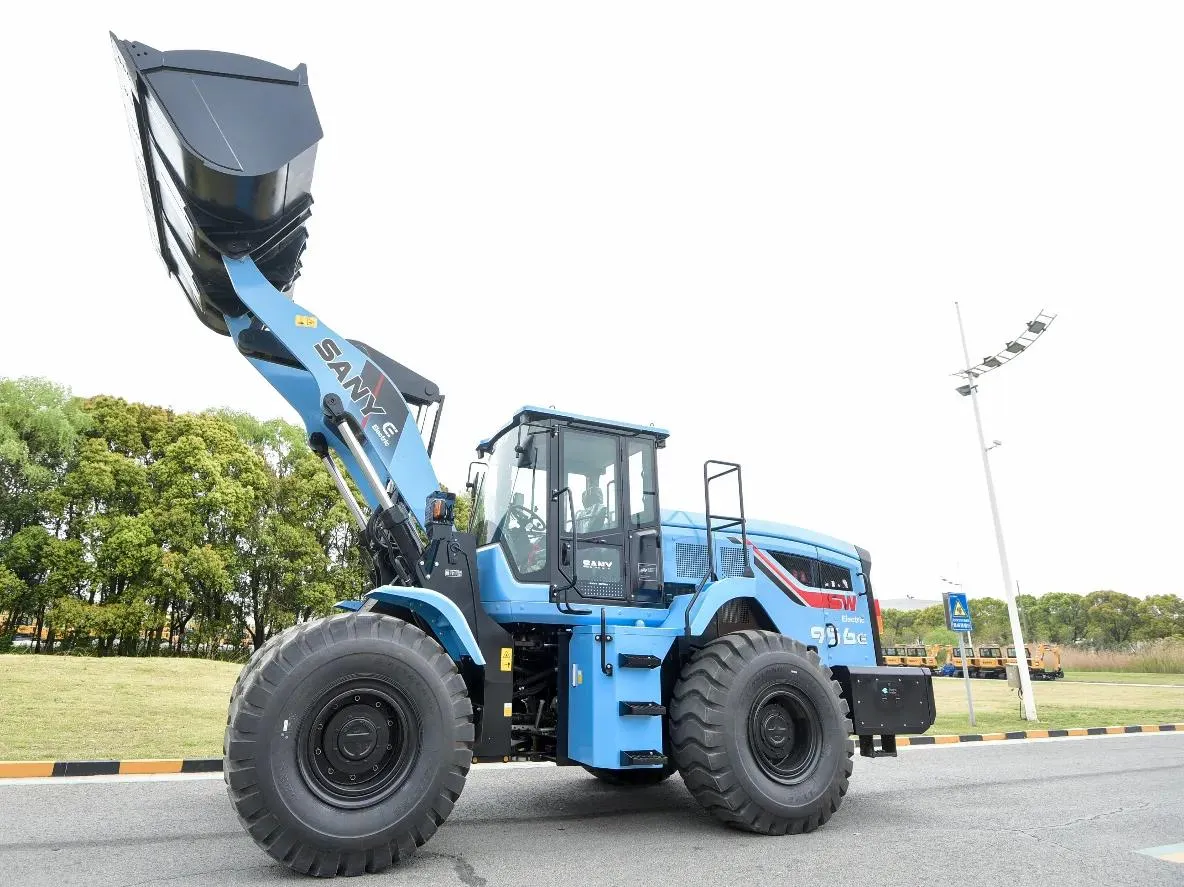
Choosing a wheel loader is a big investment that affects productivity, operating costs, and safety on every job. The right machine can move more material per hour, reduce fuel use, and extend component life. The wrong one can sit idle, break down often, or struggle with your material and site conditions. Before you sign a purchase order or rental contract, take time to match the machine to your real work needs. Look at the size of your job site, the type and density of material, loading distance, underfoot conditions, and how many hours per day the loader will run. Then, compare performance, fuel efficiency, attachments, and dealer support so your wheel loader delivers long-term value, not short-term headaches.
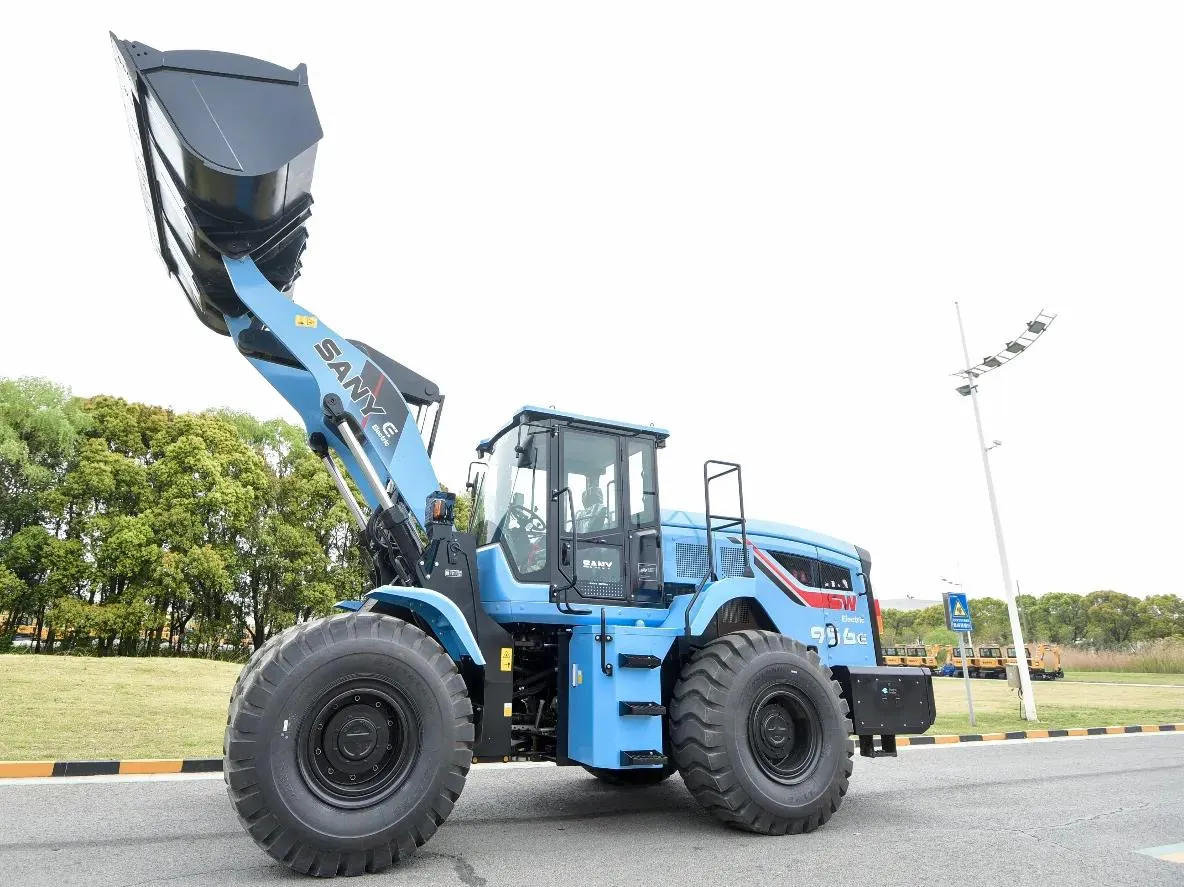
Define Your Job Requirements Before Buying a Wheel Loader
Understand Your Application and Material Type
Start with a clear picture of how and where the wheel loader will work. List your main tasks: stockpiling, truck loading, hopper feeding, aggregate handling, waste transfer, snow removal, or agriculture. Each application pushes the machine in a different way. Then define the material type and density: sand, gravel, crushed stone, soil, coal, wood chips, scrap, or waste. Heavier, abrasive material demands a stronger loader, reinforced buckets, and better tires. Check site conditions as well: tight spaces, uneven ground, steep ramps, and indoor work all influence the required maneuverability and visibility. When you understand your actual application, you avoid over-specifying or under-specifying the wheel loader.
Determine the Right Capacity and Loader Size
Once you know the application, size the loader around your production goals. Think in terms of tons per hour and truck turn times. Match the bucket capacity to the truck or hopper size so you can load in an efficient number of passes, often three to five. Larger wheel loaders move more material but need more space, stronger ground conditions, and higher fuel budgets. Smaller units fit tight yards, reduce purchase price, and can cut operating costs, but they may struggle with heavy material or long cycles. Consider operating weight, rated load, wheelbase, and overall dimensions. The best loader is the smallest model that reliably meets your production targets.
Evaluate Performance and Productivity Factors
Engine Power, Hydraulic Performance, and Fuel Efficiency
Engine power and hydraulic performance play a direct role in how fast and smoothly the loader works. Check gross horsepower, torque curve, and how the engine responds under load. Strong low-end torque helps the loader climb ramps and push into piles. Hydraulics control boom and bucket speed, breakout force, and simultaneous lift and tilt functions. Look for responsive, load-sensing hydraulics that keep cycle times short. Fuel efficiency matters as much as power. Compare fuel consumption per hour and per ton moved, not just tank size. Features like automatic engine idle, eco modes, and efficient drivetrains can greatly reduce fuel costs over thousands of operating hours.
Lift Capacity, Bucket Size, and Cycle Times
Lift capacity and bucket size must match both your material and your production targets. Check rated operating load, full-turn tipping load, and breakout force against your heaviest expected material. Choose a bucket size based on material density, not just volume, so you do not overload axles or compromise stability. Faster cycle times mean more tons per hour: study raise, lower, dump, and rollback speeds, plus travel speed between face and dump point. Look for transmission modes and automation that help operators keep a consistent, efficient rhythm. Good visibility, intuitive controls, and smooth hydraulics also support shorter, safer cycles and higher daily production.
Consider Attachments and Machine Versatility
Common Attachments for Different Industries
Attachments turn a wheel loader into a multi-purpose tool that serves many industries. Construction and quarry sites often use general-purpose buckets, rock buckets, and high-dump buckets for loading trucks and hoppers. Waste and recycling operations rely on grapple buckets, forks, and light-material buckets for bulky, low-density loads. Agriculture may need silage defacers, bale spears, manure buckets, and pallet forks. Snow and municipal work often use snow plows, pushers, and high-capacity buckets. Lumber yards use log forks and grapples. List all planned tasks over the machine’s life and choose a loader model with the hydraulic circuits, coupler options, and stability to handle your most demanding attachments safely.
Benefits of Quick Couplers and Multi-Purpose Use
Quick couplers let operators switch attachments in minutes, often without leaving the cab. This reduces downtime and helps one wheel loader tackle many jobs in a single shift: loading, sorting, lifting, pushing, and cleaning. With a coupler, you can justify a slightly larger or higher-spec machine because it supports more revenue-generating tasks across departments or sites. It also simplifies fleet management, since multiple loaders can share the same attachment inventory. Look for couplers designed by the loader manufacturer or approved for that model to maintain rated capacities and safety. A versatile loader with the right coupler system can replace several single-purpose machines.
Conclusion
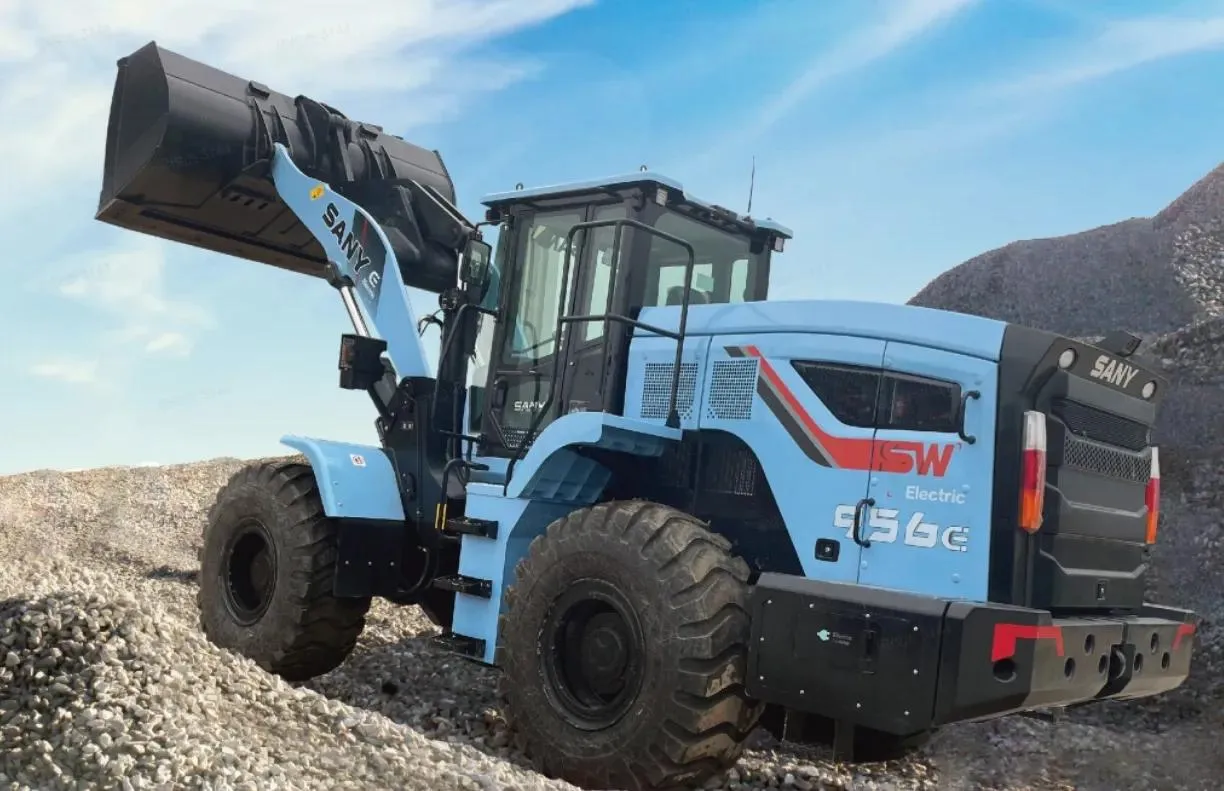
A successful wheel loader purchase starts with the work, not the machine brochure. Clarify your application, material type, and production targets, then select a loader size and capacity that fit your site and budget. Evaluate engine power, hydraulics, fuel efficiency, lift performance, and cycle times to understand how the loader will perform in real conditions, not just on paper. Plan your attachment needs and consider quick couplers to maximize versatility and uptime. Finally, factor in dealer support, parts availability, financing options, and total cost of ownership. When you balance performance, flexibility, and long-term costs, you choose a wheel loader that supports safe, efficient, and profitable operations for years.