
How Smartwatches Are Revolutionizing Personal Health Tracking
Smartwatches now sit at the center of personal health tracking for many people. These compact devices do much more than show time or notifications. They constantly collect data about the body and daily habits, then turn it into clear, useful insights. That means users can see how their heart, sleep, and activity change throughout the day, instead of relying on a quick check at a clinic. Health apps and smartwatch dashboards highlight patterns, trends, and warning signs. People can spot problems earlier, adjust their lifestyle, and share records with professionals when needed. As features improve and stay easy to use, smartwatches help users take control of their health in a direct, practical way, with real benefits in daily life.
Why Smartwatches Have Changed Personal Health Monitoring
From Basic Fitness Trackers to Advanced Health Devices
Early wrist devices only counted steps and logged simple workouts. They gave a rough idea of daily movement, but not much more. Modern smartwatches now act like compact health companions on the wrist. They track heart rate around the clock, estimate calories, and monitor sleep stages. Many models also record blood oxygen levels, stress trends, and workout performance. Some even flag abnormal heart rhythms or unusually low oxygen levels. Users can check health dashboards at a glance instead of juggling several separate devices. This shift from basic tracking to multi-sensor monitoring turns the smartwatch into a practical tool for everyday health awareness and long‑term wellbeing planning.
The Growing Demand for Real-Time Health Insights
More people want instant feedback about how their body responds to daily choices. Smartwatches meet this demand by providing real-time statistics during workouts, workdays, and rest. Users can see their heart rate rise during a run, track recovery after exercise, or watch stress levels change during busy hours. Many devices send alerts when metrics leave a normal range, so users can pause and react quickly. This constant stream of live data helps people make small adjustments on the spot, such as slowing down, hydrating, or relaxing. Over time, real-time insights support better habits, because users see the immediate impact of sleep, diet, and activity on their health numbers.
Key Health Features That Make Smartwatches Valuable
Heart Rate, Blood Oxygen, and Stress Tracking
Modern smartwatches use optical sensors to monitor heart rate all day, not just during workouts. Users can view resting heart rate, active heart rate, and recovery trends, which can reflect fitness level and cardiovascular load. Many models also measure blood oxygen saturation, giving a hint about breathing efficiency during sleep, daily life, and exercise. Some devices provide alerts when oxygen levels fall below a set threshold. Stress tracking usually relies on heart rate variability and sometimes skin or movement data. The watch then shows a stress score and prompts the user to relax when levels climb. Guided breathing exercises often appear right on the screen. Together, heart rate, SpO₂, and stress data give a fuller picture of how the body responds to effort, rest, and mental pressure.
Sleep Monitoring, Activity Tracking, and Fitness Metrics
Sleep tracking helps users understand how long and how well they rest each night. Smartwatches usually estimate light, deep, and REM sleep, plus awake periods. Many provide a sleep score and tips to improve sleep habits. Activity tracking goes beyond step counting to include active minutes, calories burned, and reminders to move. Users can see whether they meet daily goals and how their activity level changes across weeks and months. For fitness, smartwatches record specific workouts such as running, cycling, or strength training. They map routes with GPS, track pace, distance, and heart rate zones, and estimate VO₂ max or training load. These metrics help users train smarter, avoid overtraining, and measure real progress, instead of relying on guesswork.
HONOR Watch 6: Enhancing Everyday Health Tracking
Advanced Health Monitoring Features
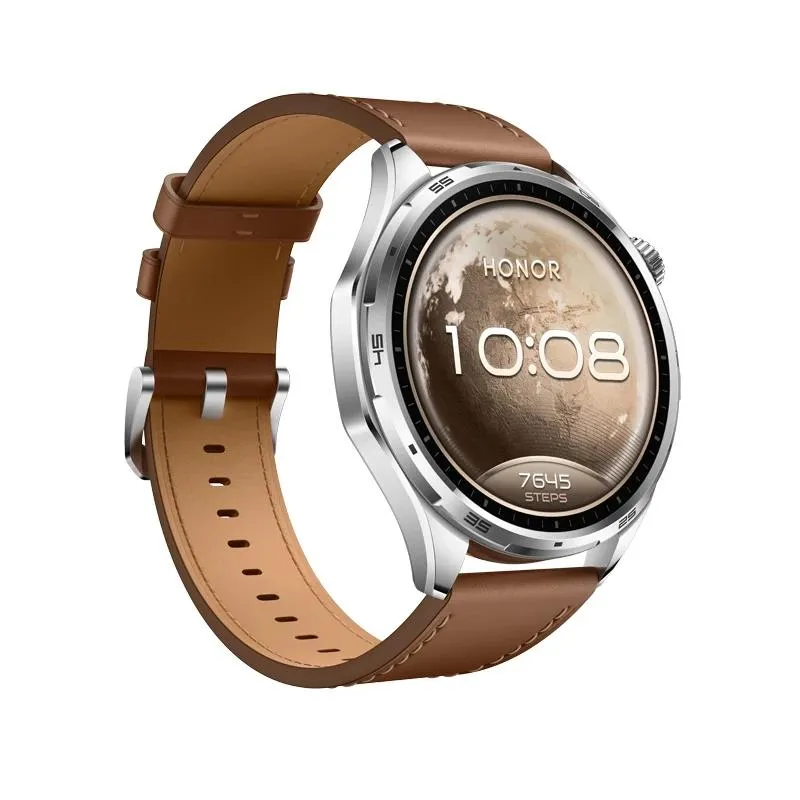
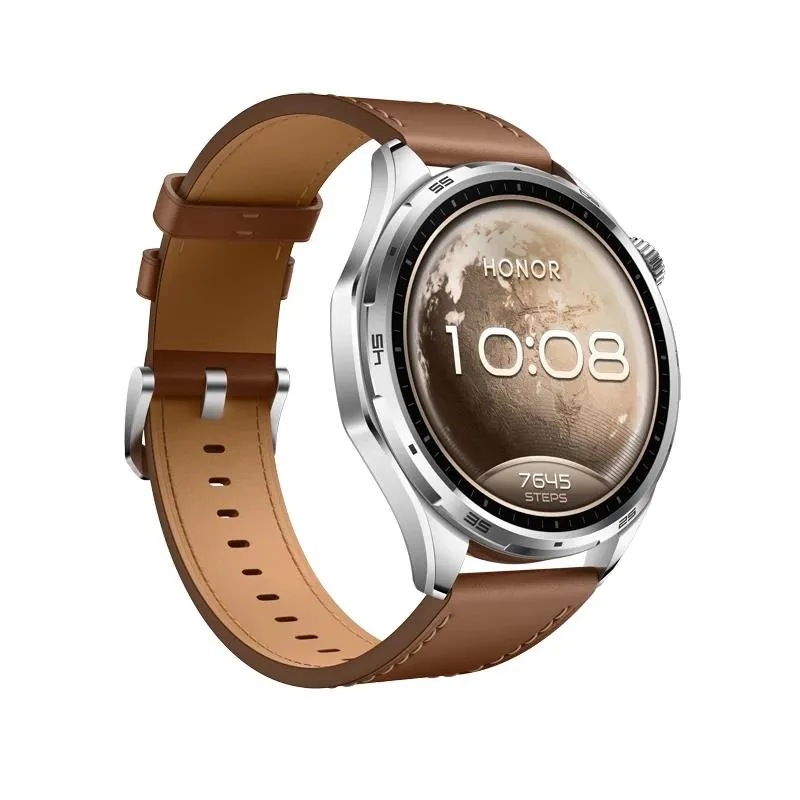
The HONOR Watch 6 builds on core smartwatch health tools with a strong set of monitoring features. Continuous heart rate tracking lets users see changes throughout the day, especially during exercise and rest. Sleep monitoring offers detailed breakdowns of night patterns and provides practical suggestions for better rest quality. Activity tracking supports a wide range of workouts, from casual walks to structured training plans, and records key metrics like distance, pace, and calories. The watch also supports blood oxygen monitoring, so users can keep an eye on their SpO₂ levels during daily life and workouts. HONOR’s health app then gathers this data into clear charts and trends, making it easier to understand long-term patterns and adjust habits. Considering its comprehensive health and fitness features, the honor watch 6 price offers strong value for users looking for a capable smartwatch without paying a premium.
Long Battery Life and Smart User Experience
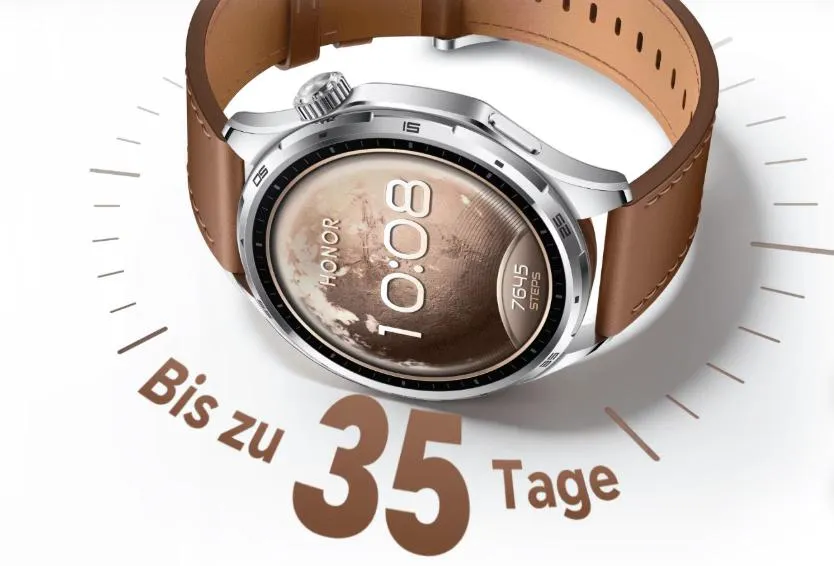
A strong health tracker must stay on the wrist, not on the charger. The HONOR Watch 6 focuses on long battery life, so users can track health and fitness across several days on a single charge, even with continuous monitoring enabled. This reduces gaps in data and makes round‑the‑clock tracking more realistic. The large, bright display keeps health stats easy to read, indoors and outdoors. Menus and workout modes stay simple to navigate, so users can start tracking with a couple of taps. Smart notifications, music control, and other daily tools add convenience without cluttering the interface. By combining endurance with a clean, responsive experience, the HONOR Watch 6 supports health tracking that fits smoothly into daily routines.
Conclusion
Smartwatches have moved far beyond step counters to become powerful personal health companions. They track heart rate, blood oxygen, stress, sleep, and activity in real time, turning everyday moments into useful data. Users gain a clearer view of how choices affect their body and can react faster to warning signs. Devices such as the HONOR Watch 6 show how advanced features and long battery life make continuous monitoring more practical. With an easy interface and detailed metrics, people can set realistic goals, monitor progress, and share key information with professionals when needed. As technology continues to improve, smartwatches will likely play an even bigger role in daily health management and long‑term wellbeing planning.