
How To Choose Energy-Efficient Replacement Windows
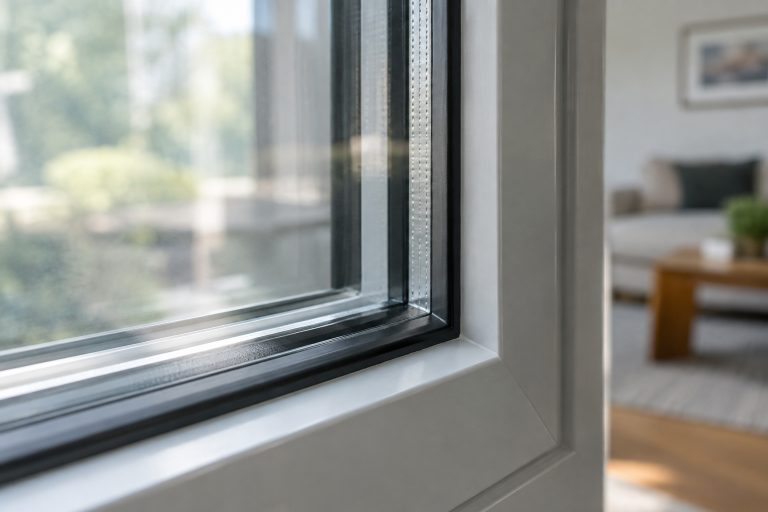
Choosing new windows is about more than updating your home's appearance. The right replacement windows can help address drafts, difficult operation, unwanted outdoor noise, and rooms that never seem comfortable. The best choice depends on your climate, the room's sunlight exposure, your preferred style, and the condition of the existing opening.
A strong buying decision compares the complete window system, not just a brand name or a single advertised feature. Glass, frame construction, weather seals, energy ratings, operation, and installation methods all affect how a window performs after it is in the wall.
1. Signs It May Be Time To Replace Your Windows
Age alone does not determine whether a window needs replacement. Its condition, ability to open and lock, and effect on comfort are more useful indicators. A broken latch or worn weatherstripping may be repairable, while failed insulated glass, decayed frames, or recurring leaks can point to a larger problem.
Common signs include:
- Drafts near the sash or frame.
- Rooms that are unusually hot in summer or cold in winter.
- Fogging or condensation trapped between glass panes.
- Windows that stick, rattle, will not stay open, or will not lock.
- Rot, warping, cracks, peeling finishes, or visible water damage.
- Noticeably increased outdoor noise inside the home.
2. Window Energy Ratings Made Simple
Performance labels make it possible to compare products beyond appearance. Window performance ratings commonly include U-factor, Solar Heat Gain Coefficient, visible transmittance, air leakage, and condensation resistance. Reading them together gives a clearer picture of comfort and efficiency.
- U-factor: Measures how readily heat passes through a window. Lower values indicate better insulating performance.
- Solar Heat Gain Coefficient: Measures how much solar heat enters through the window. Lower values reduce solar heat gain.
- Visible transmittance: Indicates how much daylight passes through the glass. Higher values generally mean more natural light.
- Air leakage: Measures air passing through the window assembly. Lower values are preferable.
- Condensation resistance: Indicates the product's ability to resist interior moisture buildup. Higher values indicate greater resistance.
Do not select a window based only on the lowest U-factor. A sunny west-facing room may also benefit from a lower Solar Heat Gain Coefficient, while a shaded room may place more value on daylight and insulation.
3. Choosing The Right Glass Package
Glass packages should reflect the room and climate. Double-pane glass is a common option because the space between panes improves insulation compared with single-pane glass. Triple-pane products add another pane and insulating space, which can be useful when maximizing insulation or reducing noise is a priority.
Low-emissivity, or low-E, coatings limit heat transfer while allowing daylight through the glass. Argon and krypton gas fills can improve thermal performance when the insulated glass unit remains properly sealed. Laminated glass may be worth considering near busy roads or in locations where added impact resistance is important.
4. Comparing Window Frame Materials
Frame material influences maintenance needs, appearance, cost, and insulation. Vinyl frames are widely chosen for low maintenance and solid insulating potential. Fiberglass offers strength and dimensional stability, often at a higher price point. Wood provides a traditional look but requires regular protection from moisture. Composite frames combine materials to balance durability and appearance. Aluminum is strong and allows slimmer profiles, but its thermal performance depends heavily on design features such as thermal breaks.
Material is only one factor. Compare the rated performance of the complete product, including the glass package, seals, hardware, and frame construction.
5. Matching Window Styles To Each Room
Window operation affects ventilation, cleaning, furniture placement, and everyday use. Double-hung windows offer a familiar appearance and can provide ventilation from the top or bottom sash. Casement windows open outward and can provide broad airflow. Sliding windows move horizontally and can be practical near patios or walkways. Picture windows maximize views and light but do not open. Bay and bow windows add dimension and daylight, although they require careful structural planning.
Match the style to the room. A casement window can be practical over a kitchen counter, while a picture window may suit a living room view. Consider safe access for cleaning, emergency egress requirements where applicable, and whether an outward-opening sash could interfere with a path or deck.
6. Why Installation Quality Matters
Even a highly rated window can perform poorly if it is measured, flashed, or sealed incorrectly. The installer should inspect the opening for moisture damage, measure at multiple points, correct rot or structural concerns, set the window level and square, and use appropriate flashing, insulation, and sealants.
Before approving a proposal, confirm whether it includes removal and disposal, interior trim, exterior sealing, repairs to surrounding materials, cleanup, and a final check of operation, locks, drainage, and weather seals.
7. Planning A Realistic Window Replacement Budget
Costs vary substantially by window size, quantity, style, frame material, glass package, custom finishes, access, and installation type. Full-frame replacement can involve more labor than an insert installation because it may require removing the existing frame and repairing adjacent trim or siding. Permits, disposal, hidden damage, and warranty coverage can also affect the final proposal.
Compare complete written estimates rather than comparing only the price per window. An itemized quote makes it easier to see whether two contractors are proposing the same product scope and installation work.
8. Questions To Ask Before Hiring An Installer
- Who will measure the openings and place the product order?
- Will this be an insert or full-frame installation?
- How will moisture damage or rot discovered during the project be handled?
- What flashing, insulation, and sealants will be used?
- Does the quote include trim, cleanup, disposal, and required permits?
- What product and labor warranties are included?
- Who handles a warranty claim if a problem develops?
- What is the anticipated timeline after the windows arrive?
9. A Simple Window Buying Checklist
- Identify the comfort, noise, maintenance, ventilation, or appearance issues in each room.
- Review U-factor and Solar Heat Gain Coefficient for your climate and window orientation.
- Compare at least two frame or glass options.
- Select operating styles based on room use and access.
- Request detailed, itemized estimates.
- Confirm installation methods, warranties, and responsibilities for hidden repairs.
- Keep labels, contracts, receipts, and maintenance instructions after installation.
10. Frequently Asked Questions
Are Triple-Pane Windows Always Better?
Not always. Triple-pane windows can improve insulation and may help with sound control, but the additional cost may not be necessary for every room, climate, or budget.
Which Window Material Lasts The Longest?
Longevity depends on product quality, exposure to sun and moisture, maintenance, drainage, and installation. No single frame material is the best fit for every home.
How Can Homeowners Tell If A Window Is Energy Efficient?
Review the full performance label, not just a marketing claim. Check U-factor, Solar Heat Gain Coefficient, air leakage information, glass features, and the intended installation method.
Should Older Homes Keep Their Original Windows?
In some homes, repair, weatherstripping, storm windows, or restoration can be appropriate. Replacement may be more practical when frames are severely damaged, or ongoing performance problems cannot be resolved.
Conclusion
The best replacement window is not automatically the most expensive option or the one with the longest list of features. It is the product that fits the home's climate, room conditions, budget, style, and installation plan. Careful comparisons can improve comfort, reduce maintenance concerns, and help prevent expensive surprises after the project begins.