
Everything You Need to Know About Siding Types
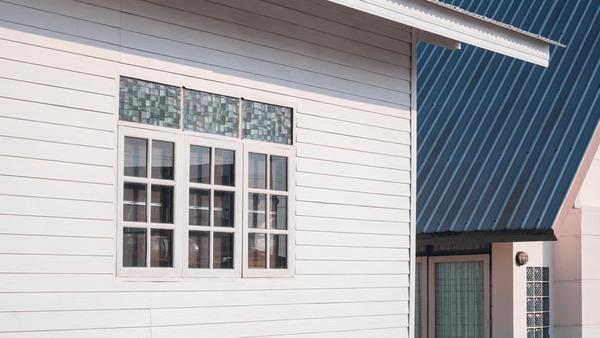
Choosing the right siding is an important part of protecting a home. Different siding materials offer varying levels of durability, maintenance requirements, energy efficiency, and cost, making it important for homeowners to understand their options before making a decision.
Siding serves as a home’s first line of defense against weather, moisture, and everyday wear. In addition to protecting the structure, it also plays a major role in curb appeal and long-term property value.
Many homeowners choose professionals like Royalty Roofing to explore different siding materials to find the best fit for their needs. Understanding the advantages and limitations of each option can help homeowners make informed choices.
While no single siding type is ideal for every property, knowing the key differences can simplify the selection process.
Vinyl Siding
Vinyl siding is one of the most popular siding materials in the United States. Many homeowners choose it because it is affordable, widely available, and relatively easy to maintain.
Unlike some materials, vinyl does not require frequent painting. It is available in a variety of colors and styles, allowing homeowners to customize the appearance of their property.
However, extreme weather conditions may affect its longevity in some regions.
Fiber Cement Siding
Fiber cement siding is known for its durability and resistance to pests, moisture, and fire. It is often chosen by homeowners looking for a long-lasting exterior solution.
This material can mimic the appearance of wood while offering lower maintenance requirements. Although installation costs may be higher than some alternatives, many homeowners consider the durability worth the investment.
Its strength makes it a popular choice in areas exposed to challenging weather conditions.
Wood Siding
Wood siding offers a classic appearance that many homeowners appreciate. Its natural look can complement a wide range of architectural styles.
However, wood typically requires more maintenance than other siding options. Regular painting, staining, and inspections may be necessary to help prevent moisture-related damage.
Homeowners should consider these maintenance requirements before selecting wood siding.
Metal Siding
Metal siding, including aluminum and steel options, is valued for its durability and resistance to fire. It can also provide a modern appearance that appeals to some homeowners.
Many metal siding products are designed to withstand harsh weather conditions. Proper installation and maintenance can help maximize their lifespan.
Because metal is recyclable, some homeowners view it as an environmentally conscious option.
Understanding Building Requirements
Local building requirements may influence siding choices in certain areas. Communities often adopt standards that address weather resistance, fire safety, and energy performance.
For example, many jurisdictions use versions of the International Residential Code (IRC), which contains requirements related to exterior wall coverings and construction standards.
Homeowners should review applicable local requirements before beginning a siding project.
Key Takeaways
- Different siding materials offer unique benefits and limitations.
- Vinyl siding is popular because of its affordability and low maintenance.
- Fiber cement siding is known for durability and weather resistance.
- Wood siding provides a classic appearance but requires more upkeep.
- Metal siding offers durability and fire resistance.
- Local building requirements may affect siding choices.
- Homeowners should consider budget, climate, and maintenance needs.