
Food Safety Essentials for Commercial Bakery Production
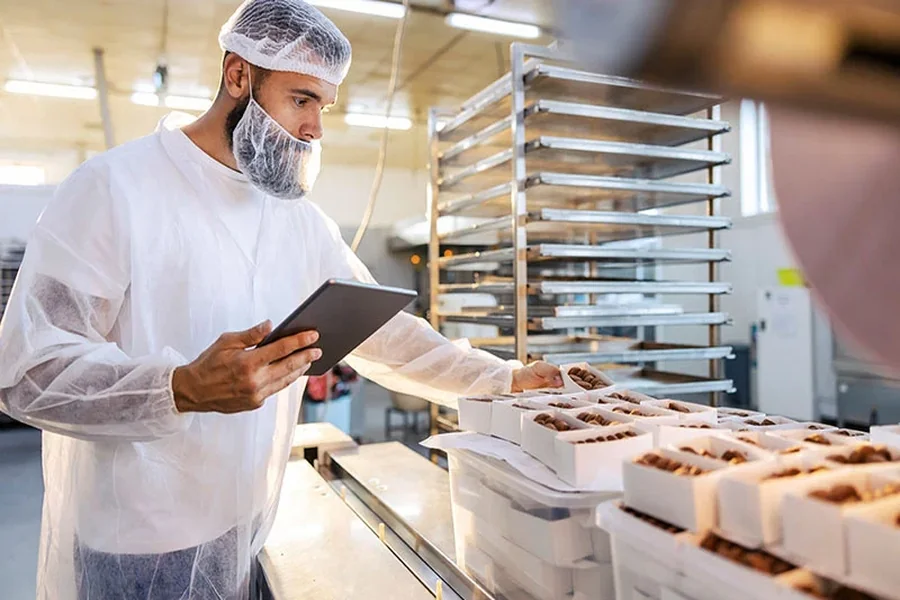
Every year, foodborne illnesses impact millions of families worldwide. According to the World Health Organization (WHO), nearly one in ten people fall ill after consuming contaminated food annually. For commercial bakeries, maintaining a hygienic production environment is not merely a legal obligation; it is a moral responsibility and a strategic necessity to preserve consumer trust. Achieving this level of security requires a comprehensive approach to hygiene and quality assurance directly on the factory floor.
The Foundation of Good Manufacturing Practices (GMP)
Good Manufacturing Practices (GMP) serve as the baseline for safety in any food processing facility. These guidelines mandate that manufacturers maintain clean facilities, establish proper food storage protocols, and enforce strict personal hygiene among staff. In a bakery setting, this begins with facility design. Surfaces, floors, and walls must be constructed from non-porous, corrosion-resistant materials that prevent microbial growth and are easy to sanitize.
A major aspect of GMP is equipment maintenance. When handling bulk dry ingredients like flour, sugar, and grains, the choice of equipment material is critical to prevent contamination. Partnering with a specialized stainless steel auger manufacturer ensures that your ingredient delivery systems are built to sanitary standards, utilizing materials that resist the pitting and corrosion that can harbor dangerous pathogens.
Preventing Hazards Through HACCP
While GMP establishes the baseline, the Hazard Analysis Critical Control Point (HACCP) system provides a structured, preventive framework to manage specific food safety risks. Rather than relying on end-product testing to catch contamination after it has occurred, HACCP focuses on identifying and mitigating hazards throughout the entire production lifecycle.
This system requires bakery teams to analyze every stage of production—from raw material sourcing to packaging—and identify potential biological, chemical, or physical hazards. Once identified, teams establish Critical Control Points (CCPs). In a bakery, a CCP might be the internal temperature of a loaf during baking to ensure the elimination of bacteria, or the use of metal detectors at the packaging stage to prevent physical contamination. Continuous monitoring and meticulous record-keeping ensure these controls remain consistently effective.
Enforcing Sanitation Standard Operating Procedures (SSOPs)
To keep a facility spotless, manufacturers rely on detailed, written guidelines known as Sanitation Standard Operating Procedures (SSOPs). These documents provide step-by-step cleaning instructions, specify approved chemical sanitizers, and outline dilution and application methods.
Modern food processing facilities increasingly leverage automation to execute these procedures consistently. Clean-in-Place (CIP) systems are widely used to sanitize the interior of pipes and tanks without requiring time-consuming disassembly. Regular internal audits, physical inspections, and biological testing are used to verify that these sanitation efforts successfully eliminate pathogens like E. coli and Listeria.
The Human Element: Training and Personal Hygiene
No amount of advanced machinery or automated cleaning systems can compensate for poor personal hygiene on the production line. Employees are the primary point of contact with food products, making their health and hygiene standards vital to preventing cross-contamination.
Facilities must implement strict hygiene policies, including mandatory handwashing, wearing clean uniforms, hairnets, and personal protective equipment (PPE). Furthermore, establishing a robust “safety culture” encourages open communication and accountability. When workers understand the “why” behind food safety protocols, they become the facility’s most effective defense against contamination.
Quality Assurance and Future Trends
The journey of food safety extends beyond the oven to packaging and distribution. Proper packaging is crucial in preventing contamination during transport, ensuring the product remains safe until it reaches the consumer. This includes maintaining temperature control for perishable fillings and ensuring that packaging materials are food-grade and free from contaminants.
As the industry evolves, operational efficiency and sustainability are also becoming core pillars of success. Investing in energy-efficient ovens and minimizing waste through precision portioning not only improves the bottom line but also aligns with the modern consumer’s expectations for responsible manufacturing.
Conclusion
Ensuring food safety from the factory to the fork is a continuous, multi-layered journey. By integrating rigorous GMP baselines, systematic HACCP risk management, automated SSOPs, and continuous employee training, commercial bakeries build a robust defense against contamination. Protecting public health starts on the factory floor, and a commitment to high-quality manufacturing practices is what keeps our global food supply clean, safe, and trustworthy.