
Gripper Socks Care Guide: How to Keep Them Clean, and Effective
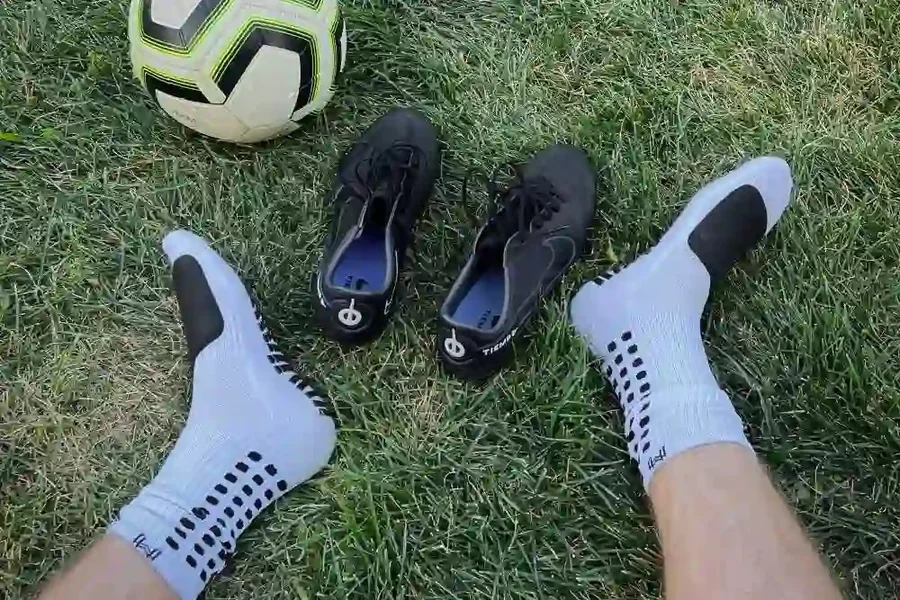
Gripper socks are designed to provide better grip and reduce the risk of slipping on smooth indoor floors. Proper care helps maintain their grip, comfort, and durability. This guide explains everything you need to know about caring for gripper socks so they remain safe and effective for daily use.
Why Proper Care of Gripper Socks Is Important
Gripper socks rely on non-slip soles to provide traction. Over time, improper washing, drying, or storage can weaken the grip and damage the fabric. Good care can help to:
- Maintain non-slip performance
- Improve hygiene
- Extend the life of the socks
- Ensure consistent safety
How to Wash Gripper Socks Correctly
Use Cold or Lukewarm Water
Always wash gripper socks in cold or lukewarm water. Hot water can damage the grip material and reduce elasticity in the fabric.
Choose a Gentle Wash Cycle
Use a gentle or delicate cycle on your washing machine. This reduces friction and prevents the grip from peeling or cracking.
Use Mild Detergent Only
Avoid bleach, stain removers, or strong chemicals. Harsh products can weaken the rubber grip and make the fabric rough. A common question among laundry-conscious shoppers is does tide make laundry sheets — and the answer may surprise you, since several brands now offer gentle, sheet-format options ideal for delicate fabrics like gripper socks.
Turn Socks Inside Out Before Washing
Turning gripper socks inside out helps:
- Clean sweat and dirt from the inner fabric
- Protect the grip from rubbing against other clothes
Should You Hand Wash Gripper Socks?
Hand washing is a good option, especially for medical or premium gripper socks.
- Use mild detergent
- Gently rub the fabric
- Rinse thoroughly
- Avoid twisting or squeezing hard
Hand washing offers extra protection for the grip.
How to Dry Gripper Socks Safely
Air Dry Is the Best Option
Lay the socks flat on a clean surface and let them air dry naturally. This helps:
- Preserve grip quality
- Maintain sock shape
- Prevent shrinking
Avoid Using a Dryer
Do not tumble dry gripper socks, especially on high heat. Heat can:
- Harden the grip
- Cause peeling
- Reduce non-slip effectiveness
How Often Should You Wash Gripper Socks?
Gripper socks should be washed regularly for all types of use to maintain hygiene, as feet are more sensitive and hygiene needs are higher. Regular washing helps remove sweat, dirt, and bacteria that can build up during wear. Keeping gripper socks clean reduces the risk of skin irritation, and infections. Clean socks also help maintain the effectiveness of the non-slip grip, as dust and residue on the sole can reduce traction over time.
How to Store Gripper Socks Properly
Correct storage helps maintain grip performance.
- Store in a cool, dry place
- Keep socks flat or neatly folded
- Avoid stacking heavy items on top
- Do not store in damp or humid areas
Can Fabric Softener Be Used?
Fabric softeners are generally not recommended for gripper socks as fabric softeners can leave a coating on the grip, reduce friction, and make the sole slippery over time.
How to Keep the Grip Effective for Longer
To extend the life of gripper socks, you can follow the below mentioned tips:
- Rotate between multiple pairs
- Avoid walking outdoors with gripper socks
- Do not drag feet on rough surfaces
- Using socks only on indoor floors helps preserve traction.
When Should You Replace Gripper Socks?
Gripper socks should be replaced if:
- The grip feels smooth or worn out
- Socks slide on floors
- Rubber grips start peeling
- Fabric becomes loose or stretched
Special Care for Seniors and Medical Use
For elderly users or people recovering from surgery:
- Wash socks after each use
- Inspect grips regularly
- Keep extra pairs available
- Avoid tight elastic that leaves marks on the skin.
Final Thoughts
Gripper socks are a simple but important safety aid. With proper washing, drying, storage, and regular inspection, they can provide reliable grip and comfort for daily use. Taking a few extra care steps helps ensure they continue to reduce the risk of slips and falls at home.