
HIFU Reviews: Is It Worth It for Skin Tightening and Lifting?
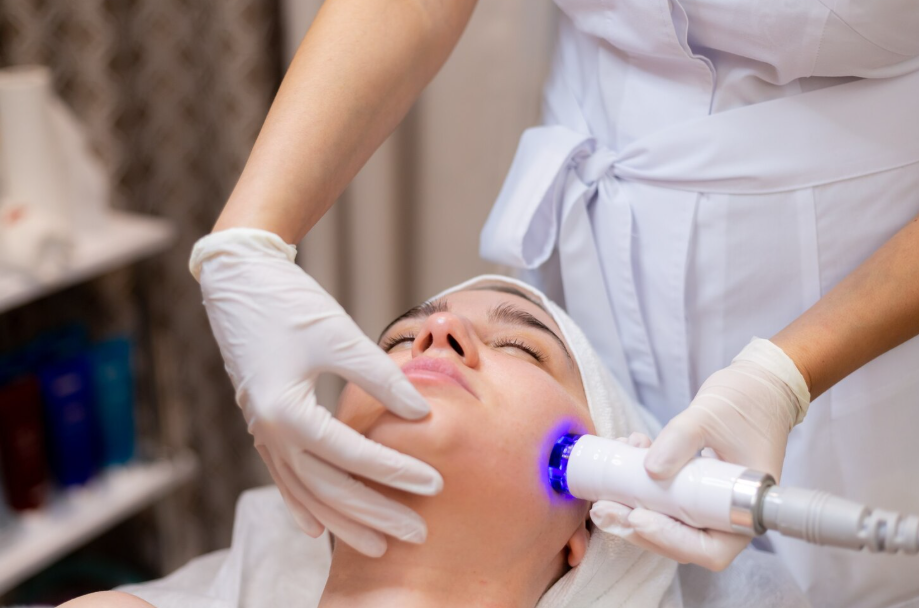
Risks and Considerations
While HIFU is generally safe, it is not entirely risk-free. Some patients may experience temporary redness, swelling, or mild bruising immediately after treatment. These effects typically resolve within a few days. Mild tingling or tenderness may also occur and usually subsides over time. Rarely, more pronounced side effects such as prolonged numbness or minor discomfort can occur, particularly if the treatment is not performed by a skilled practitioner.
HIFU is not suitable for everyone. Individuals with severe skin laxity, active skin infections, or certain medical conditions should seek professional advice before undergoing treatment and what to expect before and after HIFU face lifting treatment. A thorough consultation is essential to determine suitability, discuss expectations, and create a personalised treatment plan. A qualified practitioner can also advise on the number of sessions needed and the areas most suitable for treatment.
Expected Results
Results from HIFU are gradual and can vary depending on age, skin type, lifestyle, and the number of treatments performed. Many patients notice subtle lifting immediately after their session. However, the full effect usually develops over two to three months as collagen continues to rebuild. The skin becomes firmer, more elastic, and smoother, reducing the appearance of fine lines and wrinkles.
For optimal results, some patients may require multiple sessions, particularly if there is moderate to significant skin laxity. Maintenance treatments are also recommended to prolong the effects, as collagen naturally diminishes with age. Unlike invasive procedures, the effects of HIFU are natural and subtle, creating a refreshed appearance without dramatic or artificial changes.
Aftercare Tips
After HIFU, proper aftercare is important to ensure the best results. Patients should avoid prolonged sun exposure and use sunscreen daily to protect their skin. Maintaining hydration and following a healthy diet can also support collagen production and overall skin health.
Gentle skincare routines that include moisturisers and serums can help nourish the skin during the healing process. Patients should also monitor for any unusual reactions, such as persistent swelling or pain, and consult their practitioner if concerns arise. Following post-treatment guidance maximises the longevity and effectiveness of the results.
Who Is a Good Candidate?
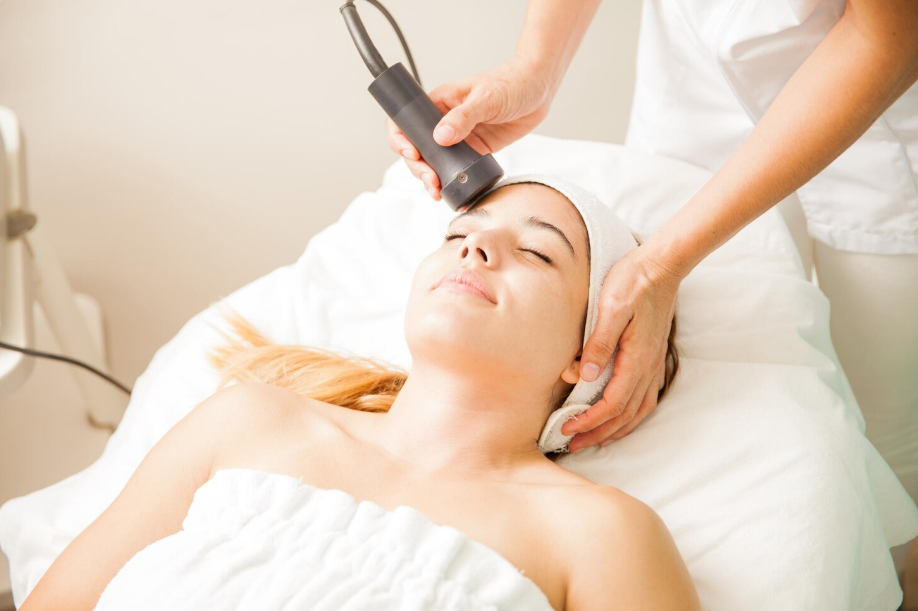
HIFU is suitable for individuals with mild to moderate skin laxity who want a non-surgical lifting and tightening solution. Ideal candidates are those with early signs of ageing, including drooping brows, sagging cheeks, or loose jawlines. Younger patients may use HIFU as a preventative treatment to maintain skin firmness, while older patients may combine it with other aesthetic procedures for enhanced results.
However, patients with significant sagging or deep wrinkles may require alternative treatments for more dramatic improvement. During a consultation, practitioners assess skin condition, medical history, and aesthetic goals to determine whether HIFU is the most suitable option.
Conclusion
HIFU provides a safe, effective, and non-invasive solution for facial rejuvenation, making it an appealing choice for first-time patients and those who prefer to avoid surgery. Its ability to lift, tighten, and improve skin texture gradually through collagen stimulation produces natural, long-lasting results. With minimal downtime, targeted treatment options, and visible improvement over weeks to months, HIFU is an excellent option for individuals seeking a convenient approach to anti-ageing and skin enhancement.
Choosing a qualified practitioner and adhering to aftercare recommendations are essential to achieve the best outcomes. Overall, HIFU is a worthwhile investment for anyone looking to improve skin firmness and facial contours without undergoing invasive procedures.
FAQs
Is HIFU painful?
Most patients experience mild tingling or warmth during the procedure. Typical numbing creams can be used for added comfort.
How long does a session take?
Treatment time varies depending on the areas targeted, typically ranging from 30 minutes to 90 minutes.
How soon will I see results?
Some improvement may be visible immediately, but full results usually appear within two to three months as collagen rebuilds.
How many sessions are needed?
Many patients achieve satisfactory results with a single session, though additional sessions may be recommended based on skin condition and desired outcome.
Are the results permanent?
HIFU results are long-lasting but not permanent. Collagen naturally declines over time, and results may last one to two years depending on age, lifestyle, and skincare habits.
Is HIFU suitable for all skin types?
Yes, HIFU is generally safe for most skin types, but consultation with a professional is necessary to ensure suitability and optimal outcomes.