
How Emergency Medical Equipment Standards Are Evolving in Prehospital Care
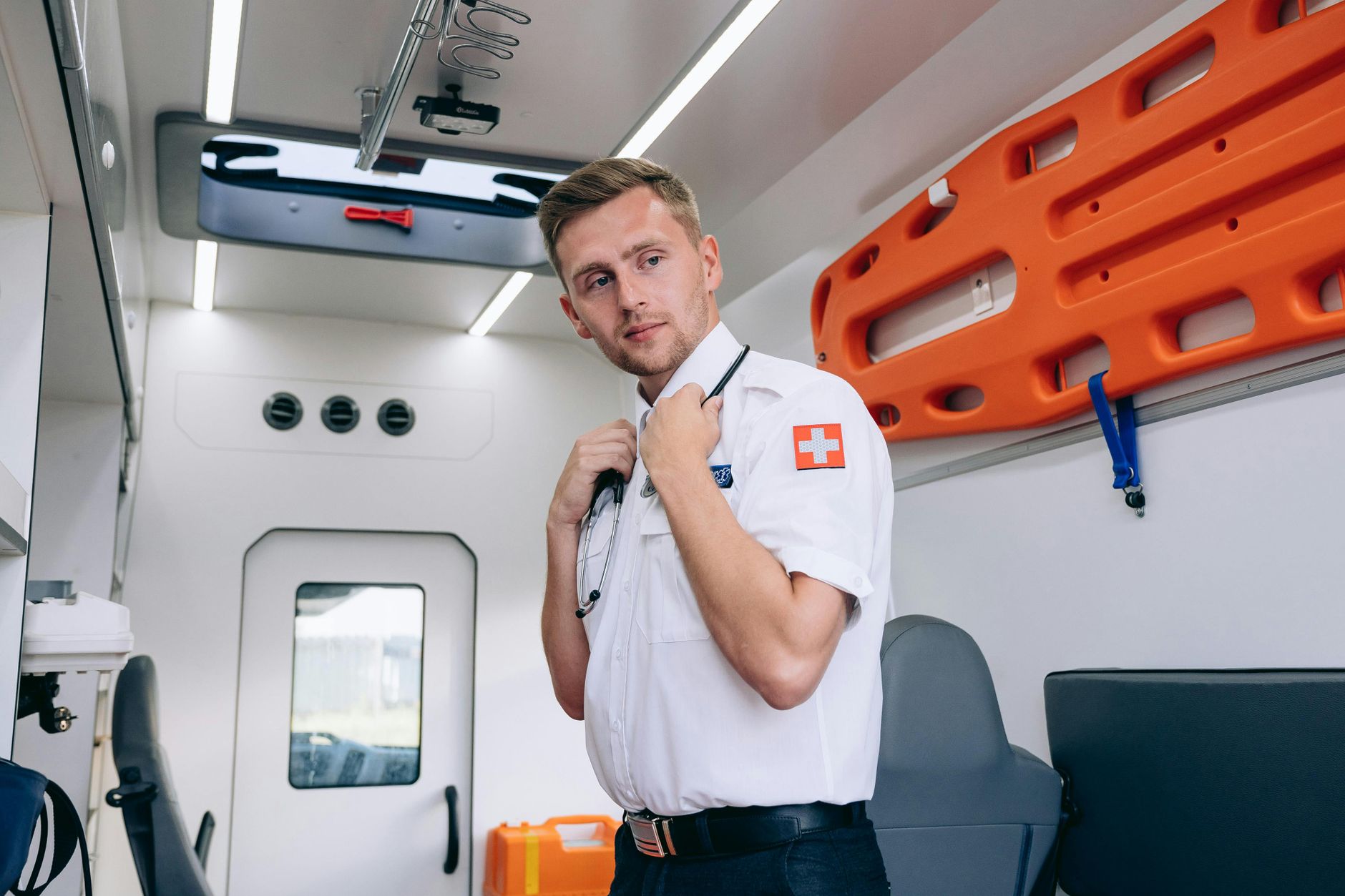
When most people think about emergency medical services, they think about paramedics, ambulances, and hospitals. Rarely do they consider the equipment that makes safe patient transport possible. Among the most critical pieces of equipment in emergency medical services is the stretcher, and the standards around Ambulance Stretchers have evolved considerably as the field has moved toward protecting both patients and EMS providers.
The basic function of an ambulance stretcher is deceptively simple: it moves a patient from where they are found to where they need to go safely and with as little additional trauma as possible. But the demands placed on modern stretchers are anything but simple. They must be height-adjustable to facilitate loading and unloading at different vehicle types. They must lock securely inside the ambulance to prevent movement during transport. They must accommodate patients across a wide range of body weights and sizes. And increasingly, they must reduce the physical strain on EMS workers who load and unload patients dozens of times per shift.
Musculoskeletal injuries among EMS personnel are among the most common occupational injuries in emergency medicine. Loading and unloading stretchers accounts for a significant proportion of those injuries. Power-assisted stretchers, which use motorized hydraulics to raise, lower, and load patients automatically, have become standard equipment in many advanced EMS systems precisely because they dramatically reduce the manual lifting burden on providers.
Modern stretcher design also incorporates patient safety features that were not present in earlier generations of equipment. These include five-point harness systems, head and shoulder supports, integrated IV pole mounts, oxygen tank holders, and locking mechanisms that secure the stretcher frame during transport. Each of these features reflects lessons learned from patient outcomes data and incident reporting.
Beyond standard emergency responses, these evolving design parameters are equally vital during specialized medical journeys. For instance, managing long-distance patient transfers requires equipment that can maintain stability and support continuously over several hours on the road. By incorporating advanced ergonomic frameworks and secure locking mechanisms, modern transport infrastructure ensures that patients remain safe and comfortable throughout extended transit times across state lines.
Reliable transport relies heavily on vehicles that match these strict design choices. Logistics providers manage everything from specialized setups to advanced tracking to ensure every trip goes smoothly. To view more details about how these transport options are structured to protect patient comfort and medical safety, reviewing the specific features of modern medical vehicle networks can offer valuable insights.
Bariatric stretchers represent a specialized and increasingly important subcategory. As average patient weights have increased, standard weight-rated equipment has become inadequate for a growing portion of the patient population. Bariatric stretchers are designed with reinforced frames, wider platforms, and higher weight capacities to accommodate these patients safely.
Training in proper stretcher use is inseparable from the equipment itself. Even the best-designed stretcher can cause injury to a patient or provider if used incorrectly. EMS agencies invest in regular training updates to ensure crews are proficient in the specific features and handling requirements of their current equipment inventory.
Maintenance protocols are critical. A mechanical failure during a transport can have serious consequences. Regular inspection schedules, manufacturer-recommended service intervals, and immediate reporting of any mechanical issue are all components of responsible equipment management in an EMS system.
FAQ
Q: What is the weight capacity of a standard ambulance stretcher?
A: Standard stretchers typically support up to 700 pounds, while bariatric models may be rated for 1,000 pounds or more depending on the design.
Q: How do power-assisted stretchers help EMS workers?
A: They use motorized lift and load mechanisms that reduce or eliminate the manual lifting required to raise a patient and load the stretcher into the ambulance, significantly lowering injury risk.
Q: How often should ambulance stretchers be inspected?
A: Most manufacturers recommend inspection before every use, with comprehensive maintenance checks performed monthly or quarterly depending on usage volume.
Q: Are there regulatory standards for ambulance stretcher design?
A: Yes. In the United States, standards such as those from the Society of Automotive Engineers and various state EMS agencies set minimum requirements for stretcher construction, load capacity, and securing systems.
Q: Can stretchers be used outside of ambulances?
A: Yes. Many ambulance stretchers are designed for versatility and can be used across various terrain types, including in stairwell evacuation or outdoor rescue scenarios, with appropriate accessories.