
How Softening Frown Lines Lifts Mood
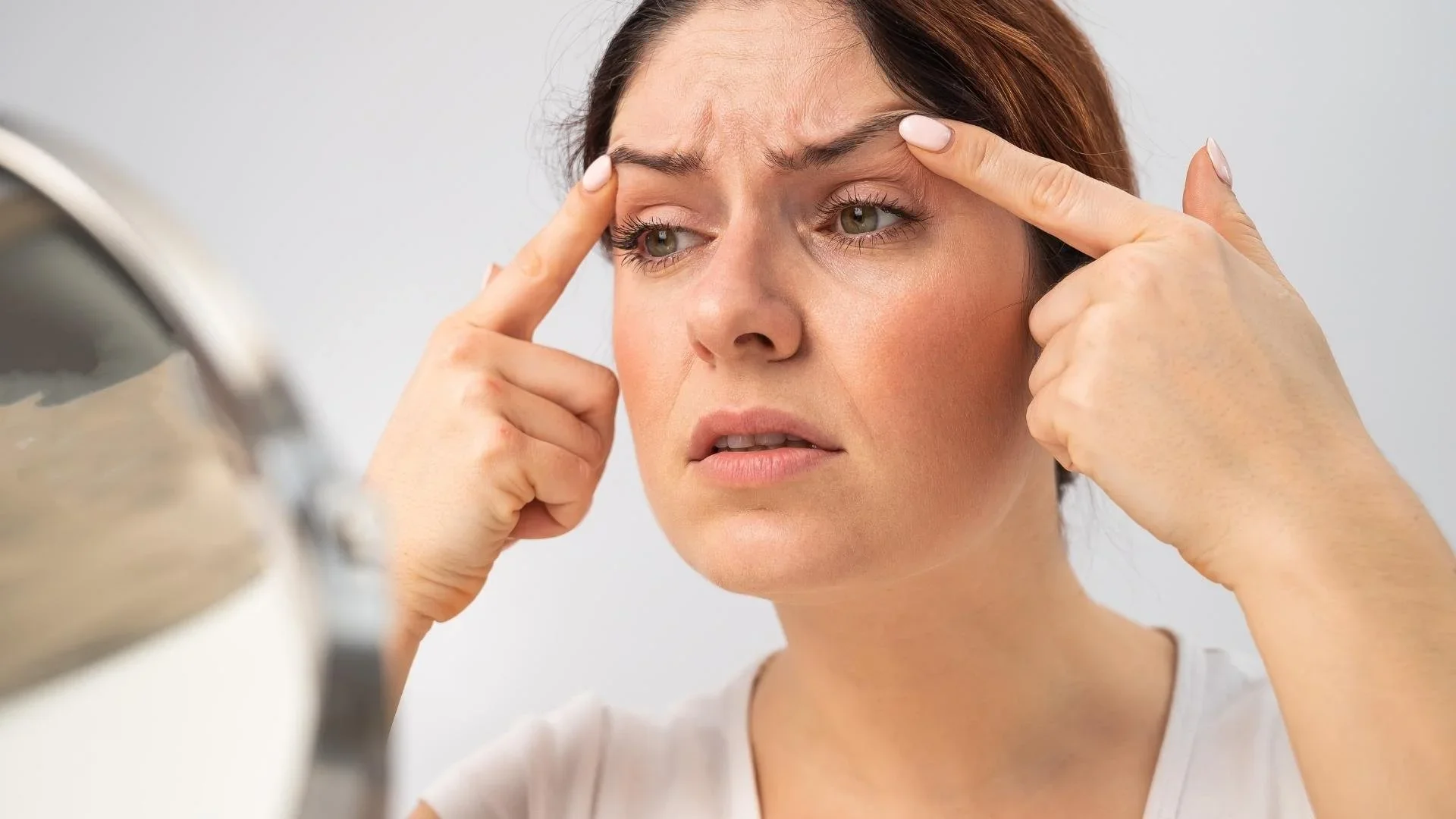
We often think of our facial expressions as simple mirrors reflecting what we feel inside. When we are happy, we smile; when we are stressed, tired, or upset, our brows naturally furrow into deep lines. However, modern psychological and neurological research shows that this communication line between the brain and the face works both ways. The expressions we wear do not just broadcast our emotions to the outside world. They actively send signals back to the brain that shape our internal emotional state.
This reciprocal connection, known scientifically as the facial feedback hypothesis, explains why physical changes to our facial movement can yield surprising psychological benefits. When people choose to smooth out deeply etched glabellar lines, the vertical “11s” between the eyebrows, they often expect a refreshed cosmetic appearance. Yet, many are surprised to experience an unexpected boost in daily emotional well-being. For those exploring local aesthetic or therapeutic options, learning about options for Botox in Hobart can offer valuable context on how relaxing these overactive muscle groups helps interrupt the cycle of perpetual tension. By physically relaxing the muscles that create a scowl, you effectively tell your brain to ease up as well.
Understanding the Facial Feedback Loop
To grasp how softening frown lines can elevate your mood, it helps to look at how facial feedback functions. In the late 19th century, psychologist William James proposed that emotional experiences are directly tied to bodily reactions. Modern science has confirmed this: when you frown, the corrugator supercilii muscles contract, sending neural signals along the trigeminal nerve directly to the emotional processing centers of the brain, including the amygdala.
When your brain receives signals indicating that your brow is furrowed, it interprets that visual and muscular tension as distress, frustration, or sadness. This holds true even if you aren’t feeling particularly negative in that moment; the physical act of frowning nudges your brain toward a matching mood. Softening these lines breaks this neural feedback loop. By preventing the corrugator muscles from continually contracting, you reduce the physical signals of negativity reaching the brain, making it easier to maintain a lighter, more positive outlook.
The Physical Sensation of Emotional Relief
Physical tension and emotional stress are deeply intertwined. Many people carry stress in their upper body, specifically in the shoulders, jaw, and brow. Over time, an overactive brow becomes an unconscious habit. People often find themselves scowling while concentrating at a computer screen, squinting in bright sunlight, or working through daily tasks without even realizing they are doing it.
This constant muscular contraction creates a subtle, ongoing physical strain that can lead to tension headaches and facial fatigue. Relaxing these overactive facial muscles provides immediate, tangible physical relief. When the tight knot between the brows softens, the surrounding facial muscles relax as well. This physical release often feels like a weight being lifted, signaling to your nervous system that it is safe to unwind.
Improving Social Interactions and Connections
Humans are highly attuned to social cues, and facial expressions serve as our primary tool for nonverbal communication. Deep frown lines can inadvertently broadcast emotions you aren’t actually feeling. People with pronounced glabellar lines are frequently asked if they are tired, angry, stressed, or upset, even when they feel perfectly content.
Misinterpreted expressions can create subtle barriers in daily social and professional interactions:
- Social Warmth: A relaxed, open brow makes you appear more approachable and receptive to others.
- Reflected Energy: Emotional contagion means people mirror the expressions they see; when others see a relaxed face, they respond more warmly.
- Reduced Misunderstandings: Eliminating an unintended scowl prevents awkward moments where you have to clarify that you aren’t upset.
When your face accurately reflects a calm, positive internal state, interactions with friends, colleagues, and family members naturally become smoother and more pleasant. The positive responses you receive from others further reinforce your own good mood.
What Clinical Research Reveals
The link between softening frown lines and improved mood is not just anecdotal; it is well-supported by clinical data. Over the past two decades, numerous medical studies have investigated the psychological impact of relaxing the glabellar complex. Researchers discovered that inhibiting the ability to frown significantly reduced symptoms in individuals suffering from depression and persistent low mood.
In randomized controlled trials, patients who received targeted treatments to relax their frown lines showed measurable improvements in mood scores compared to control groups. Brain imaging studies further reveal that when people with relaxed brows try to mimic an angry or sad expression, the emotional circuits in their brains show far less activity than usual. In simple terms, when your face cannot easily express negative emotions, your brain has a harder time fully generating them.
A Lasting Boost to Everyday Confidence
The psychological benefits of softening frown lines extend beyond subconscious feedback loops and brain chemistry. They directly touch personal confidence. Looking in the mirror and seeing a rested, serene reflection rather than a tired or stern one changes how you feel about starting your day.
Self-perception plays a major role in overall mental health. When you feel good about your appearance, your self-esteem gets a natural lift. This renewed confidence encourages you to engage more fully in daily life, take on social opportunities, and approach challenges with a calm, composed mindset.
Softening deep frown lines is far more than a simple cosmetic choice; it is a holistic wellness treatment that harmonizes how you look with how you feel. By quieting the physical tension between your brows, you calm the neural pathways linked to stress, open the door to brighter social connections, and give your mind the freedom to enjoy a more balanced, positive state of being.