
How to Choose a Neurosurgeon: Essential Factors to Consider
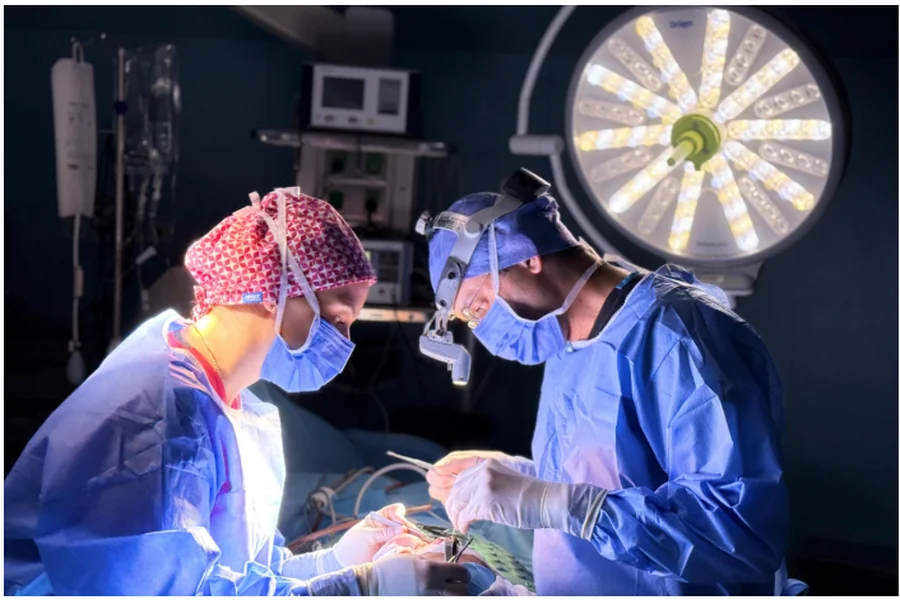
When faced with the need for brain or spine surgery, the statistics are sobering: neurosurgical complications can occur in 2-15% of procedures, with outcomes heavily influenced by surgeon experience and institutional volume. Yet most patients spend more time researching a new car than selecting the neurosurgeon who will operate on their most vital organ. In an era where neurosurgical techniques are advancing rapidly—from minimally invasive procedures to robotic-assisted surgery—the gap between exceptional and adequate care has never been wider.
The challenge isn’t just finding a neurosurgeon; it’s finding the right one for your specific condition and circumstances. With over 4,000 practicing neurosurgeons in the United States alone, each with varying subspecialties, experience levels, and approaches to patient care, the selection process can feel overwhelming when you’re already dealing with a serious medical condition. Choosing an experienced neurosurgeon in Jersey City can help ensure that your care is guided by expertise and a track record of successful outcomes, directly impacting both surgical results and your long-term quality of life.
What makes this decision particularly complex is that neurosurgery spans everything from emergency trauma care to elective procedures for chronic conditions. The neurosurgeon who excels at treating brain tumors may not be your best choice for spinal surgery, and the credentials that matter most vary significantly depending on your specific diagnosis. Here’s how to navigate this critical decision with confidence, using the same evidence-based approach that guides the best neurosurgeons themselves.
What Is a Neurosurgeon and How Do They Differ from Neurologists?
The distinction between neurosurgeons and neurologists often confuses patients, yet understanding this difference is crucial for proper care coordination. Neurosurgeons are medical doctors who specialize in the surgical treatment of disorders affecting the brain, spine, and peripheral nervous system. They complete four years of medical school, followed by a demanding seven-year neurosurgical residency—one of the longest training periods in medicine.
Neurologists, by contrast, are physicians who diagnose and treat nervous system disorders using non-surgical approaches like medications, physical therapy, and other conservative treatments. They complete a four-year neurology residency after medical school. Both specialties require board certification, but their scope of practice differs significantly.
Consider a patient with chronic back pain: a neurologist might prescribe medications, recommend physical therapy, or suggest epidural injections. If these conservative treatments fail and imaging reveals structural problems requiring surgical intervention—such as herniated discs compressing nerve roots—that’s when a neurosurgeon becomes necessary. The neurologist and neurosurgeon often work collaboratively, with the neurologist providing ongoing medical management before and after surgical intervention.
This collaborative relationship explains why many patients are referred to neurosurgeons by neurologists, primary care physicians, or other specialists. However, the referral source doesn’t determine your choice of neurosurgeon. Understanding that neurosurgeons focus specifically on surgical solutions helps frame the expertise you’re seeking and the questions you should ask during your evaluation process.
What Qualifications and Training Should a Neurosurgeon Have?
The path to becoming a neurosurgeon represents one of medicine’s most rigorous training sequences, and understanding these qualifications helps you evaluate potential surgeons effectively. Board certification through the American Board of Neurological Surgery serves as your baseline requirement—it’s non-negotiable. This certification requires completion of an accredited neurosurgical residency, passing comprehensive written and oral examinations, and demonstrating surgical competency.
Beyond basic certification, fellowship training often distinguishes exceptional neurosurgeons from their peers. These additional one-to-two-year programs provide subspecialty expertise in areas like pediatric neurosurgery, spine surgery, cerebrovascular surgery, or neuro-oncology. According to recent data from the American Association of Neurological Surgeons, over 75% of neurosurgeons now complete fellowship training, reflecting the increasing complexity and specialization within the field.
Credential verification shouldn’t be left to assumption. The Federation of State Medical Boards provides online physician lookup tools where you can verify licensing, board certification status, and any disciplinary actions. Hospital medical staff offices can also provide verification of a surgeon’s privileges and current standing. Don’t hesitate to ask directly about training background, fellowship experience, and board certification status—any qualified neurosurgeon will readily share this information.
The quality of training institutions matters significantly. Neurosurgical programs at major academic medical centers typically provide broader exposure to complex cases, cutting-edge techniques, and multidisciplinary approaches. However, excellent neurosurgeons emerge from various training backgrounds. What’s crucial is ensuring the training aligns with your specific condition—a neurosurgeon trained primarily in pediatric cases may not be optimal for adult spine surgery, regardless of their overall qualifications.
Why Experience and Specialized Expertise Matter When Choosing a Neurosurgeon
Surgical volume correlates directly with patient outcomes in neurosurgery, perhaps more than any other medical specialty. Research published in the Journal of Neurosurgery demonstrates that surgeons performing more than 50 procedures annually of a specific type show significantly lower complication rates than those performing fewer cases. This relationship becomes even more pronounced for complex procedures like brain tumor resections or spinal deformity corrections.
Subspecialty focus has become increasingly important as neurosurgical techniques advance. Modern neurosurgeons often concentrate in specific areas: cerebrovascular surgery (aneurysms, arteriovenous malformations), neuro-oncology (brain and spinal tumors), functional neurosurgery (movement disorders, epilepsy), trauma, or spine surgery. Each subspecialty requires different technical skills, equipment familiarity, and clinical experience patterns.
The neurosurgeon’s institutional affiliation also influences outcomes. Hospitals with high neurosurgical volumes typically maintain better support systems, including specialized nursing staff, advanced imaging capabilities, intensive care units experienced with neurosurgical patients, and multidisciplinary teams. According to data from the Leapfrog Group, patients treated at high-volume neurosurgical centers experience 15-20% lower mortality rates for complex procedures.
Years in practice provides important context, but it’s not simply about longevity. A neurosurgeon with 15 years of focused spine surgery experience may be preferable to one with 25 years of general neurosurgical practice for your spinal condition. Ask specific questions: How many cases like yours has the surgeon performed? What are their personal complication rates? How do they stay current with advancing techniques? These conversations reveal both experience depth and commitment to continuous improvement.
How to Evaluate a Neurosurgeon’s Communication Skills and Patient Care Approach
Effective communication in neurosurgery extends far beyond bedside manner—it directly impacts surgical outcomes and patient satisfaction. During your consultation, observe how the neurosurgeon explains your condition, proposed treatment options, and potential risks. They should use clear, understandable language while demonstrating genuine respect for your questions and concerns. Research from the Institute for Healthcare Communication shows that patients who report good communication with their surgeons have 19% fewer post-operative complications.
Key consultation questions help evaluate both expertise and communication style: How many procedures like mine have you performed in the past year? What are your personal complication rates for this procedure? What alternatives to surgery might be considered? How will you manage post-operative pain? What should I expect during recovery? A skilled neurosurgeon will answer these questions directly, provide specific data when available, and explain their reasoning clearly.
Patient testimonials and reviews offer valuable insights, but interpret them carefully. Look for patterns rather than isolated comments. Multiple mentions of poor communication, rushed consultations, or inadequate follow-up care warrant attention. Conversely, consistent praise for taking time with patients, explaining procedures thoroughly, and being available for questions indicates positive communication patterns. Hospital patient satisfaction scores and state medical board records provide additional perspectives on patient care quality.
Multidisciplinary team involvement reflects modern neurosurgical practice standards. Quality neurosurgeons work closely with neurologists, pain management specialists, physical therapists, and other professionals. They should be able to explain how they coordinate care, when they consult with colleagues, and how they integrate non-surgical treatments into overall care plans. This collaborative approach often produces better outcomes than surgeons who work in isolation.
How Geographic Location and Hospital Quality Affect Neurosurgical Care
Regional variations in neurosurgical care quality are more significant than many patients realize. Academic medical centers in major metropolitan areas typically offer access to the latest technologies, clinical trials, and subspecialty expertise. However, excellent neurosurgical care exists in smaller communities, particularly for routine procedures. The key is matching the complexity of your condition with appropriate institutional resources.
Hospital quality ratings provide objective measures of neurosurgical program performance. The Joint Commission, Leapfrog Group, and U.S. News & World Report publish hospital rankings that include neurosurgical outcomes data. Look for hospitals with high ratings in neurosurgery specifically, not just overall hospital ratings. Centers with Magnet nursing designation often provide superior neurosurgical nursing care, which significantly impacts recovery outcomes.
Technology availability varies considerably between institutions. Advanced imaging capabilities, intraoperative monitoring systems, and minimally invasive surgical equipment can influence both surgical precision and recovery times. For complex procedures, access to technologies like intraoperative MRI, stereotactic radiosurgery, or robotic surgical systems may be crucial. Don’t assume all hospitals offer the same technological capabilities.
Insurance considerations affect both surgeon selection and hospital choice, but shouldn’t be your only decision factor. Verify that your potential neurosurgeon and preferred hospital participate in your insurance network. However, for complex or rare conditions, consider the value of seeking care at specialized centers even if it requires some out-of-network costs. Many insurance companies provide exceptions for specialized care when local options are limited.
What Research Shows About Neurosurgical Outcomes and Future Trends in the Field
Outcome research in neurosurgery has evolved dramatically, providing patients with better data for decision-making. Large-scale studies now track not just mortality and major complications, but quality-of-life measures, return-to-work rates, and long-term functional outcomes. The National Neurosurgery Quality and Outcomes Database (N2QOD) collects standardized outcome data from participating centers, enabling evidence-based comparisons of surgical approaches and surgeon performance.
Technology integration continues reshaping neurosurgical practice. Minimally invasive techniques now account for over 60% of spine surgeries at major centers, offering reduced recovery times and lower complication rates for appropriate candidates. Robotic assistance, once limited to a few procedures, is expanding rapidly. However, these technologies require specific training and experience—newer isn’t always better if the surgeon lacks adequate experience with advanced techniques.
Training evolution reflects changing practice patterns and patient expectations. Modern neurosurgical residencies now include mandatory training in quality improvement, patient safety, and communication skills. Many programs require research experience and publication records, ensuring that future neurosurgeons contribute to advancing the field. This emphasis on evidence-based practice and continuous learning benefits patients through more systematic, research-driven surgical approaches.
Personalized medicine is beginning to influence neurosurgical decision-making. Genetic testing for certain brain tumors now guides treatment selection, while biomarker research may soon help predict individual patients’ responses to specific surgical approaches. Forward-thinking neurosurgeons stay current with these developments and can explain how emerging research might impact your treatment options.
The landscape of neurosurgical care continues evolving rapidly, driven by technological advances, outcome research, and changing patient expectations. The neurosurgeons who will provide the best care tomorrow are those who actively engage with these changes today—participating in research, adopting proven innovations thoughtfully, and maintaining a commitment to continuous learning. When you’re evaluating potential surgeons, look for evidence of this forward-thinking approach. Your choice of neurosurgeon isn’t just about addressing your immediate surgical needs; it’s about partnering with a professional who will guide you through the most advanced, evidence-based care available.