
How to Plan the Perfect Escape to the Mountains Any Time of Year
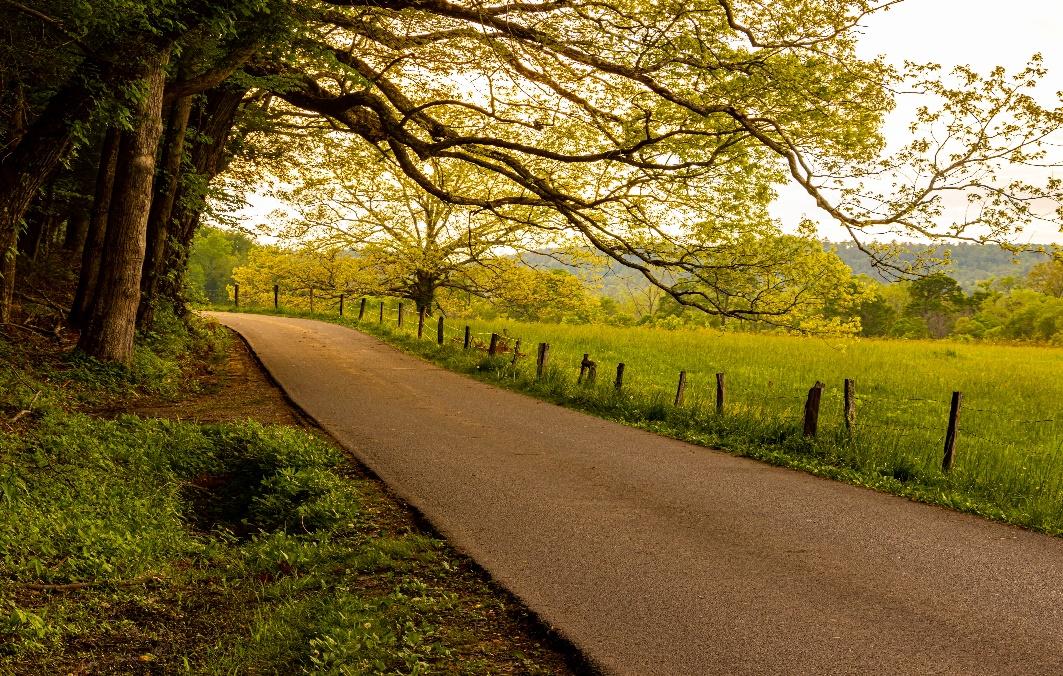
There is something about the Great Smoky Mountains of Tennessee that pulls people back season after season. The ridgelines soften under spring mist, summer warms the valleys into long golden afternoons, fall paints the slopes in copper and red, and winter quiets everything beneath a thin layer of frost. Planning a trip here is less about chasing one perfect window and more about understanding what each season offers. With a little thought, a mountain escape can feel just as rewarding in February as it does in October.
Choosing the Right Base for Your Stay
Where you stay shapes the entire trip. A noisy roadside hotel rarely matches the rhythm of the mountains, and travelers who book without considering elevation, privacy, or proximity to the national park often find themselves spending half their vacation in the car. The smarter move is to settle into lodging that feels like part of the landscape itself, somewhere quiet enough to hear the wind move through the trees at night. Hearthside at the Preserve offers cabins near Cades Cove, giving guests a true mountain stay within easy reach of the loop road. Each cabin sits high enough to catch the long views across Cove Mountain, with private decks and hot tubs that make the lodging feel like a destination on its own. For travelers who want the comfort of a full home without losing the sense of being deep in the Smokies, this kind of stay sets the tone for the rest of the visit.
Matching the Season to the Experience You Want
Each season in the Smokies rewards a different kind of traveler. Spring brings wildflowers and rushing streams, perfect for anyone hoping to see the mountains come back to life after winter. Summer is ideal for families who want long days outdoors and warm evenings on the porch. Fall draws color chasers from across the country, with peak foliage usually arriving in mid to late October. Winter, often overlooked, offers the quietest version of the mountains, with bare trees revealing views that summer hides behind a wall of green. Once you decide what you want most, choosing your dates becomes much simpler.
Building a Flexible Itinerary
A common mistake is overpacking the schedule. The Smokies reward slow travel, and trying to cram every overlook, trail, and small town into a single trip often leaves people more tired than refreshed. A good rule is to plan one main activity per day and leave the rest open for whatever the weather or your mood suggests. One morning might call for a long hike, while the next might be better spent reading on the porch with coffee. Build your itinerary around anchor experiences, then give yourself room to wander. The best memories from these trips rarely come from the items on the list.
Packing for Mountain Weather
Weather in the higher elevations shifts quickly, and packing for a single forecast almost always backfires. Even in summer, mornings can feel cool, and a sudden rain shower can drop the temperature by several degrees. Layers solve most of this. Bring a light jacket regardless of the season, sturdy shoes with real grip, and a hat that works for both sun and wind. In winter, add gloves and something waterproof. Travelers who prepare for variety rather than a single condition tend to enjoy their days far more. A small daypack helps too, since you will likely shed and add layers as the day moves on.
Exploring Beyond the Obvious Stops
Most first-time visitors head straight for the well-known overlooks and the busiest stretches of road, which is understandable but limiting. Some of the best moments happen on quieter side roads and lesser-known trails where you can actually hear the forest. Ask locals for their favorite morning drives, stop at small overlooks that do not appear in every guidebook, and consider visiting popular spots early in the day before the crowds arrive. The mountains feel completely different at sunrise than they do at noon, and travelers who make the effort to be out early are usually rewarded.
Planning Around Food and Local Stops
Mountain travel works best when meals are part of the experience rather than an afterthought. Plan for slow breakfasts and easy dinners in, then save one or two evenings for local restaurants in the surrounding towns. Roadside produce stands, small bakeries, and family-run diners add character to a trip in a way that chain restaurants never quite match. Build a loose list of places worth trying, but stay open to stumbling onto something new. Some of the best finds come from a quick recommendation at a gas station or coffee counter. Treat every stop as a small part of the trip rather than just a way to refuel.
Giving Yourself Time to Slow Down
The mountains have a pace of their own, and the travelers who enjoy them most are the ones who match it. That might mean an afternoon spent doing absolutely nothing, a long walk after an early dinner, or simply sitting on the deck watching the light change across the ridges. A mountain escape is not measured by how much you saw but by how rested you feel when you leave. Building quiet time into the trip is not a waste of the vacation. It is the entire point. The quiet hours are often when the trip finally settles in and starts to feel restful. By the time you head out again, you will be ready for whatever the next day brings.
Returning Home with a Plan to Come Back
The best mountain trips tend to plant the seed for the next one. As your stay winds down, take a few minutes to note what worked, which season you visited in, which moments stood out most, and what you would do differently. Every season in the Smokies feels like a different place, and travelers who keep coming back often build a quiet tradition around it. Plan well once, and you will likely find yourself planning again before the year is out.