
Increasing Productivity in Facilities That Handle Bulk and Palletized Goods
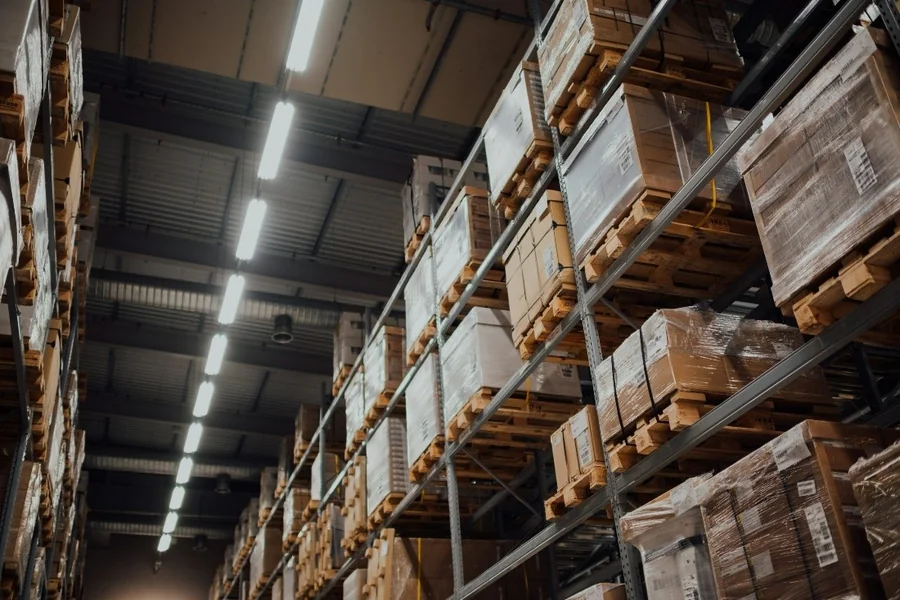
Operations that move heavy freight all day live and die by their throughput numbers. Every minute lost to a stalled lift, a misrouted load, or a clogged dock door eats into margins that were already thin to begin with.
Productivity in these settings is rarely about pushing workers harder. It comes down to better flow, sharper equipment readiness, and smarter use of the space already on hand. The facilities that figure this out tend to outpace the ones still running on habit and hope.
What follows is a practical look at the levers that actually move the needle.
Keeping the Lift Fleet Ready to Roll
A large share of the lifts running on warehouse floors are propane-powered forklifts, and the fuel system on those machines runs through an Impco regulator that controls how the gas reaches the engine. Inside that regulator sits a handful of small wear parts, diaphragms, seats, and gaskets that quietly age out with daily use and eventually start to leak or slip. Once any one of them gives, the lift either runs rough or refuses to fire, and the shift takes the hit while someone tracks down the cause. Crews that keep a rebuild kit on the shelf can refresh those parts in-house during a slow stretch instead of pulling the lift out of rotation for a callout. Click here to find the right aftermarket rebuild kit and place an order.
Designing the Floor for the Way Work Actually Moves
A surprising number of warehouses are laid out around how someone imagined the work would flow rather than how it actually does. Staff end up walking the long way around racks, lifts criss-cross in the same aisle, and staging zones sit too far from the doors they feed. A simple time study, watching where people and machines go over a few shifts, will expose these patterns fast. Once the data is in, the fix is usually some combination of relocating fast-moving stock closer to outbound, widening the busiest aisles, and giving slow movers the deeper corners. The floor starts working with the team rather than against it.
Treating the Receiving Dock as the Pace Setter
Whatever happens at the receiving doors sets the rhythm for the rest of the day. If trailers sit too long, if pallets pile up because nobody is ready to put them away, or if paperwork lags behind the freight, every downstream task gets pushed back. Scheduled arrival windows make a huge difference here, and so does staging a putaway crew that can absorb whatever rolls off the truck without waiting on a supervisor’s nod. A clean handoff between dock workers and putaway drivers, with clear labels and a shared queue, removes the guesswork that usually kills throughput in this part of the building.
Letting the Data Tell You Where to Look
Most warehouse management systems already collect more information than anyone reads. Pick rates per worker, dwell time at each dock, average travel distance per order, and stockout frequency all sit in the system, waiting for someone to ask the right question. A short weekly review of these numbers, even just glancing at the outliers, will usually point to one or two changes that pay off quickly. Maybe a popular item is stored too far from the packing station. Maybe one shift consistently runs faster than another, and the reason is worth copying. The point is to let the numbers guide the next adjustment instead of guessing.
Building Skill Across the Team Rather Than Around It
Productivity drops sharply when only one or two people know how to run a particular machine or process. Vacations, sick days, and turnover then turn into bottlenecks that no amount of planning can absorb. Cross-training spreads the knowledge so any shift can cover any function without missing a beat. It also gives workers a clearer sense of how their job fits into the bigger picture, which tends to lift morale and reduce mistakes. Pair newer staff with veterans for a few weeks, rotate roles every quarter, and keep written guides for the trickier tasks. The team becomes harder to derail.
Putting Maintenance on the Calendar
Reactive repairs are always more expensive than the scheduled kind, both in parts and in lost hours. Conveyors, dock levelers, battery chargers, racking systems, and material handling equipment all wear in predictable ways, and a basic inspection routine catches the small problems before they become floor-wide stoppages. Walk the building with a checklist, log what looks tired, and set a date to address it. The discipline of doing this every week or every month adds up, because the days when something fails without warning become rare instead of routine.
Cutting the Quiet Drags on Throughput
Some productivity losses are loud, like a forklift breakdown in the middle of an aisle. Others are quiet and easy to overlook. A printer that takes too long to spit out shipping labels. A scanner that misreads barcodes and forces a re-entry. Lighting that makes pickers squint at small labels in the back of the rack. Each of these costs only seconds at a time, but multiplied across thousands of transactions a week, the total is meaningful. Walking the floor with the express goal of finding small friction points, then fixing them one at a time, often unlocks more capacity than any flashy software rollout.
Keeping the Conversation Open
Information gaps create work that nobody needed to do. A first shift supervisor who knows that a particular customer is sending a heavy load tomorrow can rearrange the staging area in advance, sparing the second shift a scramble. A picker who flags a slotting problem to the inventory team can save dozens of wasted trips next week. None of this happens without short, regular touchpoints between teams. A ten-minute huddle at shift change, a shared whiteboard near the office, or a quick group message at the end of each day keeps everyone pointed in the same direction.